Table of Contents
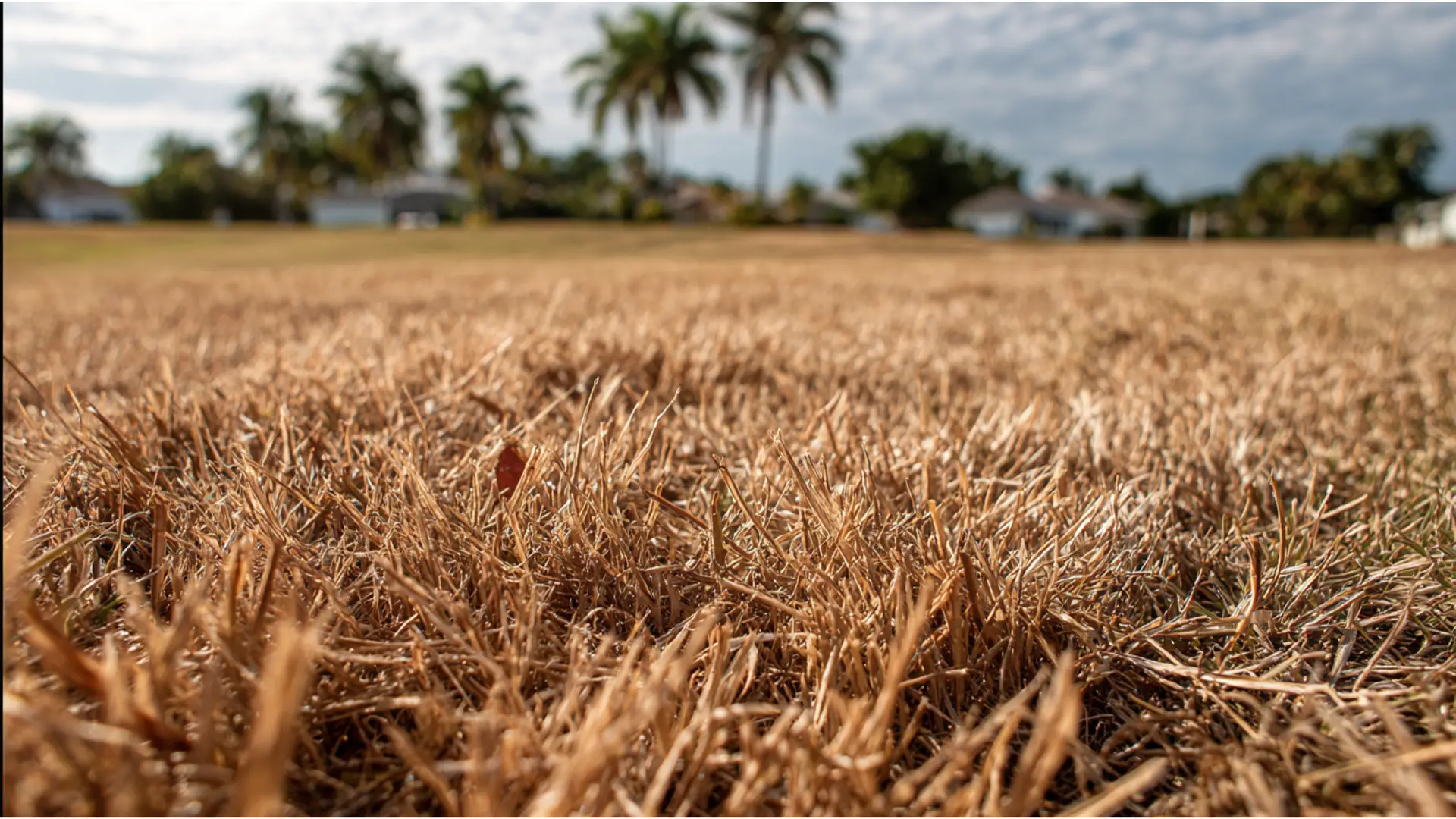
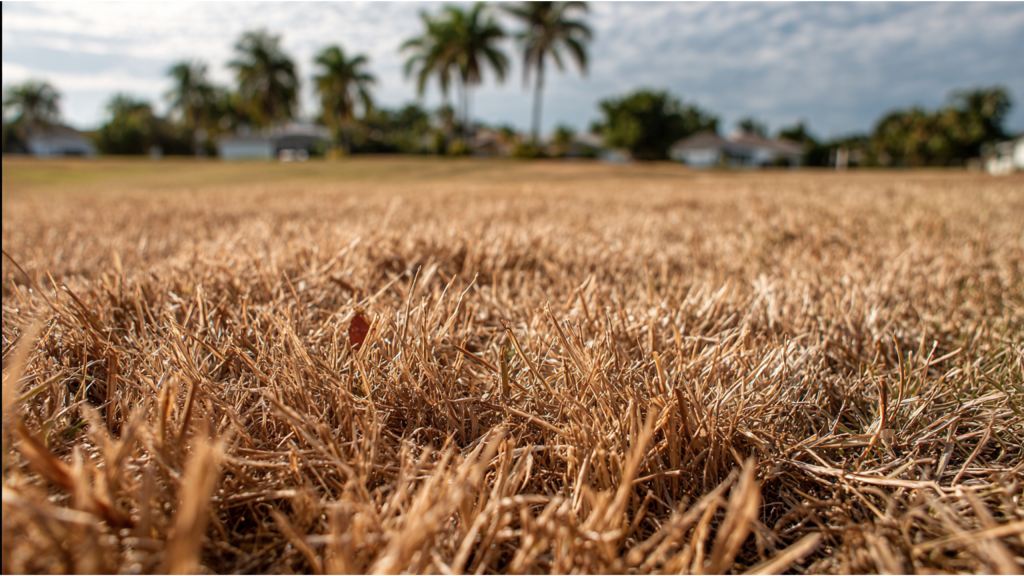
Dormant Lawn season in Venice, FL is basically your grass saying, “I’m not dead, I’m just tired… and it’s sweater weather.” If your St. Augustine, Zoysia, or Bermuda has gone from “lush resort vibes” to “beige cardigan,” you’re not alone. December through February around here is when warm-season turf hits a semi-rest phase—growth slows, color fades, and your lawn becomes a little more sensitive to the stuff we usually ignore when it’s growing like it’s being paid overtime.
The good news? This is the easiest time of year to quietly set yourself up for a spring glow-up—without turning your weekends into a yard-work personality.
Key takeaways (because you’re busy)
- Mow less, cut higher: keep warm-season grass taller to protect roots during chilly nights.
- Water like you mean it, but not often: deep, spaced-out watering beats frequent sprinkling.
- Winter weeds are sneaky: spot them early so they don’t take over while grass is resting.
- Don’t push heavy fertilizer right now: it can wake the lawn up at the worst time.
- Pests don’t fully clock out in SW Florida: watch for patchy spots and weird thinning.
What “dormant” really looks like in Venice (and why it’s not a crisis)
In colder places, lawns go fully asleep and basically ghost you until spring. Here, your grass stays partly active. It’s more like it’s lounging on the couch with a blanket, answering texts slowly, and refusing to do anything extra.
That’s why lawn care in Venice-area winters isn’t about forcing growth. It’s about reducing stress and keeping problems from piling up while the turf is sluggish.
So if your lawn looks a little dull:
- That’s normal.
- It’s not “ruined.”
- You don’t need to panic-buy ten bags of fertilizer like you’re prepping for the apocalypse.
You just need a winter plan that matches Florida reality.
Mowing during a dormant lawn phase: less often, more thoughtful
Winter mowing is the low-maintenance relationship you deserve.
What to do in Venice, FL:
- Mow less frequently: for many yards, once every 3–4 weeks is plenty in December.
- Raise the mowing height: taller grass helps protect the crown and roots during cool snaps.
- Skip mowing when the lawn isn’t growing: cutting stressed grass “just because” is how you get ragged tips and thin patches.
If your mower blade is dull, this is when it turns your lawn into shredded lettuce. Sharpen it now, and spring you will be grateful.
Watering in December: your sprinklers don’t need to work this hard
Winter watering mistakes are common because the lawn looks thirsty when it’s actually just… beige.
Here’s the vibe:
- Water less often—think every 10–14 days if we’re not getting meaningful rain.
- Water deeper, not lighter. Shallow frequent watering invites weak roots and fungus drama.
- Water in the morning, when temps are warmer and blades can dry out during the day.
If you’re someone who likes rules: if the soil is still damp a couple inches down, your lawn is fine. Your sprinklers can calm down.
Get a Greener, Healthier Lawn in Venice, FL!
Trust Waves Pest Control for professional lawn care in Venice, FL. From weed control to fertilization, we help keep your lawn lush, strong, and beautiful year-round—call today or request your free quote online!
Request a QuoteWinter weeds: the freeloaders that move in while your grass naps
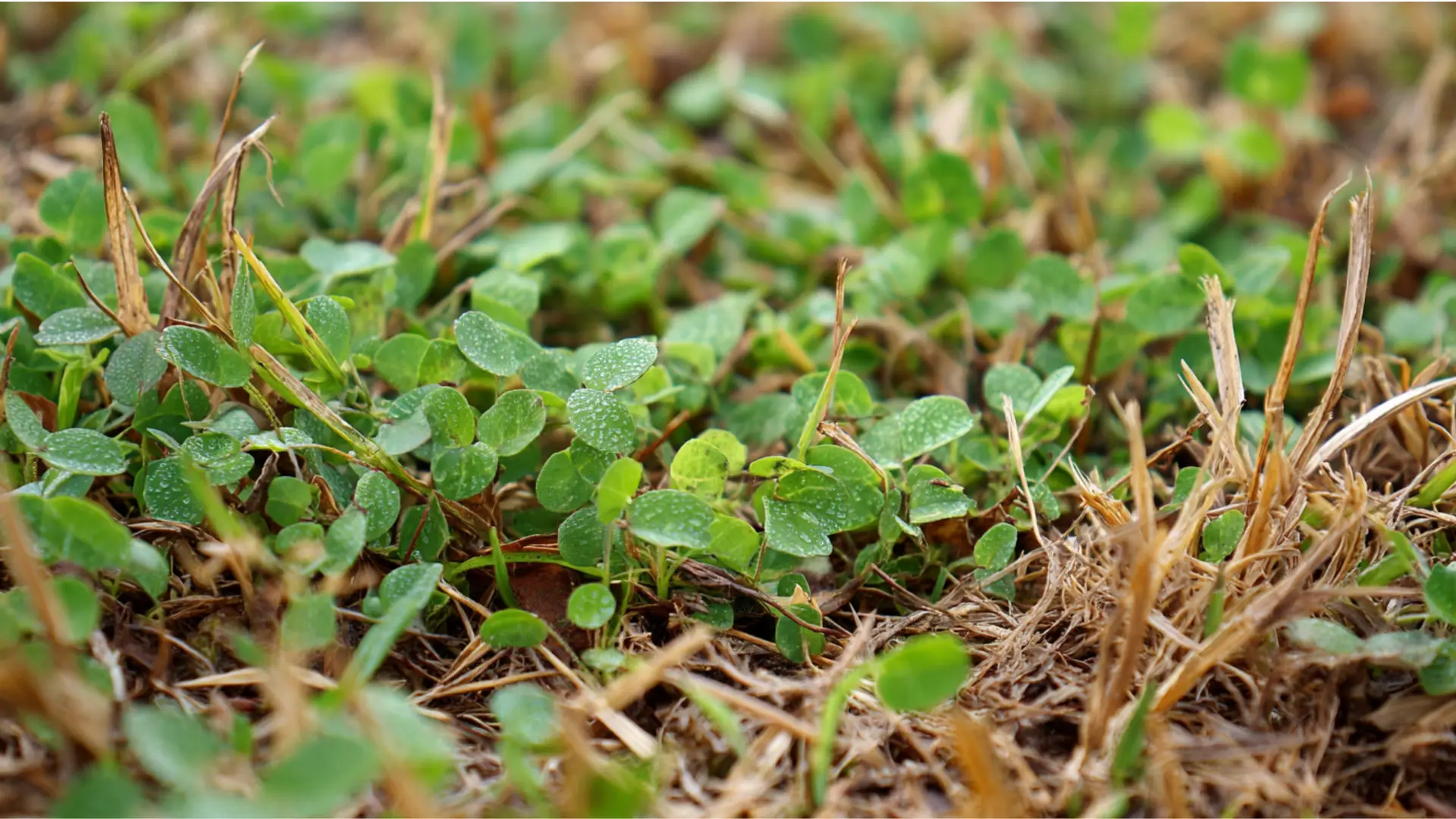
A dormant lawn is slower to crowd out weeds, which is why winter is when little green invaders try to get comfortable.
Common cool-season weeds pop up across Venice and nearby neighborhoods, especially in thin spots along sidewalks, driveways, and areas where the grass struggled in fall.
Your best move:
- Spot-treat early (or hand-pull if it’s manageable).
- Don’t wait for the “small patch” to become a whole personality.
If you’ve ever dealt with those painful burr-producing weeds in spring, you already know: winter is when you stop that mess before it starts.
Fertilizer in December: the “just because you can doesn’t mean you should” category
If your lawn is semi-dormant, it’s not in a big nutrient-building phase. Pushing lots of nitrogen can:
- trigger tender growth that doesn’t love cold nights,
- increase fungus risk,
- waste product because the grass isn’t using it like it would in spring.
If you’re itching to do something, focus on:
- cleanup
- mower prep
- irrigation adjustments
- weed prevention
- and a watchful eye for pests
Spring feeding hits different when the grass is actually ready.
Cleanup and traffic: treat your lawn like it bruises easily (because it kind of does)
In winter, grass blades are more fragile. Foot traffic, heavy play, and rolling trash bins across the same path can leave marks that hang around longer than you’d expect.
Do this instead:
- clear branches and leaf piles so moisture doesn’t sit and invite fungus,
- avoid letting leaves mat down in corners and shady areas,
- vary foot paths if your yard gets regular use.
This is also a smart month to look at drainage. If a spot stays soggy, it’s basically an open invitation for weeds and disease.
Pests and fungus: yes, they’re still here
Southwest Florida doesn’t have the kind of winter that wipes pests out. They slow down, sure. But they don’t disappear.
Keep an eye out for:
- irregular brown patches that expand,
- thinning areas that feel spongy or look chewed,
- weird circles or “stained” areas that suggest fungal issues.
If your lawn has a history of winter fungus, it’s worth taking it seriously early—especially if you’ve been watering too often or the lawn stays damp overnight.
And since you’re working with Waves Pest Control, this is a natural moment to connect the dots: a healthier dormant lawn is part lawn care, part pest prevention, part “let’s not create a buffet out of my yard.”
A simple December checklist for Venice, FL lawns
If you only do a few things this month, make them these:
- Raise mowing height and cut less often
- Adjust irrigation down (seriously, down)
- Remove debris and keep airflow open
- Watch for winter weeds and hit them early
- Keep an eye on patchy spots that hint at pests or fungus
Small moves now = less chaos when spring shows up.
Frequently Asked Questions (FAQs)
What does a dormant lawn look like in Venice, Florida?
A dormant lawn here usually looks slower-growing with faded color—often tan or light brown in patches—while still staying partly alive. Warm-season grasses in Venice typically rest through December into February, then rebound as temps rise.
Should I fertilize my lawn in December in Venice, FL?
Most lawns don’t need heavy fertilizing in December. Forcing growth during a semi-dormant phase can lead to disease issues and weak growth. A better plan is to wait until your lawn clearly starts greening up in late winter or early spring.
How often should I water during dormant lawn season?
In December, many Venice lawns do well with deep watering about every 10–14 days when rainfall is low. Overwatering is a common problem in winter and can trigger fungus.
Is it normal for St. Augustine grass to turn brown in winter?
Yes. St. Augustine often loses color during cooler weather, especially in shaded or damp areas. It usually greens back up once temperatures consistently warm.
What weeds show up during winter lawn care in Venice areas?
Cool-season weeds tend to appear while warm-season turf slows down. The exact mix varies by yard conditions, but thin spots and moist areas are the most common trouble zones.
Can pests still damage lawns in winter in Venice, FL?
Yes. Mild winters mean some lawn pests stay active at lower levels. If you notice thinning, irregular patches, or turf that pulls up easily, it’s worth checking sooner rather than later.