Table of Contents
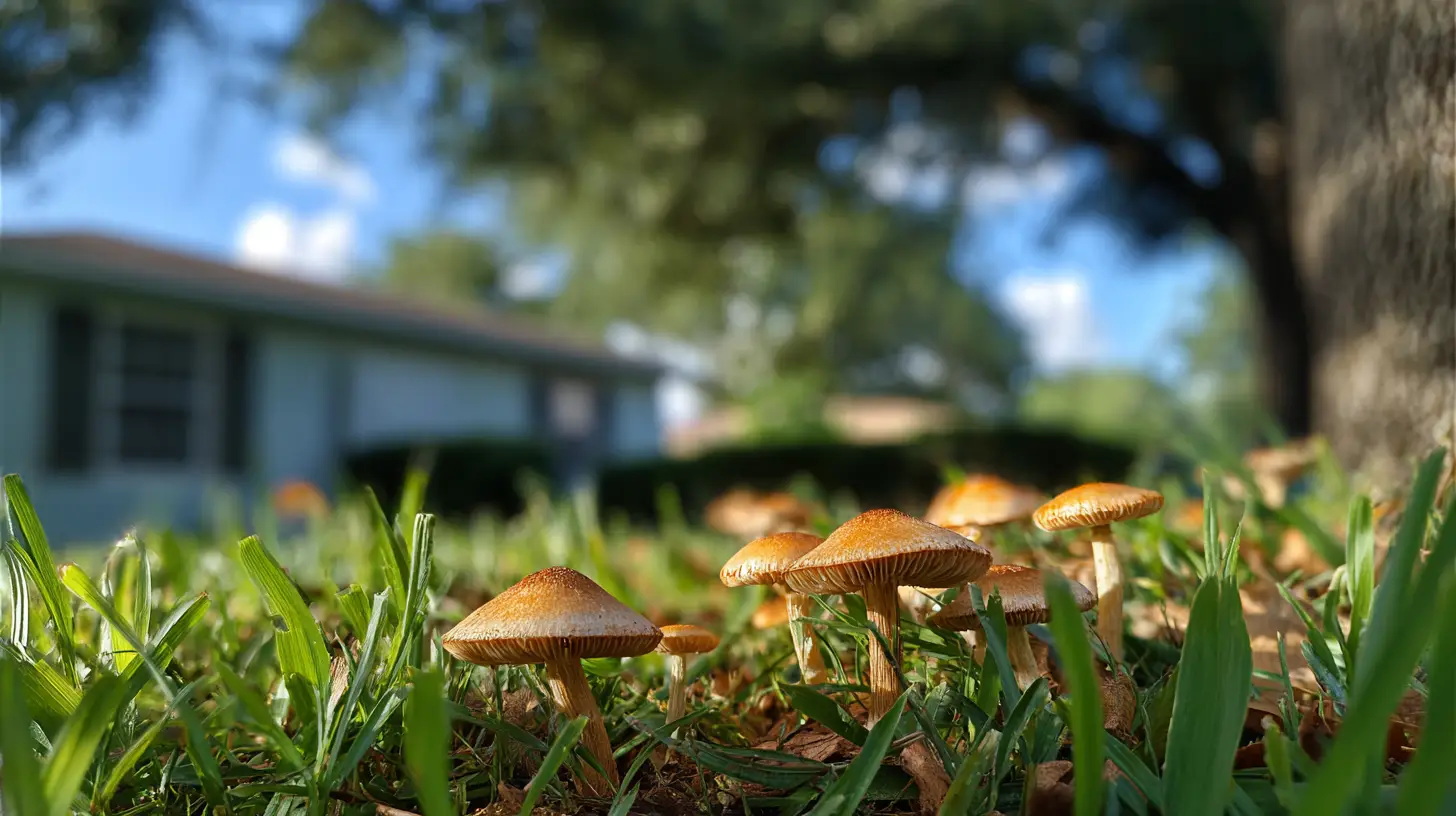
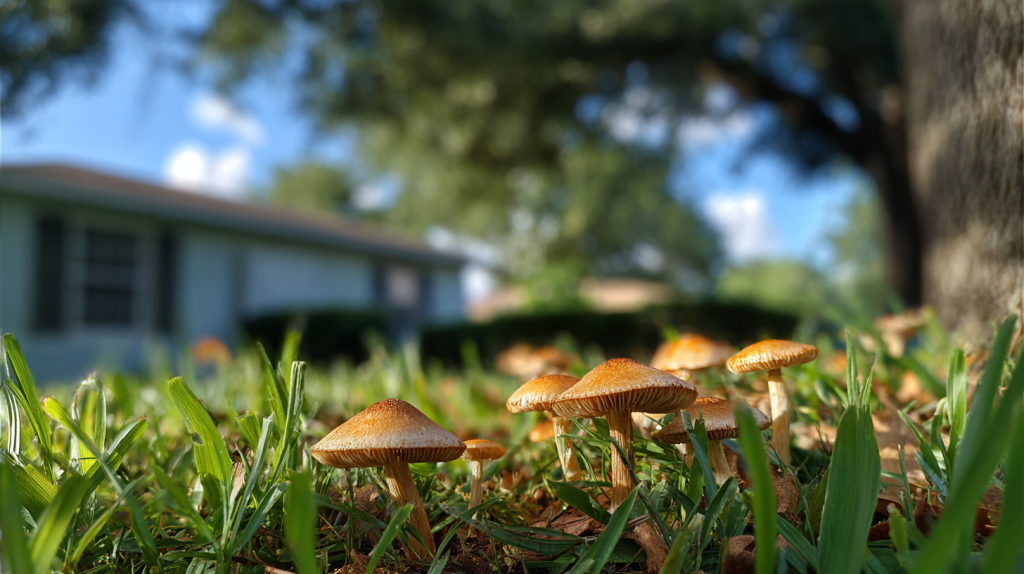
Mushrooms popping up all over your Venice, FL lawn can make you feel like your yard is staging a weird little protest. One day it’s just grass and mulch, the next it looks like a fairy ring convention—and of course the dog and kids suddenly want to investigate every single one.
Here’s the good news: most of the time, those mushrooms are a symptom, not a disaster. They’re telling you a story about moisture, buried junk in the soil, and how your lawn care in Venice is working behind the scenes.
Let’s walk through what’s really going on and what actually helps.
Key Takeaways
- Mushrooms show up where soil is warm, damp, and full of decaying organic material
- Venice’s rain, humidity, and sandy soils give fungi everything they need
- Overwatering, thick mulch, and old tree roots are some of the biggest triggers
- Most mushrooms don’t hurt the grass but can be risky for kids and pets if eaten
- Smart lawn care in Venice (watering schedule, thatch control, mulch choices) cuts down future outbreaks
- Sprays and fungicides rarely “fix” mushrooms long-term—the real progress comes from changing conditions
- A local pro like Waves Pest Control can help if mushrooms keep coming back or show up near trees and stumps
Why Mushrooms Love Venice, FL Lawns
Venice is basically a spa day for fungi. Warm temperatures, Gulf moisture in the air, and those classic afternoon storms mean your yard spends a lot of time damp. That’s perfect mushroom weather.
Under the grass, you’ve got a whole underground network of fungus called mycelium. You don’t see it most of the time. You see the mushrooms when that network decides conditions are good enough to send “fruit” to the surface.
That tends to happen when:
- The soil stays damp for a day or two
- The air stays warm and sticky
- There’s plenty of dead stuff to eat underground
If your yard feels like a sauna after a storm, the fungi feel right at home.
What Mushrooms Are Actually Growing On
Mushrooms don’t grow “from nowhere.” They grow from something. In Venice, that “something” is usually one of these:
1. Old Tree Roots and Buried Wood
Think back: did you have a tree removed? A stump ground down? New construction? A yard that used to be wooded?
Under that pretty green grass, there may still be:
- Old roots slowly rotting
- Leftover stump chunks
- Buried construction wood or form boards
- Wood chips tilled into the soil when the yard was graded
Fungi move into that buried buffet and dig in. When moisture and temperature line up, up come the mushrooms—often in rings or clusters that pop up in the exact same spot year after year.
2. Mulch Beds and Bedding Areas
Those neat mulch rings around your palms and hibiscus? Mushrooms love them.
Common mulch issues in Venice:
- Wood-based mulches (fresh hardwood, mixed shredded mulch) break down fast
- Deep mulch layers (over about 3 inches) hold moisture like a sponge
- Shady beds stay wet days longer than sunny parts of the yard
Result: stinkhorns in the mulch, clumps of little brown caps, bird’s nest fungi, puffballs—the whole cast.
3. Thatch and Grass Clippings
Venice lawns, especially St. Augustine, can build a thick layer of thatch—that spongy stuff between the green blades and the soil.
Add in:
- Grass clippings left in heavy piles
- Leaf bits chopped by the mower and left behind
- Pet waste that doesn’t get picked up regularly
All of that becomes fungal food. When that layer stays damp, mushrooms push through the grass blades like they pay rent there.
Get a Greener, Healthier Lawn in Venice, FL!
Trust Waves Pest Control for professional lawn care in Venice, FL. From weed control to fertilization, we help keep your lawn lush, strong, and beautiful year-round—call today or request your free quote online!
Request a QuoteWhy Mushrooms Show Up Right After Rain (or Sprinklers)
You’ll notice a pattern: heavy rain one day, mushrooms the next morning.
Here’s why:
- The underground fungus is already there, waiting
- A good soaking wakes it up
- Warm, humid evenings give it time to grow
- By sunrise, you suddenly have 10–50 mushrooms saying “hi”
The same thing happens with irrigation that runs too often. Daily watering, or sprinklers set for long cycles in shady areas, creates the same effect as a storm—just in slow motion.
For lawn care in Venice, the watering schedule alone can mean the difference between “occasional mushroom” and “why does my yard look like a fairy tale gone wrong?”
Are Mushrooms Dangerous?
Short answer: they can be.
Many yard mushrooms are harmless to the grass and only mildly annoying to you. But here’s where it gets serious:
- Some species can cause strong stomach upset if eaten
- Dogs like to sniff, lick, and chew random things in the yard
- Curious toddlers think anything small and weird is a snack
You don’t need to panic every time one pops up, but you don’t want kids or pets testing species for you.
When in doubt: don’t let anyone eat mushrooms from your yard.
If a child or pet manages to sneak one:
- Save a sample in a paper bag
- Take a picture
- Call your vet, doctor, or Poison Control right away
How Smart Lawn Care in Venice Cuts Down Mushrooms
You can’t create a fungus-free yard in Venice. The climate doesn’t work that way. You can make your yard less welcoming to big, frequent mushroom outbreaks.
Think of it like this: you’re not fighting mushrooms; you’re changing the conditions that help them show up.
1. Fix the Watering Routine
Most lawns here get too much water, not too little.
Try this:
- Water deeply but less often instead of a quick sprinkle every day
- Aim for early morning so the grass dries out by evening
- Turn off or adjust irrigation after heavy rain
- Check for zones that stay soggy or have standing water
If your lawn squishes when you walk on it, mushrooms are not far behind.
2. Help the Soil Drain and Breathe
Sandy soil in Venice drains fast on its own, but certain things get in the way:
- Compacted areas from foot traffic or heavy equipment
- Thick thatch layers under the grass
- Low spots where water gathers
Helpful steps:
- Aerate compacted areas so water moves down instead of sitting at the surface
- Dethatch if the lawn feels spongy
- Fill in low areas where water puddles
None of this is glamorous, but it quietly shifts your yard from “always damp” to “wet, then dry again,” which mushrooms like a lot less.
3. Clean Up the Fungal Buffet
Fungi are basically the clean-up crew of your yard. Take away the mess, and they have less to feed on.
Focus on:
- Raking up layers of fallen leaves instead of letting them sit
- Breaking up heavy clumps of grass clippings or bagging them during problem times
- Picking up pet waste regularly
- Removing old logs, buried boards, or obvious wood chunks in the soil
If mushrooms keep appearing in one particular spot, that’s your clue something tasty is buried there.
4. Adjust Mulch Habits
Mulch isn’t the enemy, but it needs boundaries.
Healthier habits for Venice beds:
- Keep mulch to about 2–3 inches instead of thick mounds
- Rake or “fluff” it once in a while so it doesn’t stay matted and soggy
- Let beds dry between watering instead of soaking them daily
- Consider rock or shell in areas where mushrooms are constant and driving you nuts
If you’re constantly seeing stinkhorns and clusters after every storm, fresh wood-heavy mulch might be part of the story.
What To Do When Mushrooms Show Up
When mushrooms actually appear, here’s how to handle them without turning it into a full-time job.
Step 1: Remove Them Safely
- Put on gloves or use a plastic bag over your hand
- Twist or pull mushrooms up from the base
- Toss them straight into a trash bag
- Tie the bag and put it in the garbage (not the compost)
Fast removal keeps them from spreading more spores and keeps kids and pets from taste-testing them.
Step 2: For Widespread Mushrooms in the Lawn
If they’re everywhere and you don’t have time to hand-pick:
- Mow with a bagger attachment
- Dump the bag into the trash, not back on the lawn
- Rinse off the mower deck afterward so bits and spores don’t hitch a ride all over the yard
Mowing doesn’t fix the fungus underground, but it does clean up the visible part quickly.
Step 3: Tackle Repeat Hotspots
If the same ring or patch pops up every rainy stretch:
- That spot probably has buried roots, stump remains, or wood chunks
- For small areas, digging down to remove the decaying material can help
- For big areas or deeper stumps, this is where calling a pro starts to make sense
You don’t need to dig up the whole lawn—just focus on the repeat offenders.
Do Fungicides Help With Mushrooms?
This is the part nobody loves hearing: most sprays don’t do what people hope.
Fungicides sold for lawns are usually designed for turf diseases, not every random mushroom that shows up. Even stronger professional products have limits with yard mushrooms.
A few points to keep in mind:
- Sprays might knock back some fungal activity, but they rarely wipe it out
- The fungus can go deeper into the soil, out of reach
- If old roots, mulch, and moisture stay the same, the mushrooms tend to come back
- Fungicides also affect helpful fungi that support healthy soil
In many Venice yards, the smarter route is: change the conditions first, treat only if there’s a specific problem that calls for it.
If someone is recommending lots of chemicals while ignoring overwatering, buried wood, or dense thatch, that plan probably won’t give the long-term change you’re hoping for.
Frequently Asked Questions (FAQs)
Are mushrooms in my Venice, FL lawn dangerous?
They can be. Many yard mushrooms don’t hurt the grass, but some can make people or pets sick if eaten. Since they’re hard to identify correctly without training, treat all unknown mushrooms as off-limits for snacking. Remove them quickly if kids or pets use the yard.
Will mushrooms kill my grass?
Most of the time, no. Mushrooms are usually feeding on dead material—old roots, buried wood, thatch, mulch. They rarely attack healthy turf directly. The real problem is the conditions they point to: constant moisture, thick thatch, or buried debris. Fix those, and the grass usually does better too.
Can I just mow mushrooms and ignore them?
You can, but use a bagger and clean up afterward. Mowing without a bag chops mushrooms into pieces and spreads them around the yard. It keeps the lawn looking tidy for the moment but gives spores a free ride. If pets or kids are around, hand-picking returns a cleaner, safer result.
Should I worry about mushrooms growing near trees?
If mushrooms pop up right at the base of a tree or stump, especially in clusters, that’s worth a closer look. It can signal root decay or a fungus feeding on the wood. That doesn’t always mean the tree is about to fail, but ignoring it isn’t a great plan either. A check from a local expert or arborist helps you know what you’re dealing with.