Table of Contents
Shrub diseases are like the mystery flu your kids bring home from school—suddenly everyone in the yard looks tired, spotty, and ready to give up. And if you live in Sarasota, FL, where the humidity is high and the soil likes to do its own thing, your shrubs don’t just get sick… they can crash fast.
Before you panic-Google “Why is everything in my yard dying,” take a breath. With the right tree and shrub care in Sarasota, a lot of these problems are fixable—or at least manageable—once you know what you’re looking at.
Key takeaways
- Florida humidity = fungus and pests on overdrive. Many shrub diseases here are tied to moisture, heat, and poor airflow.
- Our soils are tricky. Alkaline, sandy soil around Sarasota and Venice often leads to nutrient problems, especially for hibiscus, gardenia, and ixora.
- Bugs and diseases love stressed plants. Overwatering, underwatering, or bad planting spots make shrubs an easy target.
- Some problems are treatable, some are not. Oleander leaf scorch? Game over. Leaf spots and common pests? Often very fixable.
- You don’t have to manage it alone. Professional tree and shrub care in Sarasota (hi, that’s Waves Pest Control) can help you figure out what’s eating, sucking, or rotting your plants—and what to do next.
Common shrubs in Sarasota & what’s really going on with them
Shrubs in Sarasota have a way of looking amazing… right up until they don’t. One week everything is green and blooming, and the next you’ve got yellow leaves, black spots, sticky patios, and branches that look like they gave up on life. Thanks to our heat, humidity, sandy soil, and surprise cold snaps, shrubs here live life on hard mode—and when something goes wrong, it tends to go wrong fast.
This guide breaks down the most common shrubs you’ll find in Sarasota neighborhoods and what’s really happening when they start to struggle. From dramatic hibiscus and fussy gardenias to oleander that can quietly be on its way out, we’ll cover what the symptoms mean, what’s fixable, what’s not, and when it’s time to call in professional tree and shrub care in Sarasota (yep, that’s us—Waves Pest Control). Because your weekends are better spent enjoying your yard, not diagnosing it.
Hibiscus: Drama queen of the front yard
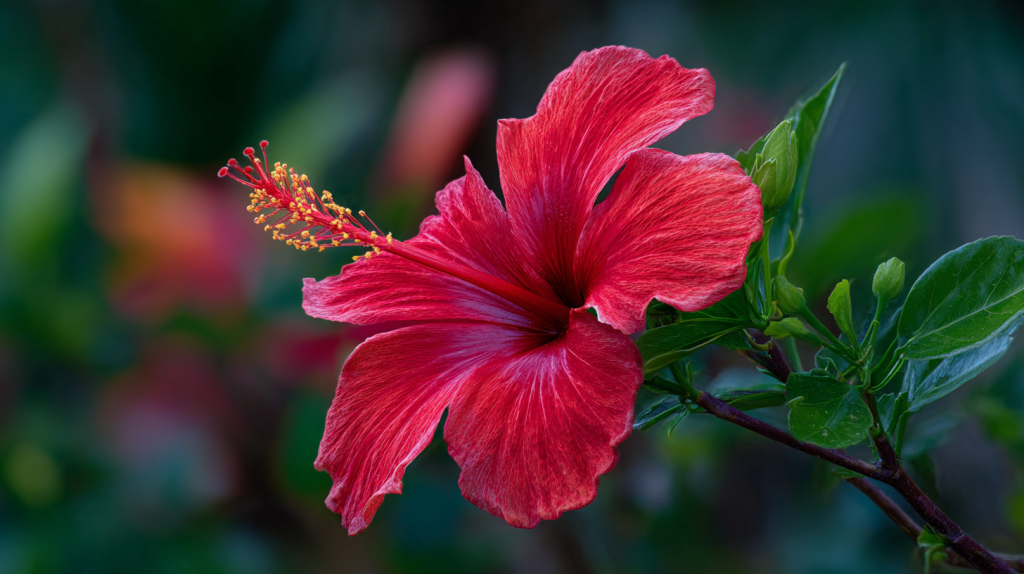
Bright flowers, tropical vibes… and the emotional stability of a toddler who missed nap time.
What you might see:
- Yellow leaves dropping all over your mulch
- Buds that plump up, then fall off before blooming
- Sticky leaves with a black, soot-like coating
- Stunted growth or bare stems
What’s usually wrong:
- Nutrient issues. Hibiscus like slightly acidic soil and plenty of food. Our shell-heavy, alkaline soil can lock up iron and manganese, which turns leaves yellow. Too much nitrogen? That can make buds drop.
- Sap-sucking insects. Aphids, mealybugs, whiteflies, and thrips love hibiscus. They curl leaves, stunt growth, and leave sticky honeydew that grows into black sooty mold.
- Bud pests. Tiny insects like hibiscus bud midge and bud weevils lay eggs inside buds, so they fall before opening.
- Root stress. Nematodes in sandy soil or soggy roots from poor drainage can wreck the root system.
- Cold snaps. One “chilly” Gulf Coast night and hibiscus can sulk and drop leaves.
How to help:
- Choose fertilizers labeled for acid-loving plants and skip the heavy nitrogen blasts.
- Water consistently, but don’t let roots sit in a swamp.
- Check buds and leaves regularly—if you see sticky residue, black mold, or tiny insects, it’s pest time.
- Prune off infested buds and leaves and toss them in the trash, not the compost.
- For stubborn infestations, Waves Pest Control can treat sap-feeding insects while helping protect beneficial bugs in your yard.
Oleander: Beautiful, tough… and sometimes doomed
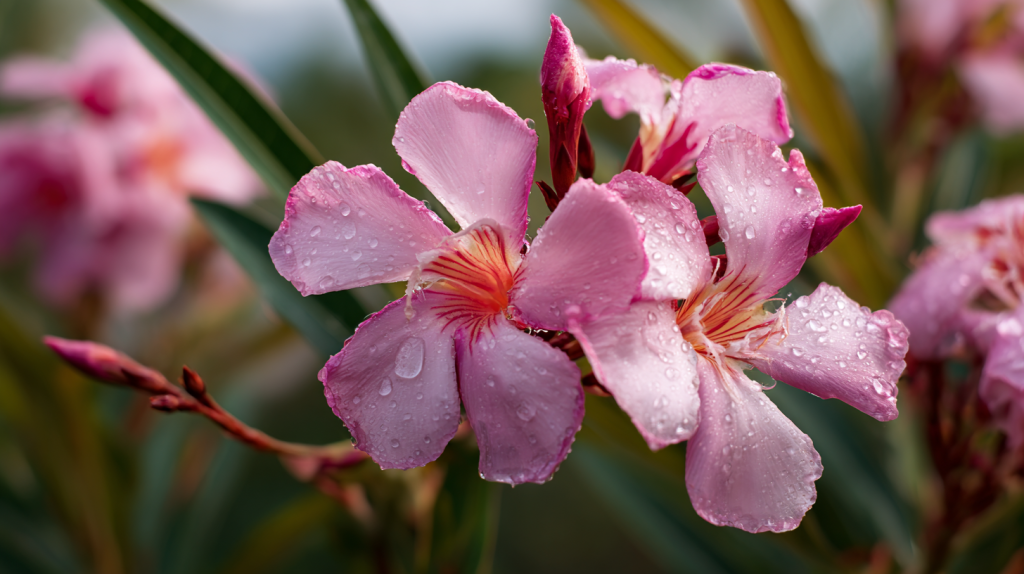
Oleander in Sarasota looks indestructible—big, lush, flowering hedges that laugh at heat and salt spray. Until one day a branch starts to scorch and doesn’t bounce back.
Important: All parts of oleander are toxic if eaten. Treat it like you would laundry pods with toddlers—pretty, but hands off.
What you might see:
- Leaf edges turning yellow, then brown, like they’ve been scorched
- Random branches dying back
- Strange, broom-like clumps of shoots
- Bright orange caterpillars demolishing leaves
- Sooty mold and little bumps or clusters on stems and leaves
Top problems:
- Oleander leaf scorch (OLS). A bacterial disease spread by tiny leafhoppers. It usually starts on one branch and slowly moves through the plant. Once it sets in, the plant typically dies within a few years and there’s no cure.
- Oleander caterpillars. Bright orange, hairy caterpillars that can strip a plant almost bare in days.
- Scale insects & aphids. These suck sap, cause yellowing, and coat everything with honeydew and sooty mold.
- Fungal galls. Weird swollen areas and “witches’ broom” growth from fungal infection.
- Cold damage. Rare here, but possible. Leaves may brown and drop after a cold snap.

Enhance & Protect Your Sarasota Trees & Shrubs!
Rely on Waves Pest Control for expert tree and shrub care in Sarasota, FL. Keep your landscape vibrant, healthy, and protected from damaging insects and diseases—call today or request your free quote online!
Request a QuoteWhat you can do:
- If one branch has dried, scorched leaves but no insects, OLS is a suspect. Prune well below the symptoms—and be ready for the possibility that the entire plant will need to come out later.
- For oleander caterpillars, pruning off infested foliage or hand-picking them works surprisingly well, especially early.
- Scales and aphids often respond to horticultural oils and careful pest management from a pro.
- Always wear gloves when pruning and throw away clippings.
When oleander diseases or pests spread across several plants, professional help is worth it—especially near walkways, pools, and kids’ play areas.
Indian hawthorn: Cute, compact, and spotty
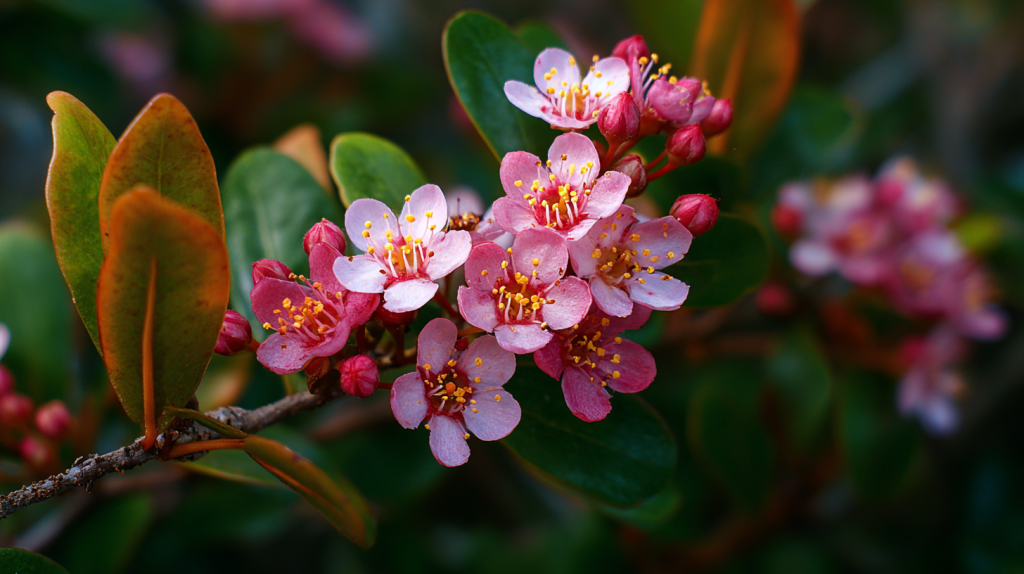
Indian hawthorn is the “low-maintenance hedge” everyone was promised… until the leaves start looking like they have chicken pox.
Signs of trouble:
- Small red spots on leaves that spread and turn gray in the middle
- Leaves dropping, branches going bare
- Black sooty mold on top of the leaves
- Shrubs that used to look full now look patchy and sad
Likely causes:
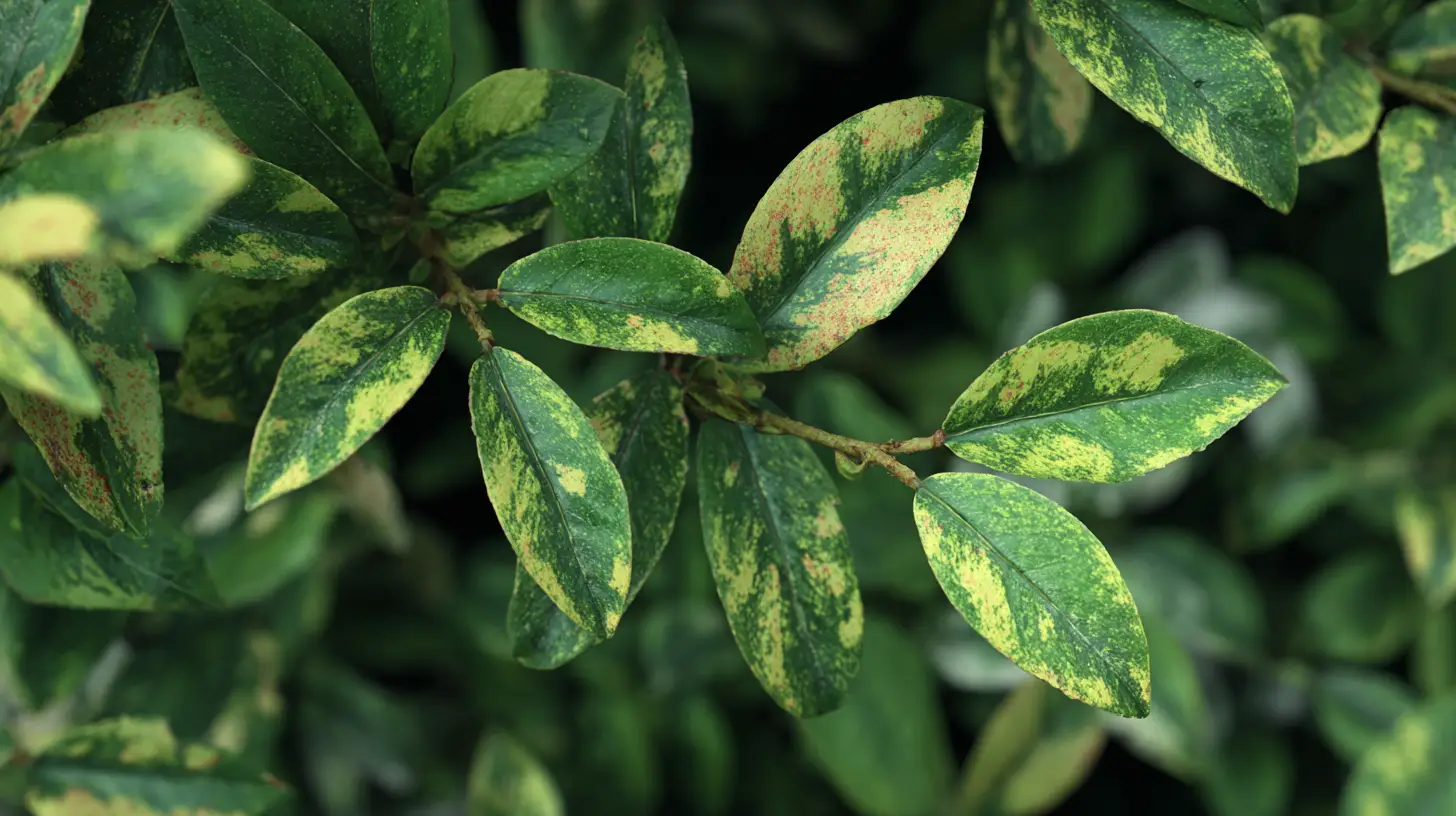
- Entomosporium leaf spot. The big one for Indian hawthorn. Warm, wet weather plus poor airflow allows this fungus to defoliate plants.
- Scale insects & other sap-feeders. They create honeydew that grows into sooty mold.
- Too much shade or constantly wet leaves. Slow-drying foliage is fungus heaven.
Helpful habits:
- Look for tiny red spots on young leaves early—catching it at the “freckle” stage is much easier than when half the plant is bare.
- Rake up fallen leaves and toss them, don’t leave them under the plant.
- Space shrubs so air can move between them, and avoid constant overhead watering.
- If a plant is mostly sticks and spots, replacing it with a more resistant variety may be smarter than trying to save it.
If you see both spots and sticky mold, that’s a good time to bring in Waves Pest Control to tackle the insect side, then you can work on air flow and watering habits.
Gardenia: Smells amazing, acts fussy
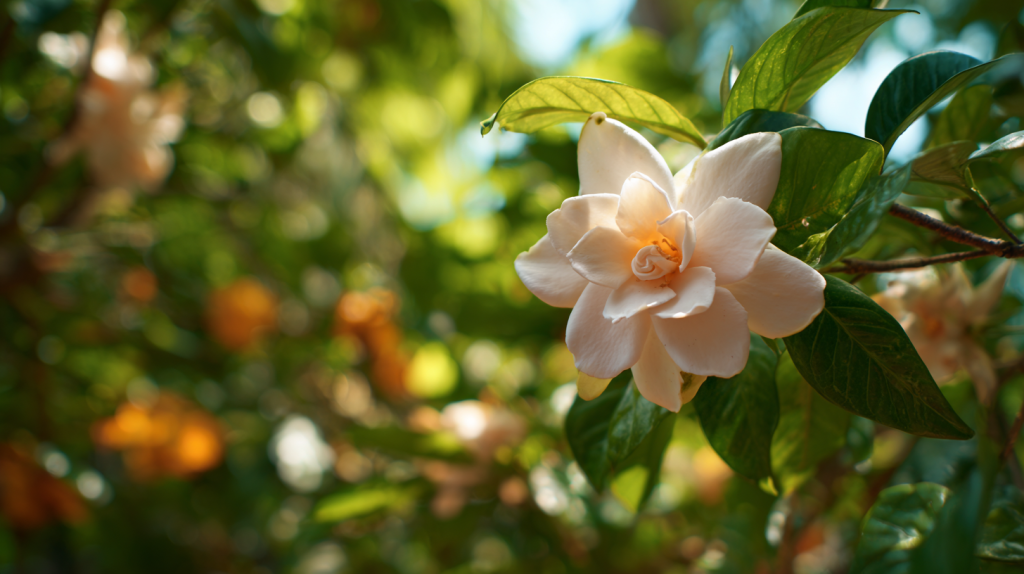
If shrubs had a “high-maintenance diva” award, gardenia would win every year. Gorgeous fragrance, gorgeous blooms… and absolutely no tolerance for being ignored.
What you might notice:
- Yellow leaves with green veins, especially on new growth
- Black sooty coating on leaves and stems
- White, cottony clumps or bumps on stems and leaf undersides
- Buds dropping instead of opening
- Wilting even when the soil looks moist
What’s behind it:
- Sap-sucking pests. Whiteflies, aphids, mealybugs, and scale are frequent visitors. They weaken the plant and cause sooty mold.
- Nutrient deficiencies. Gardenias want acidic soil. In Sarasota’s alkaline or sandy spots, iron and magnesium can be hard for them to absorb, leading to that classic yellow-with-green-veins look.
- Root-knot nematodes. Tiny worms that attack roots in sandy soil, causing slow decline.
- Fungal issues. Powdery mildew or leaf spots can tag along in humid areas with poor airflow or deep shade.
What helps gardenia behave:
- Plant in rich, well-drained soil—raised beds or large containers can work well here along the Gulf Coast.
- Use fertilizers and amendments made for azaleas and gardenias to keep the soil slightly acidic.
- Inspect leaves regularly. Sticky residue, black film, or cottony clusters mean it’s pest time.
- Knock pests off with water, then use soaps or oils… or call Waves Pest Control to handle more stubborn populations.
- For severe nematode issues, moving the plant to a container with clean potting mix may give it a new life.
Croton: The colorful one that drops all its leaves
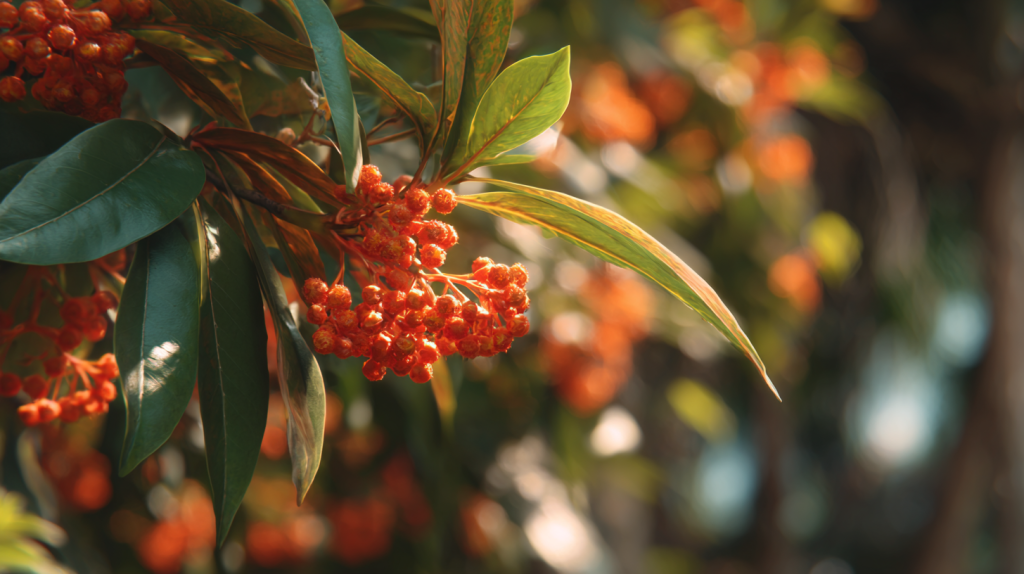
Crotons bring serious color—yellows, oranges, reds—and equally serious drama when they’re unhappy.
What you might see:
- Sudden leaf drop, especially lower leaves
- Dull colors instead of bright, bold patterns
- Black spots, sticky leaves, or sooty mold
- Leaves burned or falling off after a cold night
Main culprits:
- Scale, mealybugs, spider mites, thrips. While crotons are relatively tough, they’re not invincible. Sticky leaves or black mold often point to scale or mealybugs. Fine speckling and webbing point to mites.
- Leaf spot fungi. Black or brown spots show up during warm, wet weather.
- Cold damage. One brush with near-freezing temps and croton can drop foliage like crazy.
- Water stress or poor drainage. Constantly soggy or bone-dry soil can both cause leaf drop.
How to help:
- Inspect stems and leaf undersides for bumps (scale) or fuzz (mealybugs).
- Wipe off pests where you can and treat with horticultural oils or soaps if needed.
- Give crotons a bright spot with some protection from winter winds.
- After a cold snap, wait to prune until you see where new growth emerges—many “dead-looking” crotons bounce back.
If pests keep rebounding or you’re seeing sticky decks or patios below them, call in professional treatment so you can keep the color without the mess.
Ixora: The “why is this so yellow?” shrub
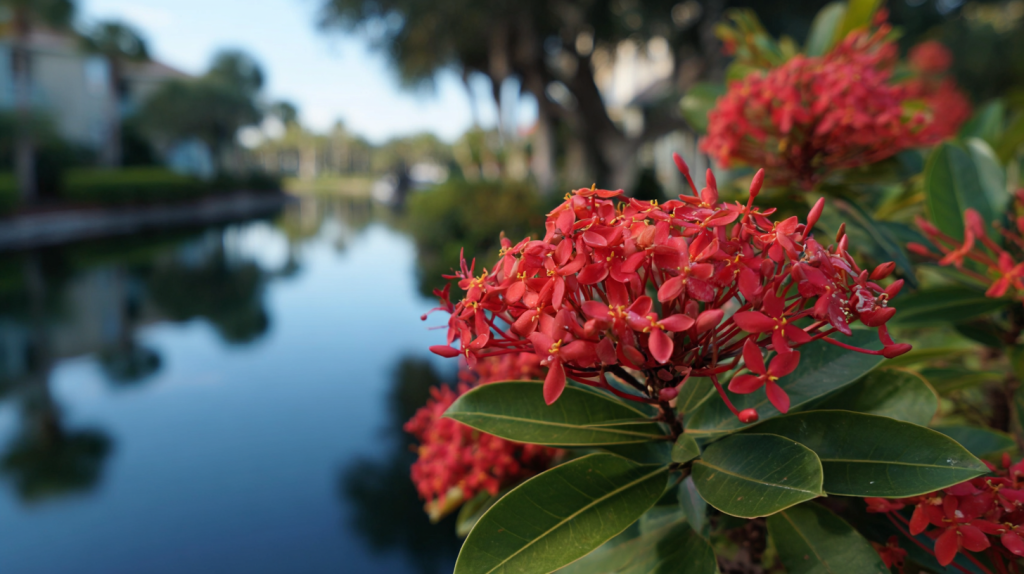
Ixora should be covered in bright clusters of flowers year-round here. Instead, many Sarasota homeowners end up with pale, chlorotic shrubs that look tired and don’t bloom much.
What you’ll notice:
- New leaves turning pale or yellow with darker green veins
- Red, purple, or brown spots on leaves
- Brown edges on already yellow leaves
- Sparse growth and fewer flowers
Main issues:
- Nutrient deficiency from high pH. Ixora need acidic soil. In much of Sarasota and Venice, soil and irrigation water lean alkaline, which blocks iron and manganese.
- Nematodes. Damaged roots struggle to take up nutrients, so the plant never looks fully healthy.
- Leaf spots. Some related to nutrition, some fungal, especially when foliage stays wet.
- Cold sensitivity. A brush with cold can burn foliage and slow recovery.
Helpful fixes:
- Test soil pH or assume it’s on the high side and treat ixora like an acid-loving shrub.
- Use fertilizers and micronutrient products made for azaleas/gardenias/ixora.
- Add organic matter and consider raised beds or containers if your soil is very sandy or nematode-prone.
- Prune off the worst leaves so new growth can shine.
When pests like aphids or scale join the party, Waves Pest Control can step in so your nutrient work isn’t constantly undone by bugs.
Podocarpus: The “good hedge” that suddenly browns out
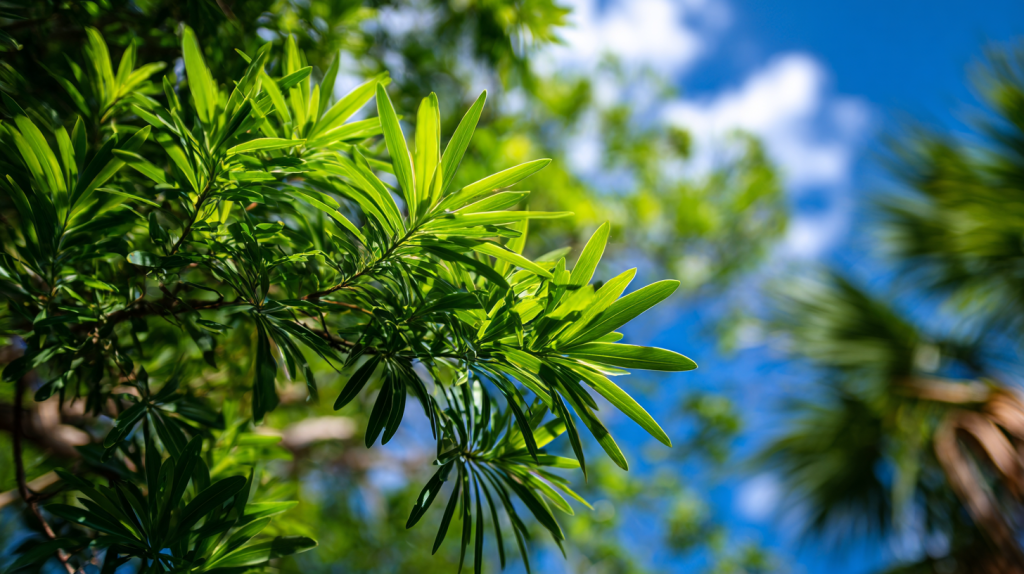
Podocarpus is a favorite for clean, formal hedges along Sarasota driveways and property lines. Most of the time it behaves… until random branches start turning brown.
What you might see:
- Brown or yellow shoot tips, especially after a flush of new growth
- Whole sections of the hedge thinning out
- Leaves with yellow speckling or black sooty mold
- Plants that look wilty even when watered
Likely causes:
- Twig blight / dieback. Fungi can move in through wounds or stressed tissue, causing tip dieback here and there.
- Root rot. Poor drainage and too much water can rot roots, especially in low spots.
- Fusarium wilt (less common). One side of a plant may wilt and brown.
- Scale insects or mites. They create speckled foliage, sticky leaves, and sooty mold.
What helps:
- Avoid planting podocarpus in spots that stay soggy after rains.
- Water deeply but let soil dry a bit between waterings.
- Prune out dead tips several inches below the damaged area and throw away clippings.
- Check for scale and other pests if you see sooty mold or yellow speckling.
For long hedges, problems can spread quickly, so pro-level tree and shrub care in Sarasota can save you from replacing an entire line of podocarpus later.
You don’t need to be a plant detective on your weekends. Reach out for help when:
- You’ve tried adjusting water and fertilizer and things still look bad
- You see sticky residue, black mold, or obvious insects
- A hedge or group of shrubs is declining in several spots, not just one plant
- You’re worried about toxins (like oleander) around kids or pets
- You just want someone else to deal with the bugs while you handle the fun parts of your yard
Waves Pest Control can build a tree and shrub care plan tailored to Sarasota conditions—heat, humidity, weird soil and all.
Frequently Asked Questions (FAQs)
How do I know if my shrub has a disease or just needs fertilizer?
Great question, because they can look similar. Nutrient problems often show as overall yellowing or pale leaves, sometimes with green veins, but the plant may still hold most of its foliage. Diseases usually bring spots, blotches, wilting, dieback, or random branches failing, sometimes very quickly. If you’re seeing spots, black mold, sudden branch death, or sticky leaves, you’re likely dealing with pests and disease, not just a hungry plant.
What are the most common shrub diseases in Sarasota yards?
Some of the big ones we see include:
– Entomosporium leaf spot on Indian hawthorn
– Various leaf spot issues on hibiscus, ixora, and croton
– Oleander leaf scorch on oleander
– Dieback and root rot issues on podocarpus
– Powdery mildew and leaf spots on gardenia
A lot of these problems are made worse by high humidity, crowded plantings, and overhead watering.
Can my shrubs bounce back after a cold snap in Sarasota?
Often, yes. Hibiscus, croton, and ixora may drop leaves and look rough, but the wood can still be alive. Wait until warmer weather, then lightly scratch the bark—if it’s green underneath, there’s hope. Many shrubs will send out new growth from lower branches or even from the base. If the plant stays brittle and brown with no green tissue, it might be time to replace it.
How often should I get professional tree and shrub care in Sarasota?
Many homeowners do well with a regular maintenance plan—often a visit every few weeks during the growing season—to watch for early pest and disease signs. Shrubs can decline quietly for a while and then crash, so periodic inspections and targeted treatments keep problems small instead of expensive.
When should I replace a shrub instead of trying to save it?
Good candidates for replacement:
– Oleanders with confirmed leaf scorch
– Indian hawthorns that are mostly bare sticks from leaf spot
– Shrubs with severe root rot or nematode damage that never seem to recover
– Plants that constantly struggle because they’re in the wrong soil or wrong spot (deep shade, standing water, etc.)
Sometimes starting fresh with a healthier variety—or a species better suited to Sarasota soil—costs less long-term than years of patching up a plant that never thrives.