Table of Contents
Get rid of mole crickets before they shred your Sarasota lawn into a patchy, wilted mess that makes you want to stand on the porch and sigh dramatically.
If you’ve lived in Sarasota long enough, you already know our warm weather is a blessing and a magnet for pests that treat lawns like an all-you-can-eat buffet. Mole crickets are one of the worst offenders, silently tunneling beneath the grass every night like tiny, clawed construction crews that never clock out. Whether you’re a DIY warrior or you’re thinking about calling someone who actually enjoys crawling around the yard, understanding what’s happening under the turf sets you up for success—especially when working with lawn pest control in Sarasota to get ahead of the chaos.
Key Takeaways
- Mole crickets carve tunnels under your turf, slicing through grass roots and drying out the lawn from the bottom up.
- Sarasota’s mild winters let them stay active longer than many homeowners expect.
- The most effective treatment window lands in early summer.
- Healthy lawn habits and biological allies can keep long-term infestations from spiraling.
- The soap flush trick is the easiest way to confirm activity.
- You won’t remove every mole cricket forever, but you can absolutely protect your grass from serious damage.
Why Mole Crickets Wreak Havoc in Sarasota
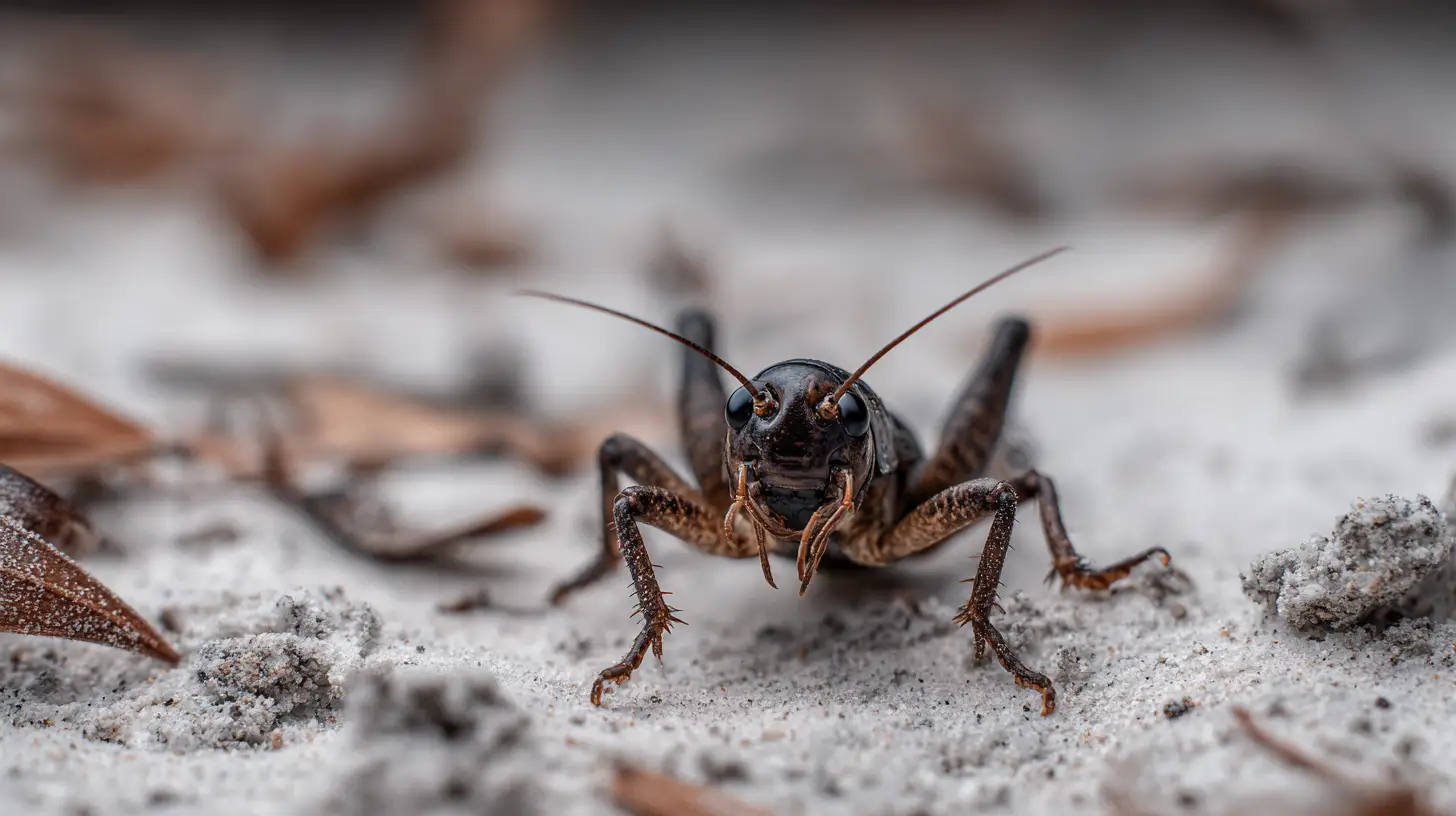
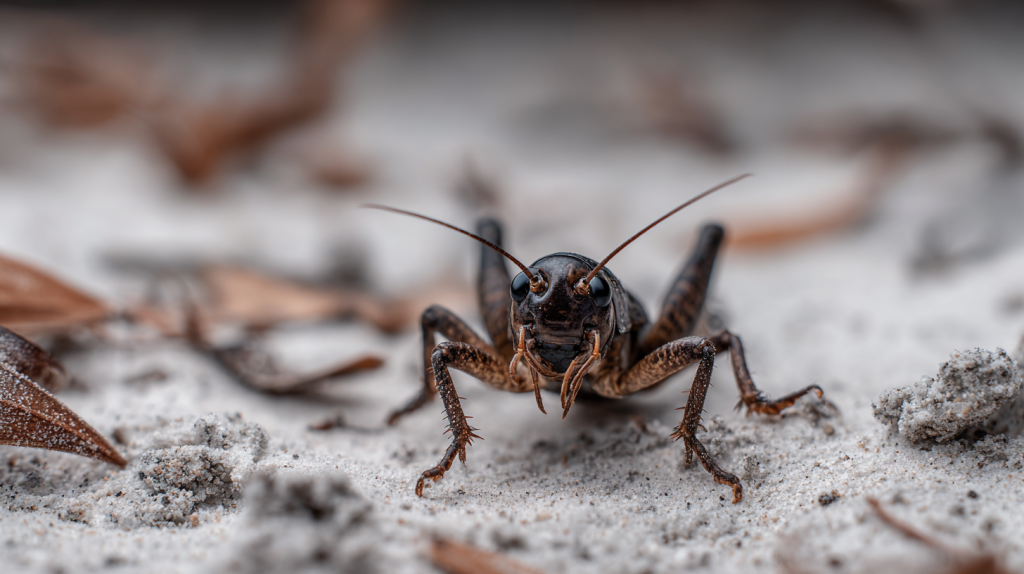
Mole crickets are not regular backyard pests—they’re more like underground commuters with built-in shovels. They spend most of their lives beneath the soil surface, digging through the root zone with those creepy, oversized front claws. That digging alone is enough to weaken turf structure, but then they go a step further and snack on the roots.
Sarasota has the perfect environment for them: warm weather, moist soil, and plenty of turfgrass varieties they adore. Whether you’re growing bahiagrass, Bermudagrass, or something more forgiving like St. Augustinegrass, mole crickets don’t discriminate. If your lawn gives them soft soil and food, they’ll settle in like uninvited guests who have no plans to leave.
A single mole cricket can tunnel more than 20 feet in one night. That’s why damage seems to pop up suddenly, even if you saw nothing suspicious the day before.
What Mole Cricket Damage Looks Like in Sarasota
When mole crickets take over, your lawn won’t be subtle about it. Their tunneling and root-snacking produce a mix of symptoms that get worse over time.
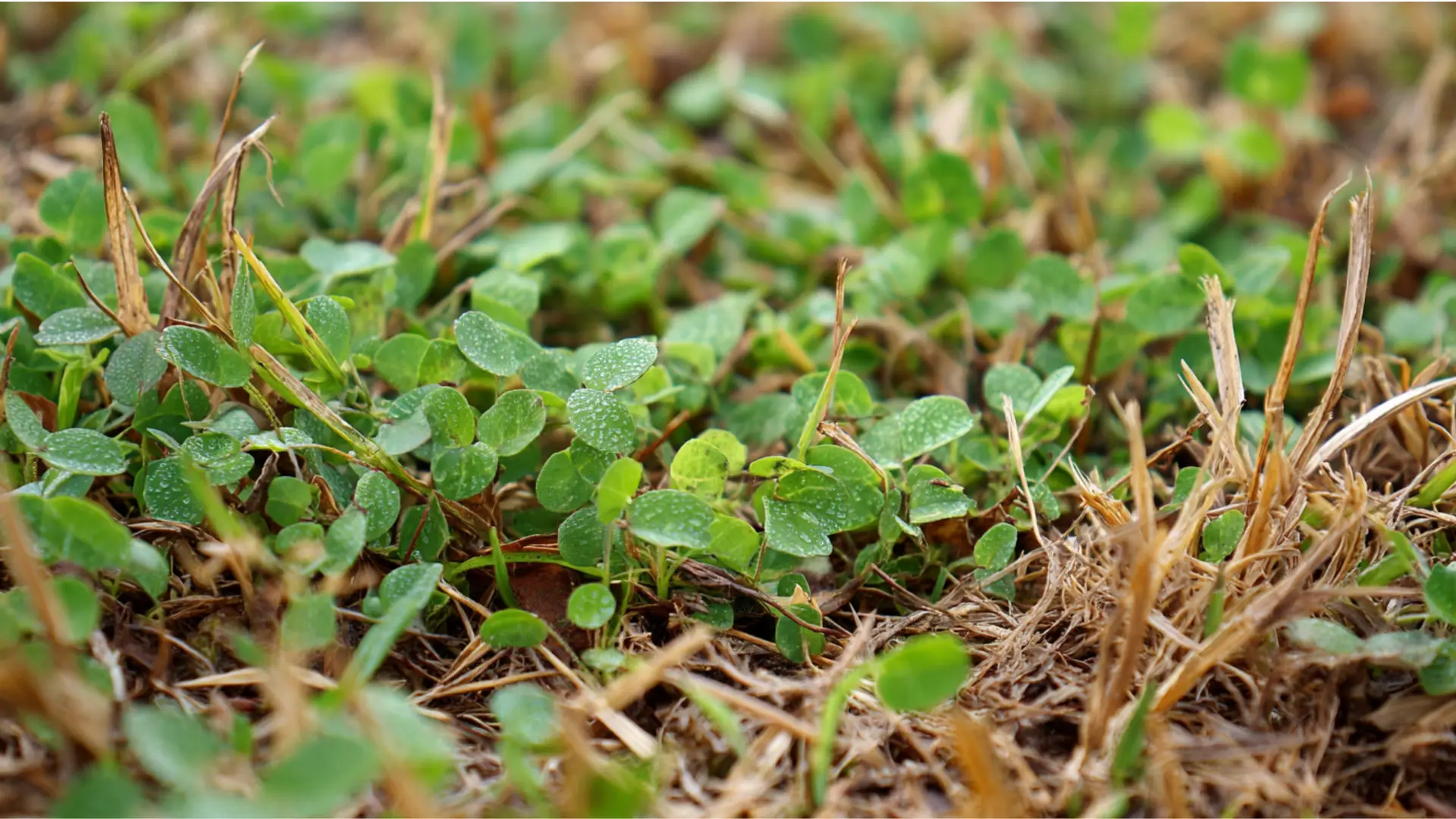
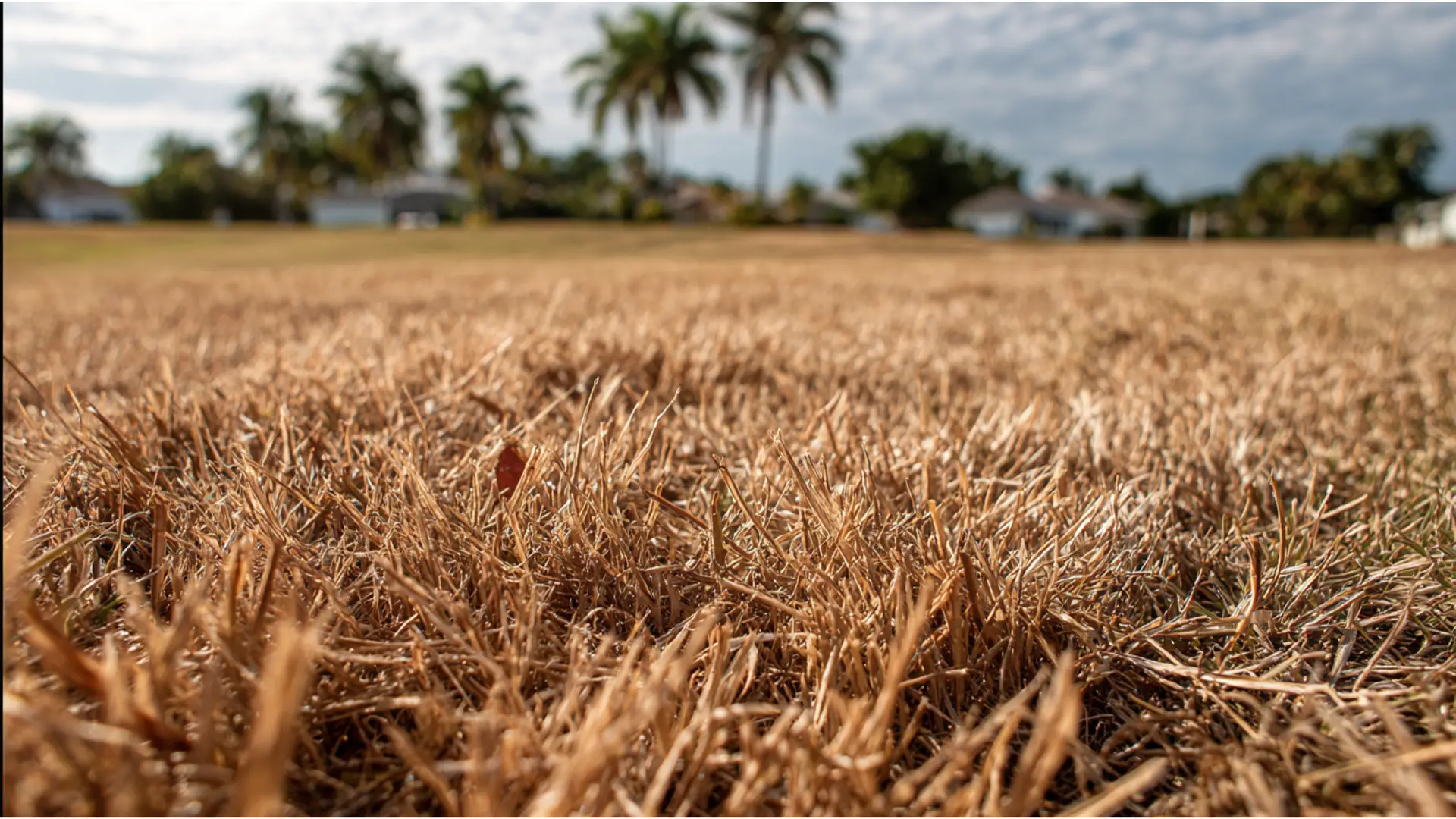
- Brown, irregular patches: These spots look like drought stress, but watering doesn’t help because the roots are already sliced. The grass might lift easily if you tug on it because it’s barely connected to the soil anymore.
- Spongy or unstable turf: Walking across an infested area feels odd—like stepping on rolled-up carpet or something squishy hiding beneath the grass. That’s the result of tunnels that sit just under the surface.
- Ridges, mounds, and loose soil: You’ll often see areas where the soil looks freshly disturbed. These aren’t molehills; they’re pushed-up tunnels from the crickets passing through.
- Wildlife tearing up the lawn: Armadillos, raccoons, and even some birds know mole crickets are a snack. If they start ripping random sections of your yard apart, they aren’t destroying your grass because of you—they’re destroying it because of the crickets.
- Nighttime appearances: Mole crickets rarely show themselves during the day, but they do wander above ground in the evenings, especially around lights. They fly, too, which is always an unsettling surprise when one lands near your front door.
- The soap flush test: Mix soapy water and pour it over a small area. If mole crickets start popping up to escape the irritation, you’ve confirmed the infestation. This simple, weirdly satisfying test works better than guessing.
Why Sarasota Homeowners Deal With Mole Crickets So Often
While other parts of the country get a break from pests in winter, Sarasota doesn’t cool off enough to slow mole crickets down. They stay active deeper in the soil and move up as temperatures rise.
Several factors make Sarasota especially appealing:
- Irrigated lawns: Soft, moist soil is mole cricket paradise, and most Sarasota homeowners irrigate consistently.
- Warm, sandy soil: Easy to dig. Easy to colonize. Basically an open invitation.
- Long growing seasons: More roots, more food, more chances for them to thrive.
- Year-round turf maintenance: Frequent watering and fertilizing can unintentionally support mole cricket populations if timing isn’t right.
These pests are not a seasonal nuisance here—they’re more like annoying neighbors who only quiet down for part of the year.
Protect Your Sarasota Lawn!
Trust Waves Pest Control for dependable lawn pest control in Sarasota, FL. Keep your lawn healthy and free from damaging pests—call today or request your free quote online!
Request a QuoteHow to Protect Your Sarasota Lawn
Managing mole crickets is all about combining several strategies. Think of it like getting toddlers to go to bed on time—one method isn’t enough.
Build a Stronger Lawn
A thick, healthy lawn withstands mole cricket damage better and isn’t as appealing to them.
- Keep mowing height appropriate for your turf type
- Water deeply but not constantly
- Let the soil surface dry slightly between irrigation cycles
- Aerate or dethatch if needed
- Choose turf varieties known for resilience if you’re renovating
Overwatered turf is one of the biggest mole cricket magnets in Sarasota. Moist soil is their preferred place to lay eggs, so cutting back on unnecessary irrigation reduces their interest.
Adjust Outdoor Lighting in Spring
Adult mole crickets fly at night and are drawn to bright lights. During the spring breeding season, dimming outdoor lights, using yellow bulbs, or switching to motion-activated lighting can help reduce how many new pests land in your yard.
Fewer visitors = fewer eggs = fewer problems later.
Take Advantage of Biological Allies
Florida has some built-in help for homeowners, thanks to years of successful biological control efforts.
- Beneficial nematodes: These microscopic predators hunt mole crickets underground. Once they infect a mole cricket, they reproduce inside the body, creating a chain reaction that spreads through the soil. They thrive in warm, moist conditions—Sarasota has plenty of those.
- Larra wasps: These wasps are nothing like the aggressive stingers people worry about. They don’t attack humans; they attack mole crickets. Planting nectar sources like Pentas or partridge pea encourages them to hang around your yard.
- Birds, frogs, beetles, and other natural predators: A diverse yard with water sources and native plants often attracts these helpers. They won’t eliminate mole crickets, but they absolutely help balance the ecosystem.
When Chemical Treatments Become Necessary
Sometimes the population gets large enough that you need a strategic approach using insecticides. The key is timing.
June and July are Sarasota’s most effective treatment months.
During this period:
- Eggs have recently hatched
- Young mole crickets stay closer to the surface
- Nymphs are easier to control
- You can dramatically reduce late-summer damage
Products labeled for mole crickets may include pyrethroids, fipronil, or specialized baits. Some need to be watered in, while baits should stay dry—always follow the product label to get the best results.
Even with chemical treatments, avoid blasting the entire lawn repeatedly. Use the soap flush test to target problem zones and treat them directly.
What Mole Cricket Season Looks Like in Sarasota
Here’s how the year typically unfolds in the Gulf Coast region:
- Spring: Adults start flying and mating. You may hear more nighttime chirping. This is not the time to treat—adults can fly back in even if you kill the ones on your lawn.
- Early Summer (Prime Treatment Window): Eggs hatch, and the tiny nymphs stay concentrated in the soil. This is your big chance.
- Late Summer: If early-season control didn’t happen, expect visible damage again. Spot treatments can help stop things from getting worse.
- Fall/Winter: Activity slows down. Focus on lawn repairs, soil improvements, and preparing for next year’s treatment window.
Because Sarasota’s winters stay mild, mole crickets stay active deeper underground, so the cycle restarts quickly once temperatures rise.
Frequently Asked Questions (FAQs)
Are mole crickets dangerous to pets or kids?
No, they look alarming but they don’t sting or bite people or pets. The lawn is the only victim.
How long does it take for lawn pest control in Sarasota to work on mole crickets?
If treatments are timed early in the summer, you’ll often see improvements within several weeks. Severe infestations may need follow-ups.
Is the soap flush safe for my grass?
Yes. It might stress the area briefly, but it’s not harmful when done occasionally. It’s one of the simplest ways to see what’s hiding under the turf.
Can mole crickets kill an entire lawn?
If the infestation is large and left alone long enough, yes. They can destroy wide areas of turf, especially bahiagrass or Bermudagrass.
Do I have to treat every year?
Most Sarasota homeowners benefit from yearly monitoring and early-summer preventive action, even if no major treatment is needed.