In Florida, pest pressure is not random. It rises and falls with two things you can feel every time you step outside: heat and rain. A warm, wet week in July behaves nothing like a dry cold snap in January, and the pests in your yard know the difference long before you do.
That is exactly why we built a free Florida Pest Pressure Forecast — a live, week-by-week read on which household pests are spiking in your city right now, based on local weather and decades of well-documented Florida pest seasonality. This guide walks through what drives that forecast: which pests show up in which season, why they do it, and how to stay a step ahead.
Key Takeaways
- Heat and rain run the calendar. Warmth speeds up insect life cycles, and rain creates the standing water and humidity that most Florida pests need to thrive.
- Spring is swarm season. Subterranean termites send out winged swarmers on warm, humid evenings from roughly March through May — the single most important window to watch for wood-destroying activity.
- Summer is peak pressure. Mosquitoes, palmetto bugs, ants, and fleas all climb through the wet season, with the highest combined pressure of the year from June into early fall.
- Cooler months flip the script. Outdoor activity drops, but rodents start looking for warm shelter indoors as temperatures fall.
- You don’t have to guess. The live pest pressure forecast shows what’s elevated in your area this week so you can act before a problem starts.
Why Florida Pest Pressure Moves With the Weather
Most household pests are cold-blooded, which means temperature sets the pace of their entire lives. When it’s warm, insects develop faster, reproduce more often, and stay active longer into the day and night. When it cools off, that engine slows down.
Rain adds the second lever. Standing water from a heavy week becomes a mosquito nursery within days. Saturated ground pushes ant colonies and outdoor roaches to forage indoors for dry shelter. Warm humid evenings after a rain are the trigger that sends termites swarming. So a single warm, wet stretch can lift several different pests at once — and that’s the pattern our forecast is built to catch.
This is why a generic “spring means ants” rule of thumb only gets you so far. The same week can read very differently in Naples than in Jacksonville, and a dry July behaves nothing like a soggy one. Local conditions matter.
The Florida Pest Pressure Calendar
Here’s the broad shape of the year along Florida’s Gulf Coast. Think of it as the baseline — live weather nudges any given week up or down from here.
| Season | Pests spiking | What’s driving it |
|---|---|---|
| Spring (Mar–May) | Subterranean termites, ants | Warm humid evenings trigger swarms; colonies wake up and forage |
| Summer (Jun–Sep) | Mosquitoes, palmetto bugs, ants, fleas & ticks | Heat plus the wet season — peak pressure of the year |
| Fall (Oct–Nov) | Wasps, palmetto bugs, early rodents | Mature stinging-insect colonies; first cool nights push rodents to shelter |
| Winter (Dec–Feb) | Rats & mice, German cockroaches (indoors) | Rodents seek warmth indoors; roaches stay active in heated homes |
Spring: Termite Swarms and Ants on the Move
Spring is the season Florida homeowners most need to watch, and it’s all about termites. As soil warms and humidity climbs, mature subterranean termite colonies release winged swarmers — usually on calm, muggy evenings after rain, often clustering from March into May. A swarm near your home is the clearest natural sign of an established colony nearby.
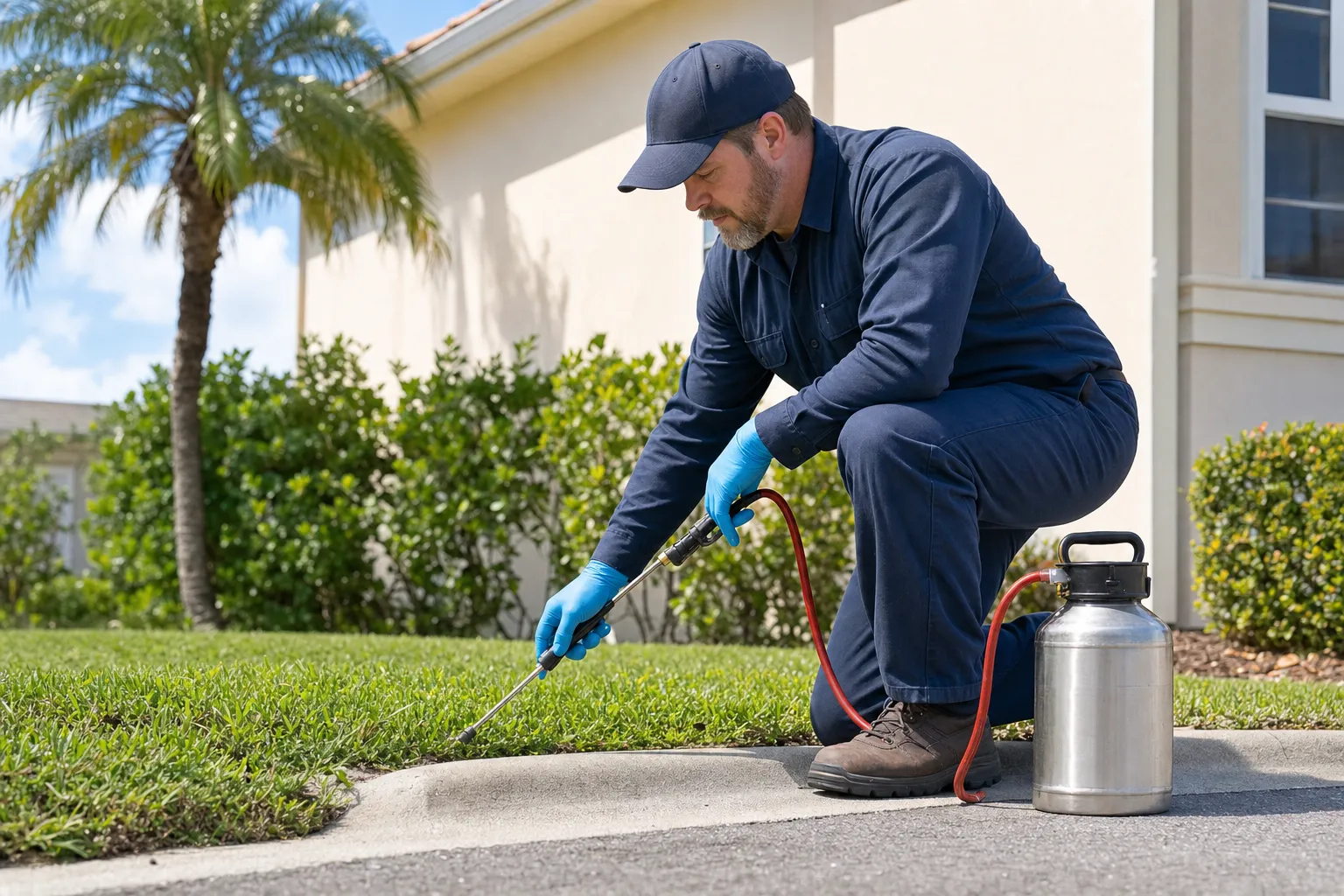
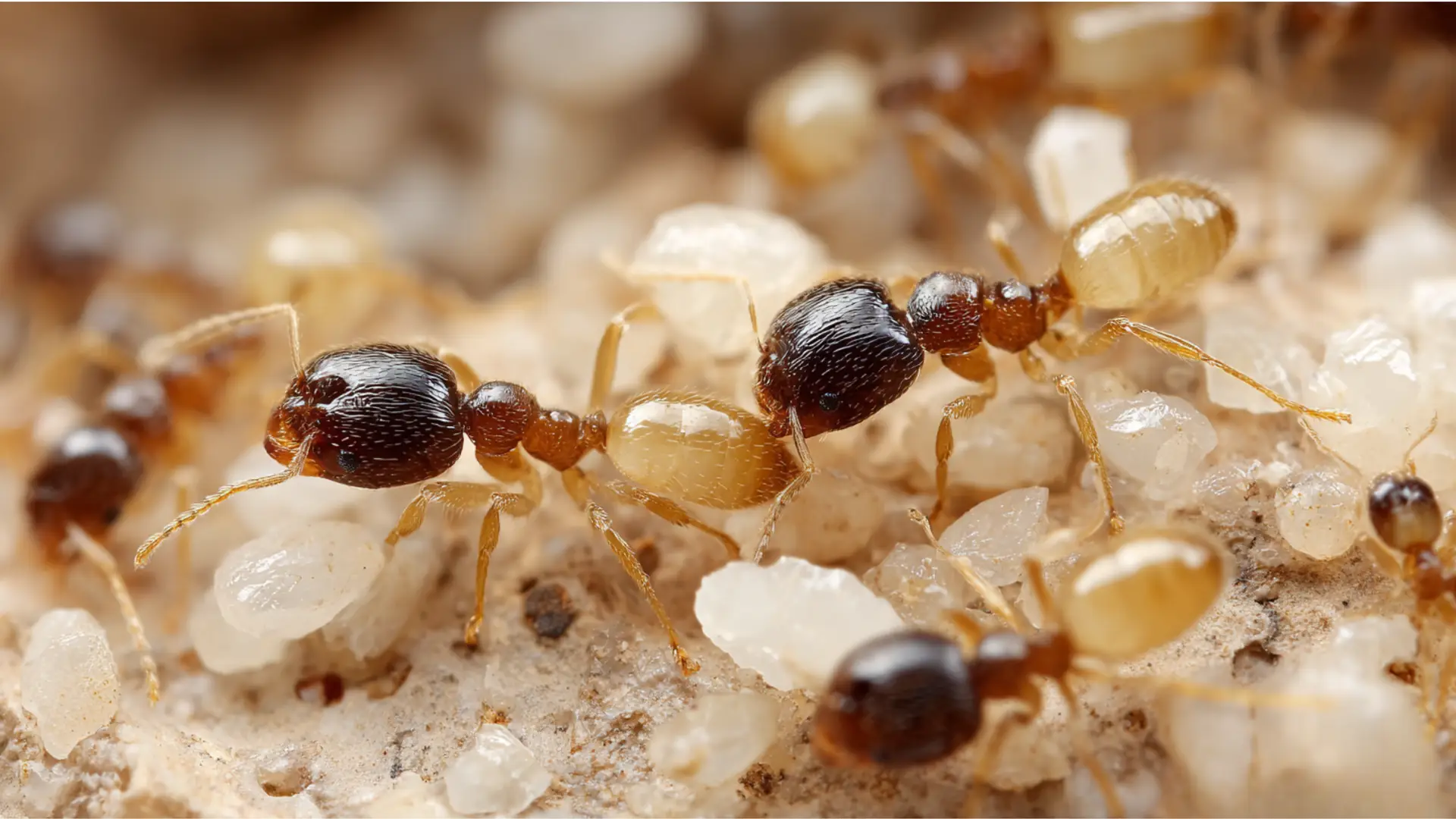
Ants ramp up at the same time. Warming weather wakes colonies and sends workers foraging for food and water, and the first heavy rains can push them straight indoors. Spring is the right time to seal entry points and trim vegetation back from the structure before summer pressure arrives.
Summer: Mosquitoes, Roaches, and Peak Pressure
If the year had a high-water mark, this is it. Florida’s warm, wet summer stacks several pests on top of each other:
- Mosquitoes explode after rain, since even small amounts of standing water become breeding sites within days.
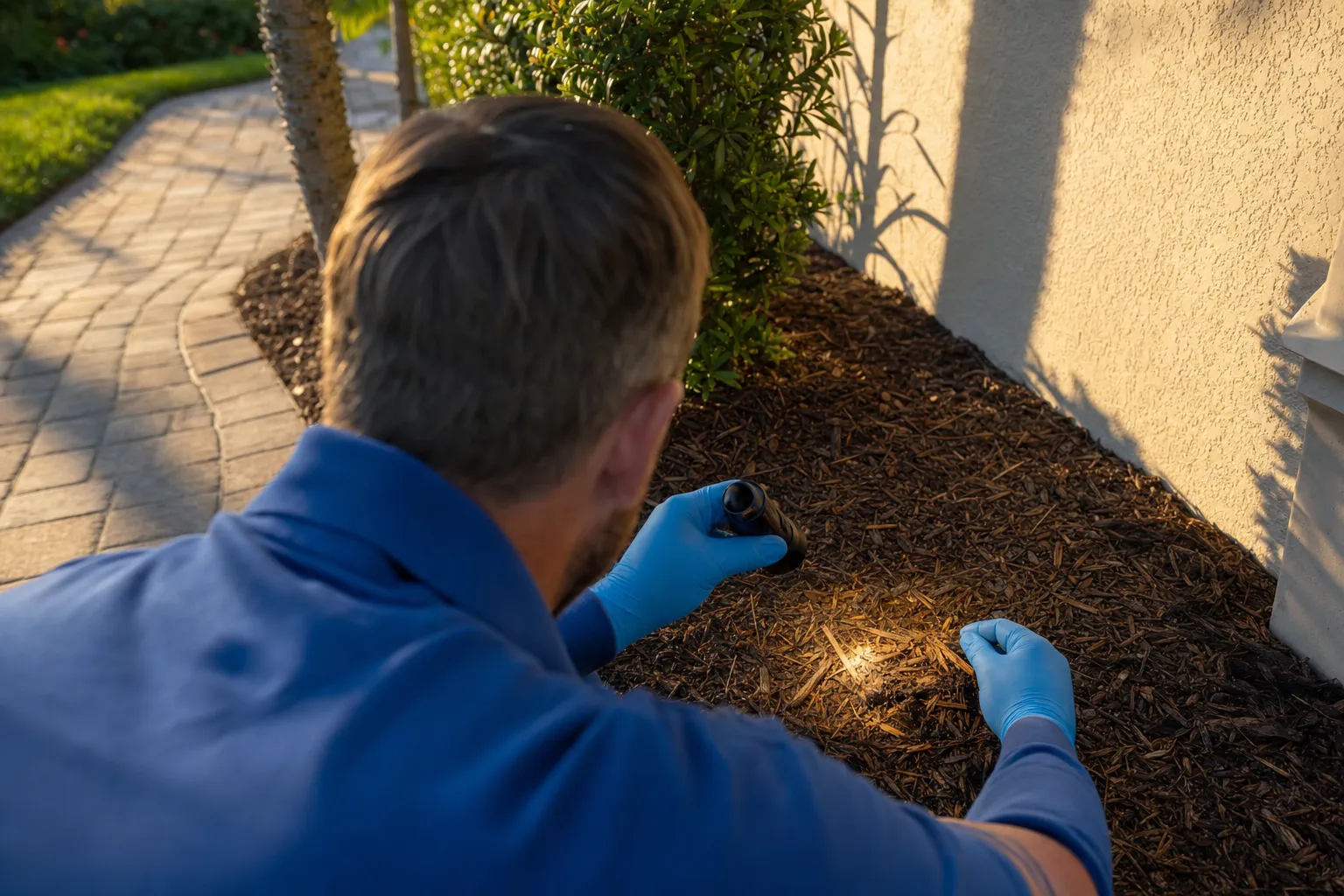
- Palmetto bugs (large outdoor American roaches) move out of mulch and into homes when it’s hot and wet.
- Ants keep foraging hard, and flooding drives them indoors.
- Fleas and ticks thrive in the heat and humidity, especially in shaded, pet-friendly yards.
This is the stretch where combined pest pressure is highest, and where staying ahead of standing water, moisture, and entry points pays off the most. It’s also the season our forecast tends to flash the most red — a warm, wet week can push mosquitoes and roaches to the top of the list almost overnight.
Fall: Wasps Peak and Rodents Start Looking Inside
By late summer and into fall, wasp and stinging-insect colonies are at their largest and most defensive, so nests under eaves and soffits become more noticeable — and worth handling carefully.
Fall is also the turning point for rodents. As the first cooler nights arrive, rats and mice start scouting for warm, sheltered places to spend the winter, and your home is a prime candidate. Sealing gaps and cutting off food sources in the fall heads off a far bigger problem in December.
Winter: Quieter Outside, Busier Indoors
Florida winters never fully shut pests down, but outdoor activity does drop. Mosquitoes, outdoor roaches, and stinging insects fade with the cooler, drier air.
Indoors is a different story. Rodent pressure peaks in the cooler months as rats and mice settle in for warmth, and German cockroaches stay active year-round in heated kitchens and bathrooms. A cold snap can drive rodent activity up sharply, which is one of the patterns the live forecast watches for.
Check Your Local Pest Pressure This Week
Seasons give you the big picture, but your week is what actually matters — and it depends on where you live and what the weather is doing right now.
That’s what our free tool is for. The Florida Pest Pressure Forecast lets you pick your city and see which pests are elevated this week, ranked, with a plain-language reason for each one. It blends documented Florida pest seasonality with the live National Weather Service outlook for your area, so a hot dry week and a warm wet week read differently — the way they actually behave.
It’s free, there’s nothing to install, and you can even drop the same live forecast onto your own website. Check this week’s forecast for your city →
Frequently Asked Questions (FAQs)
When is pest season worst in Florida?
Combined pest pressure is highest during the warm, wet summer — roughly June through September — when mosquitoes, ants, palmetto bugs, and fleas all climb at once. Spring is the key window for termite swarms, and rodents peak in the cooler months.
What month do termites swarm in Florida?
Subterranean termites typically swarm from March through May, usually on warm, humid evenings after rain. Seeing winged termites around your home is a strong sign of an established colony nearby and worth a professional inspection.
Why do I see more bugs after it rains?
Rain creates standing water that mosquitoes breed in, and it pushes ants and outdoor roaches indoors looking for dry shelter. Warm, humid conditions after rain also trigger termite swarms. A wet week often lifts several pests at once.
Do pests go away in the Florida winter?
Outdoor pests like mosquitoes and stinging insects slow down in the cooler, drier winter, but they don’t disappear. Indoor pressure can actually rise as rats and mice move inside for warmth and roaches stay active in heated homes.
How can I tell what pests are active in my area right now?
Use the free Florida Pest Pressure Forecast. Choose your city and it shows which household pests are elevated this week, ranked and explained, based on local weather and Florida pest seasonality.
Is the pest pressure forecast a guarantee?
No. It’s an informational model that blends Florida pest seasonality with the live weather outlook to show what’s worth watching. It’s a planning tool, not a guarantee of activity — if you already have a problem, the best next step is a professional inspection.