
Large patch
Peak seasonYellow-orange rings that brown as nights cool. Blades pull free at the base.
Looks like: take-all, but the rot is at the leaf base, not the roots.
Tools · Lawn & landscape
Month by month: which insects, diseases and weeds are in season for St. Augustine, Bahia, Zoysia and Bermuda lawns, shrubs, palms and citrus from Bradenton to North Port, and what each one looks like.
Request a lawn inspectionOctober
A seasonal level is not a finding on your property and does not mean treatment is needed. Seeing a sign? Compare it in Photo ID or ask us to look.
Yellow-orange rings that brown as nights cool. Blades pull free at the base.
Looks like: take-all, but the rot is at the leaf base, not the roots.
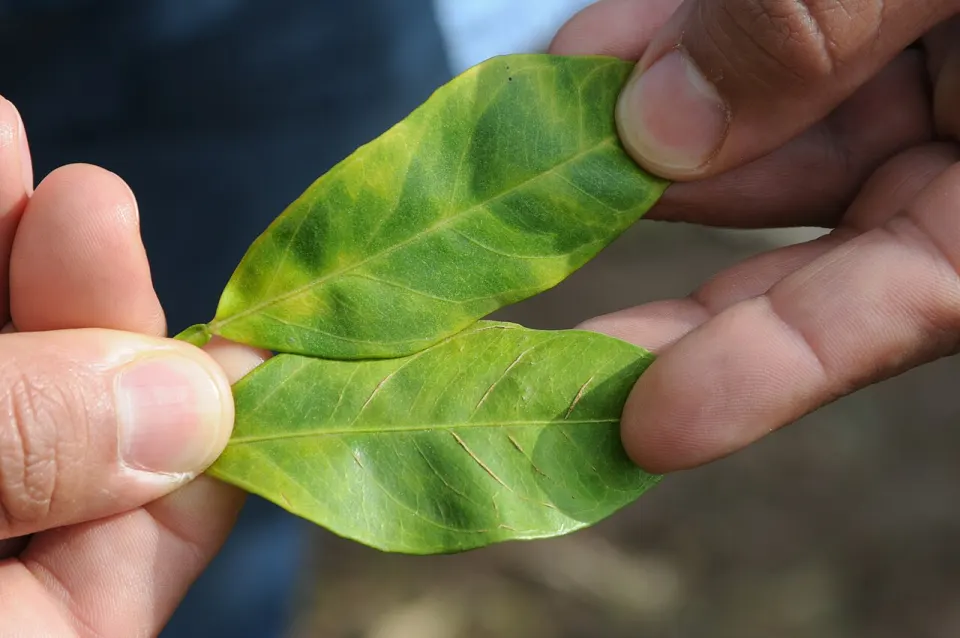
Blotchy, uneven yellowing on leaves and small, lopsided fruit.
Looks like: nutrient deficiency, but the yellowing is not symmetrical.
Photo: USDAgov via Wikimedia Commons , public domain, resized.
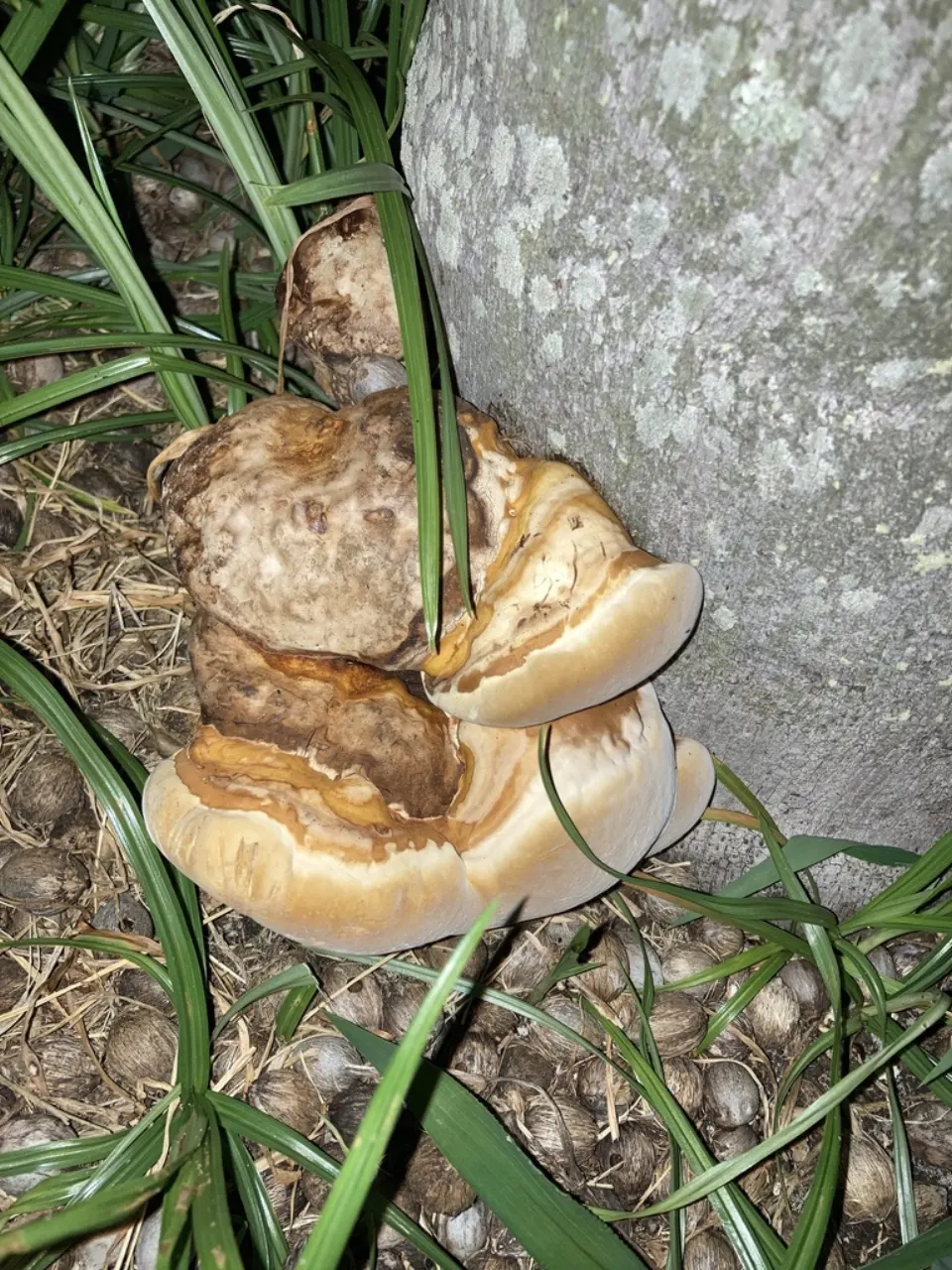
A shelf-like conk at the trunk base. The palm can fall; call an arborist.
Photo: Jade Fortnash via iNaturalist , CC0 1.0, resized.
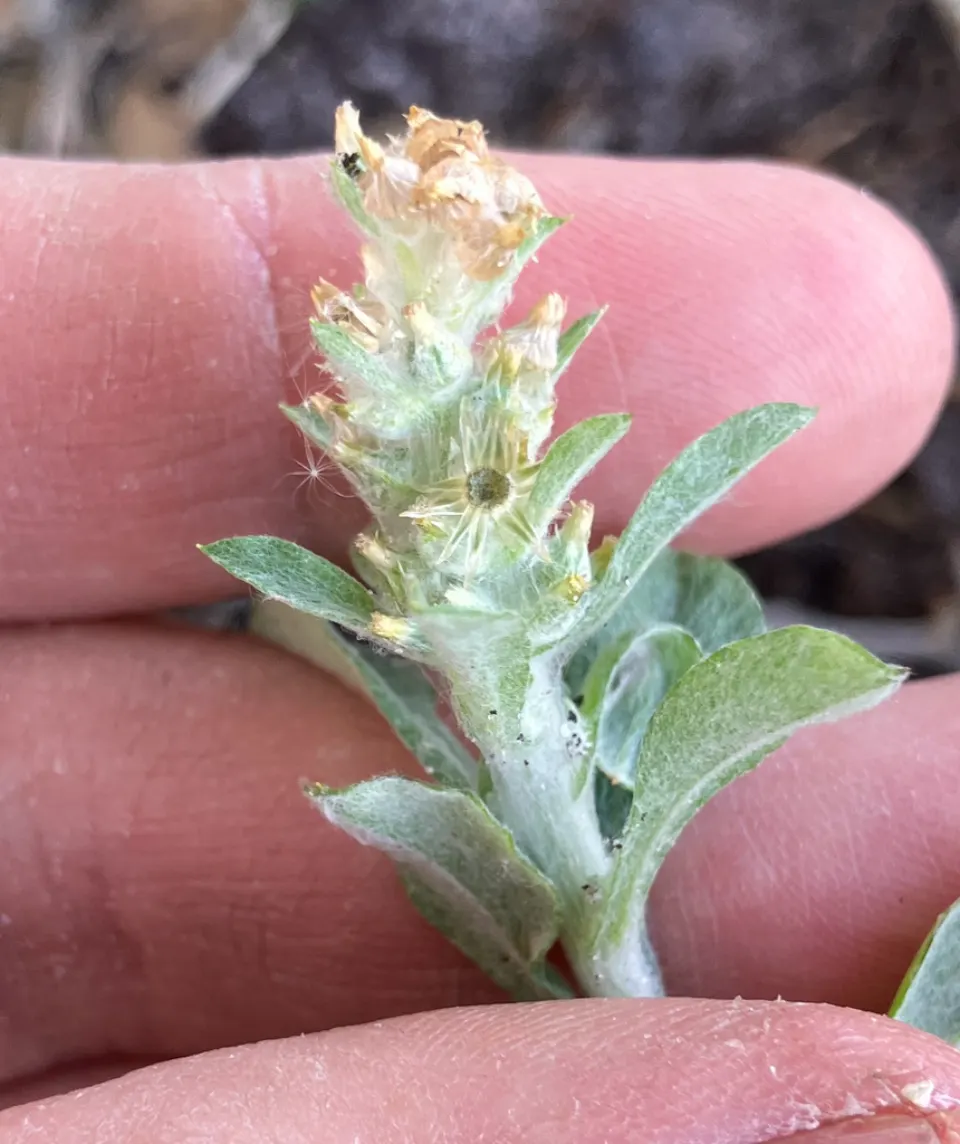
Flat rosettes appearing as nights cool.
Photo: Sterling Herron via iNaturalist , CC0 1.0, resized.
Nothing in this category is in season in January.
Low year-round, still possible in January:
Yellow-orange rings that brown as nights cool. Blades pull free at the base.
Looks like: take-all, but the rot is at the leaf base, not the roots.
Easing next month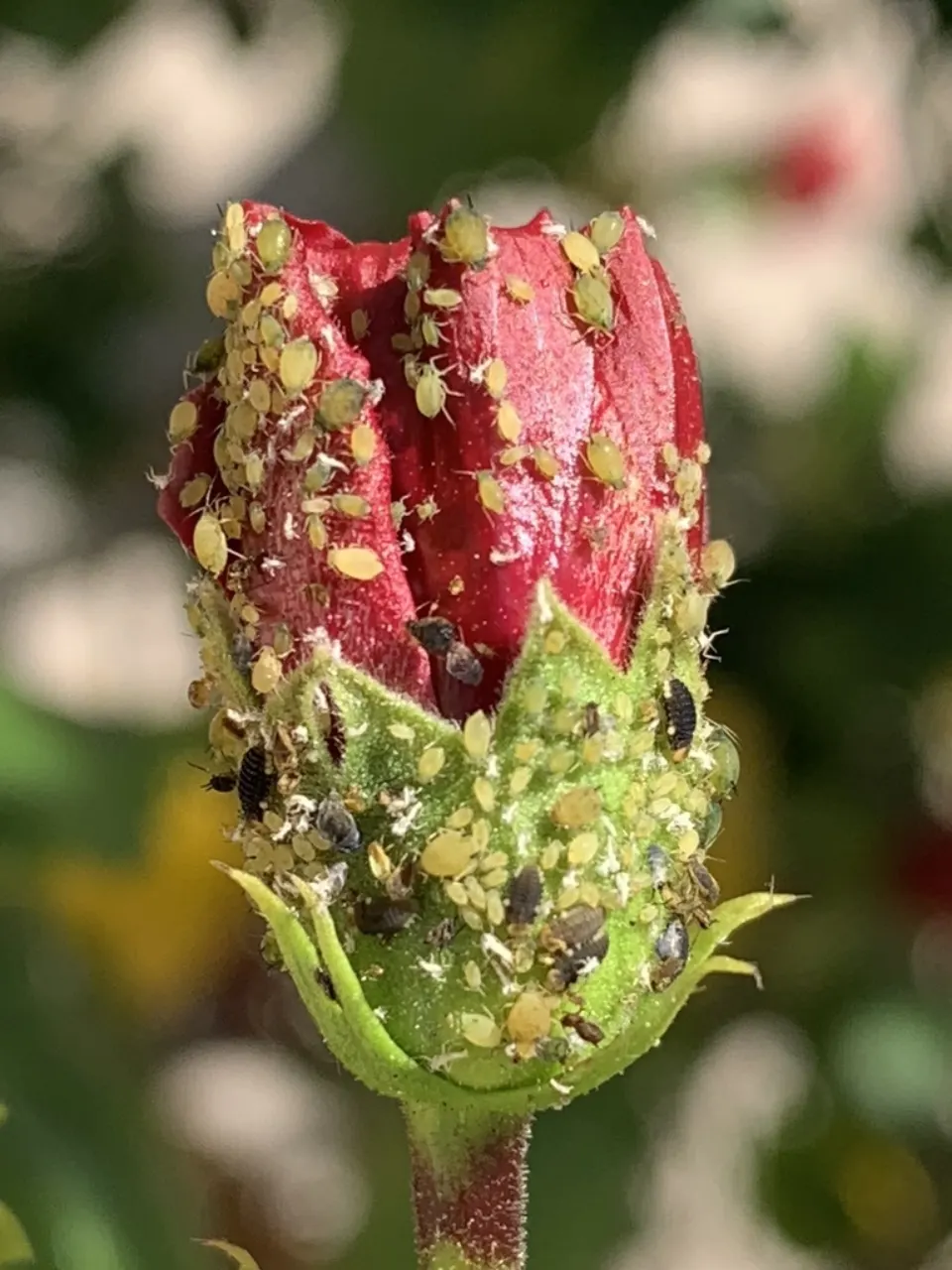
Clusters on tender shoots, with sticky honeydew and black sooty mold.
Signs, photos and next steps →Photo: Sandra H Statner via iNaturalist , CC BY 4.0, resized.
Blotchy, uneven yellowing on leaves and small, lopsided fruit.
Looks like: nutrient deficiency, but the yellowing is not symmetrical.
Photo: USDAgov via Wikimedia Commons , public domain, resized.
A shelf-like conk at the trunk base. The palm can fall; call an arborist.
Photo: Jade Fortnash via iNaturalist , CC0 1.0, resized.
Flat rosettes appearing as nights cool.
Photo: Sterling Herron via iNaturalist , CC0 1.0, resized.
Nothing in this category is in season in February.
Low year-round, still possible in February:
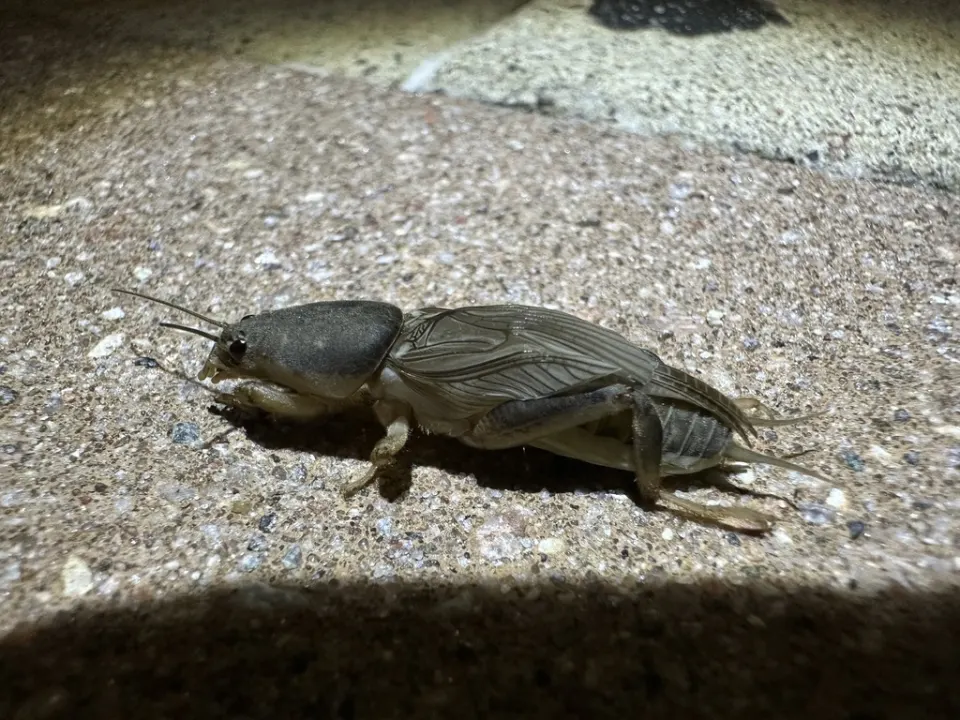
Raised tunnels and spongy soil that feels loose underfoot.
Looks like: animal digging, but with tunnels near the surface.
Signs, photos and next steps →Photo: Edwin Wilke via iNaturalist , CC0 1.0, resized.
Yellow-orange rings that brown as nights cool. Blades pull free at the base.
Looks like: take-all, but the rot is at the leaf base, not the roots.
Clusters on tender shoots, with sticky honeydew and black sooty mold.
Signs, photos and next steps →Photo: Sandra H Statner via iNaturalist , CC BY 4.0, resized.
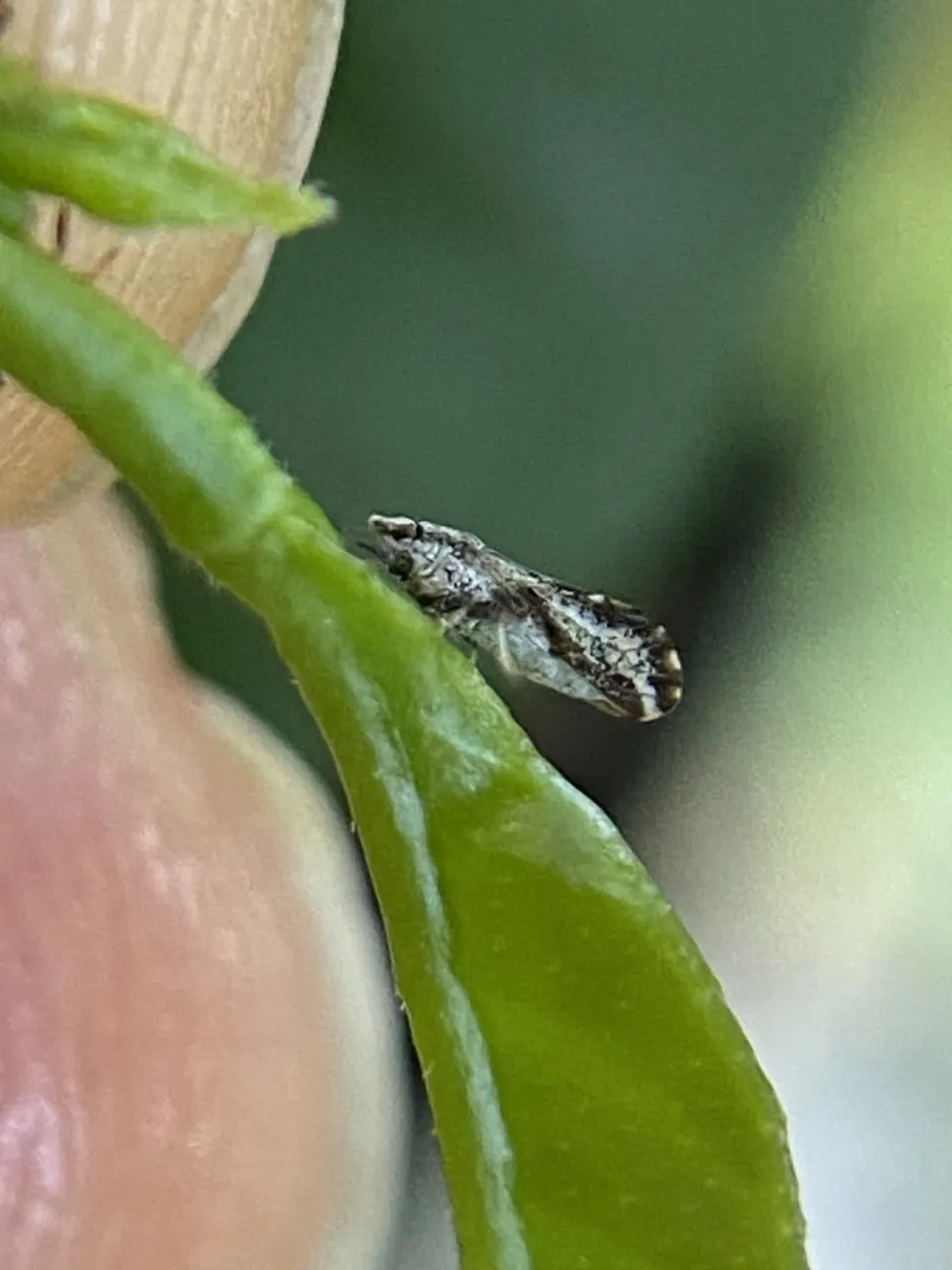
Tiny insects tilted head-down on new citrus growth.
Photo: Sandra H Statner via iNaturalist , CC BY 4.0, resized.
Blotchy, uneven yellowing on leaves and small, lopsided fruit.
Looks like: nutrient deficiency, but the yellowing is not symmetrical.
Easing next monthPhoto: USDAgov via Wikimedia Commons , public domain, resized.
A shelf-like conk at the trunk base. The palm can fall; call an arborist.
Photo: Jade Fortnash via iNaturalist , CC0 1.0, resized.
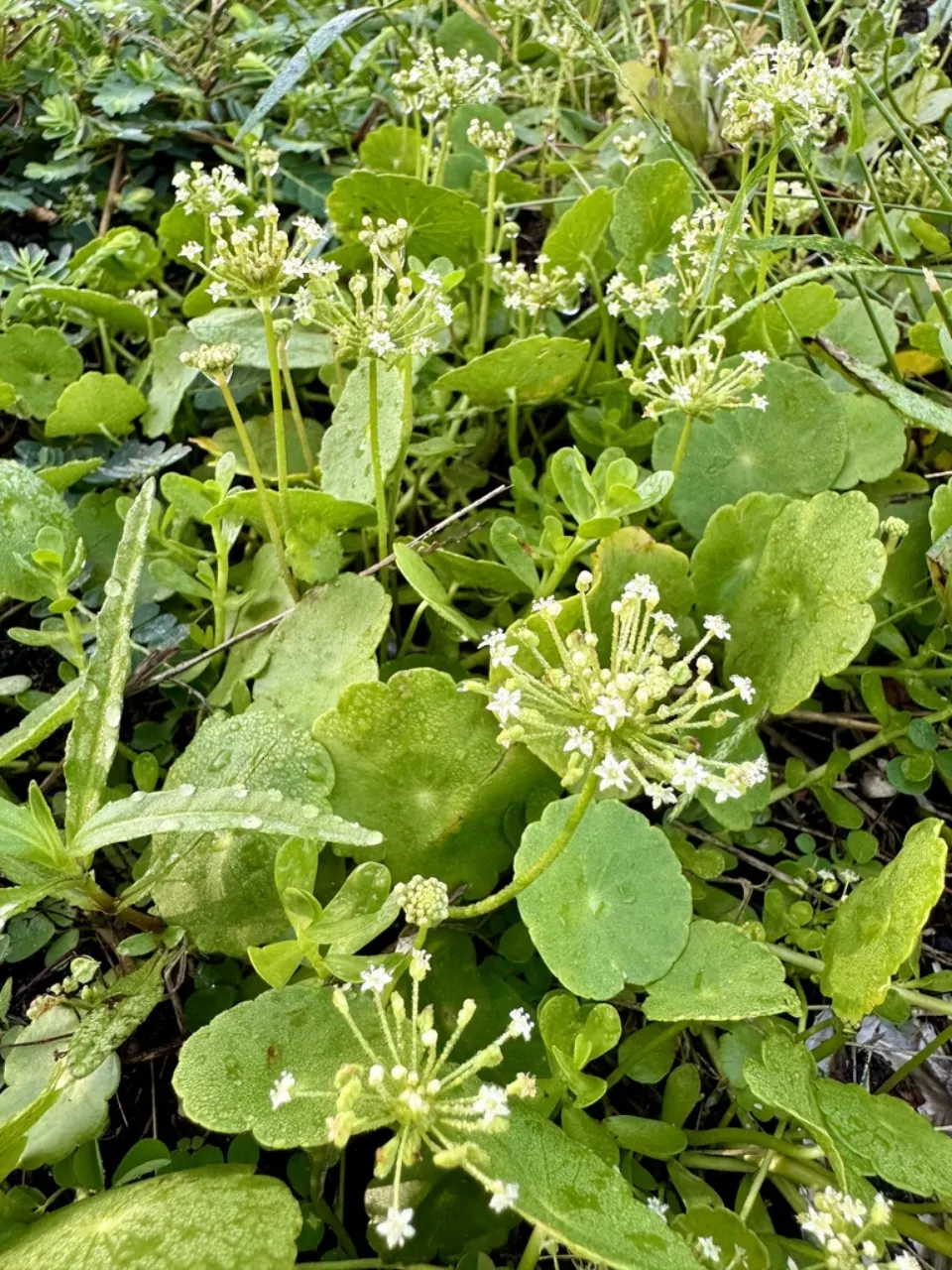
Round, coin-shaped leaves spreading where the lawn stays wet.
Photo: Karen Guin via iNaturalist , CC BY 4.0, resized.
Flat rosettes appearing as nights cool.
Easing next monthPhoto: Sterling Herron via iNaturalist , CC0 1.0, resized.
Nothing in this category is in season in March.
Low year-round, still possible in March:
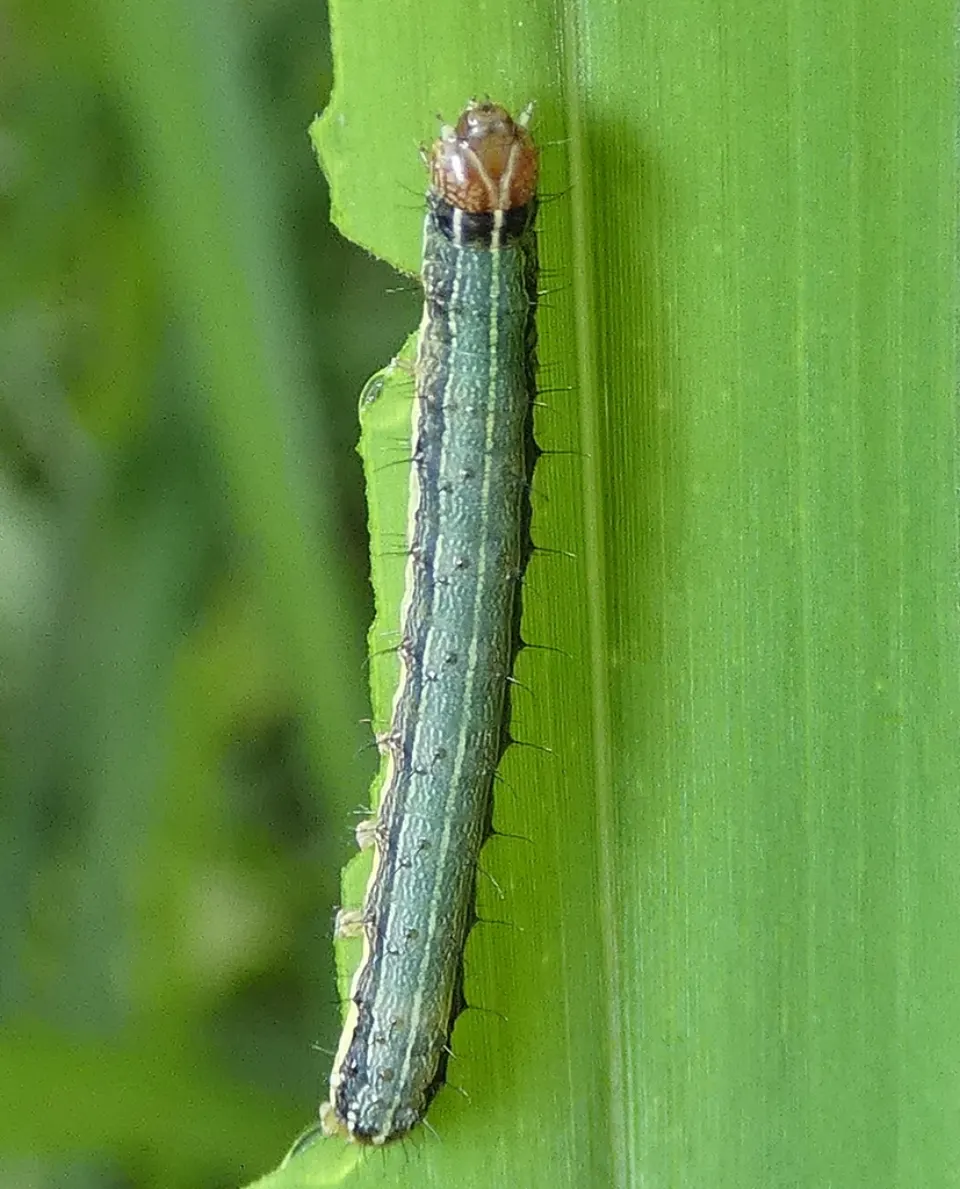
Large areas browned almost overnight, with caterpillars feeding in groups.
Looks like: sod webworm, but the damage is even and fast.
Signs, photos and next steps →Photo: Helio Lourencini via iNaturalist , CC BY 4.0, resized.
Raised tunnels and spongy soil that feels loose underfoot.
Looks like: animal digging, but with tunnels near the surface.
Signs, photos and next steps →Photo: Edwin Wilke via iNaturalist , CC0 1.0, resized.
Thinning, yellow turf with short, dark roots. Roots are hit weeks before leaves show it.
Looks like: drought or nutrient problems.
Yellow-orange rings that brown as nights cool. Blades pull free at the base.
Looks like: take-all, but the rot is at the leaf base, not the roots.
Fine speckling on leaves, sometimes with fine webbing underneath.
Clusters on tender shoots, with sticky honeydew and black sooty mold.
Easing next month Signs, photos and next steps →Photo: Sandra H Statner via iNaturalist , CC BY 4.0, resized.
Tiny insects tilted head-down on new citrus growth.
Photo: Sandra H Statner via iNaturalist , CC BY 4.0, resized.
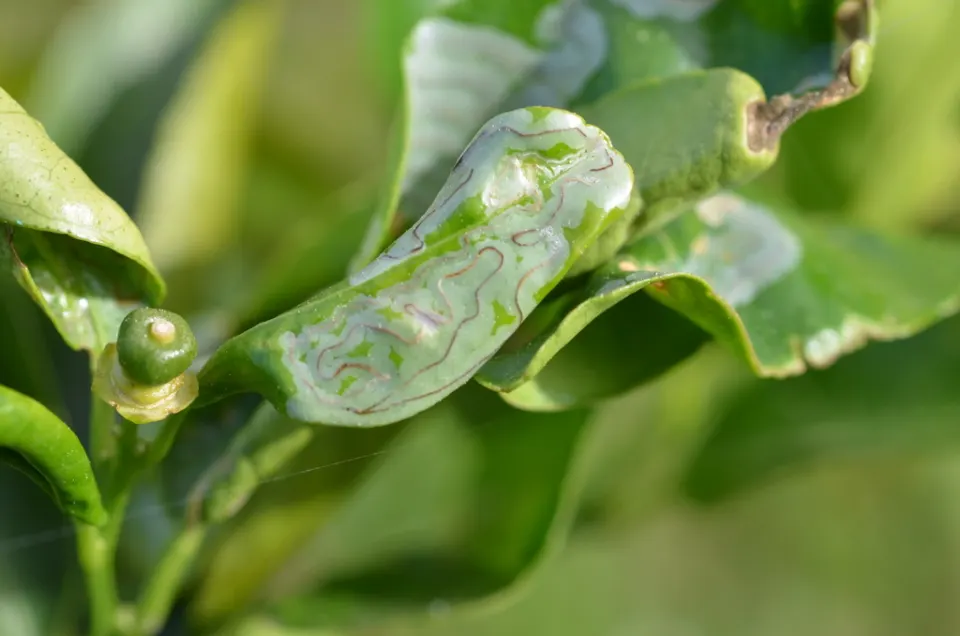
Silvery, winding trails inside young leaves, which curl.
Photo: Josiah Londerée via iNaturalist , CC BY 4.0, resized.
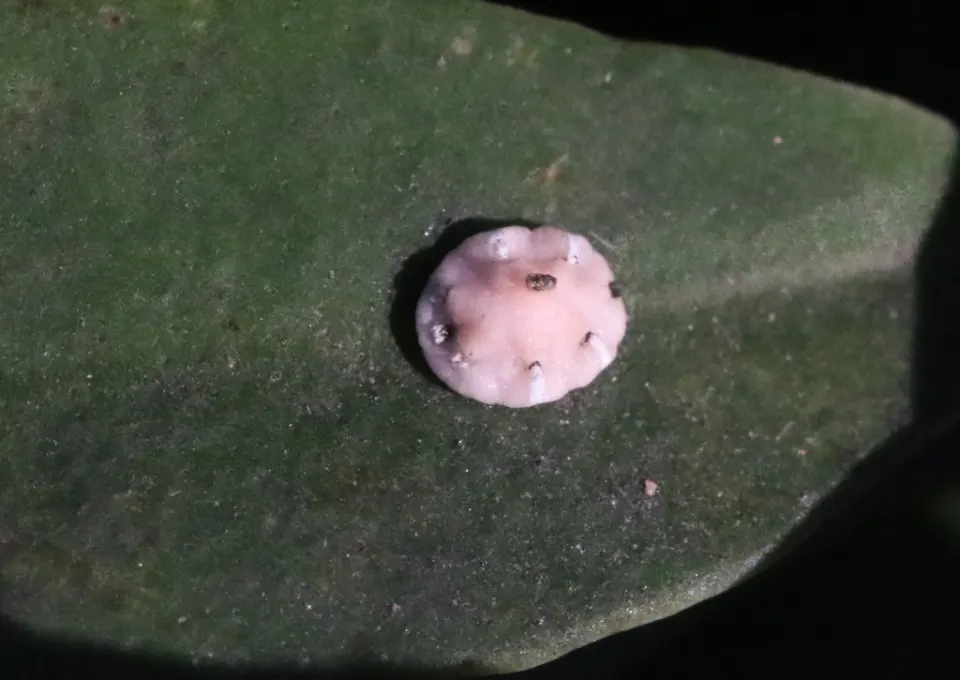
White waxy bumps along stems, with yellowing and sooty mold.
Photo: Agnes Trekker via iNaturalist , CC0 1.0, resized.
A shelf-like conk at the trunk base. The palm can fall; call an arborist.
Photo: Jade Fortnash via iNaturalist , CC0 1.0, resized.
Round, coin-shaped leaves spreading where the lawn stays wet.
Photo: Karen Guin via iNaturalist , CC BY 4.0, resized.
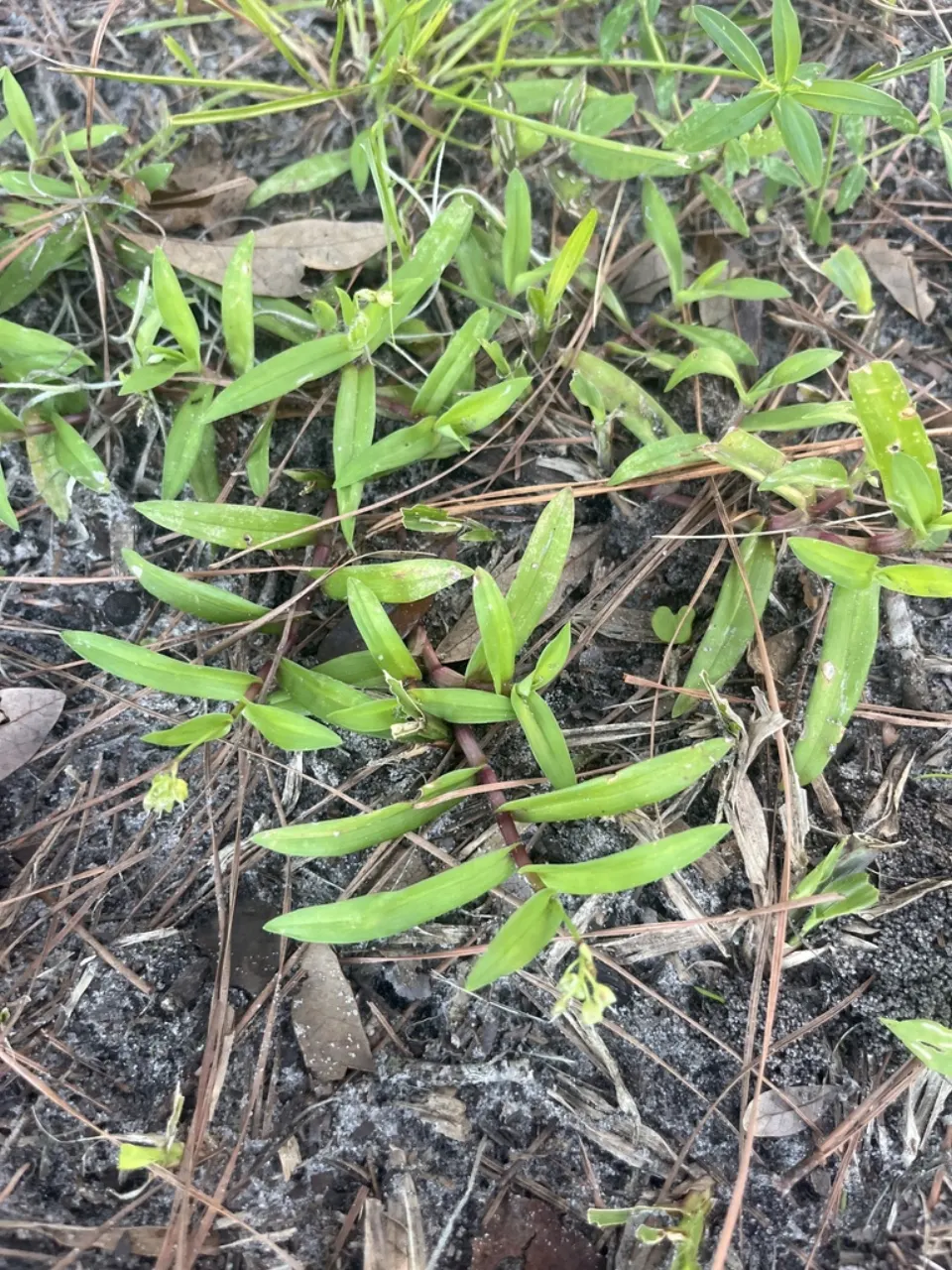
Glossy, grass-like leaves that creep and root at the joints.
Photo: Ian Talty via iNaturalist , CC BY 4.0, resized.
Flat rosettes appearing as nights cool.
Photo: Sterling Herron via iNaturalist , CC0 1.0, resized.
Nothing in this category is in season in April.
Low year-round, still possible in April:
Large areas browned almost overnight, with caterpillars feeding in groups.
Looks like: sod webworm, but the damage is even and fast.
Easing next month Signs, photos and next steps →Photo: Helio Lourencini via iNaturalist , CC BY 4.0, resized.
Raised tunnels and spongy soil that feels loose underfoot.
Looks like: animal digging, but with tunnels near the surface.
Signs, photos and next steps →Photo: Edwin Wilke via iNaturalist , CC0 1.0, resized.
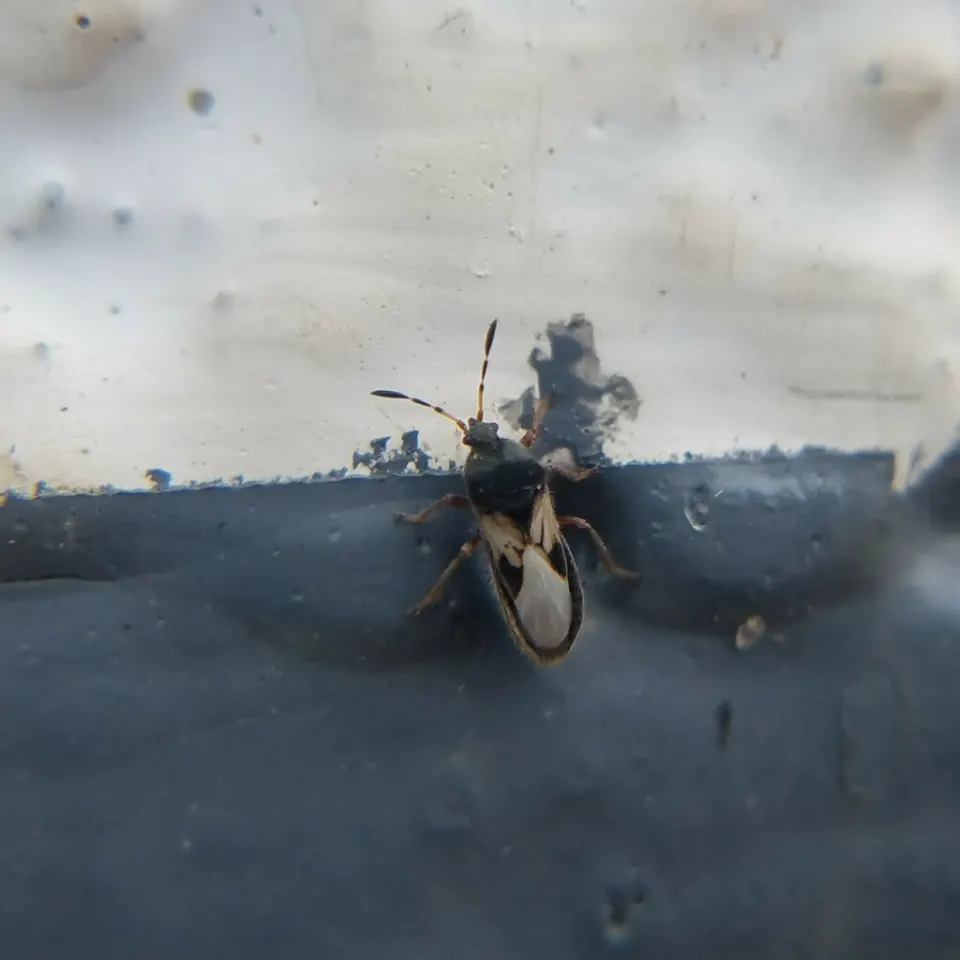
Yellow-to-brown patches in the sunniest, driest spots, often along drives.
Looks like: drought, but water doesn't bring it back.
Signs, photos and next steps →Photo: Leila Dasher via iNaturalist , CC BY 4.0, resized.
Thinning, yellow turf with short, dark roots. Roots are hit weeks before leaves show it.
Looks like: drought or nutrient problems.
Peak season starts next month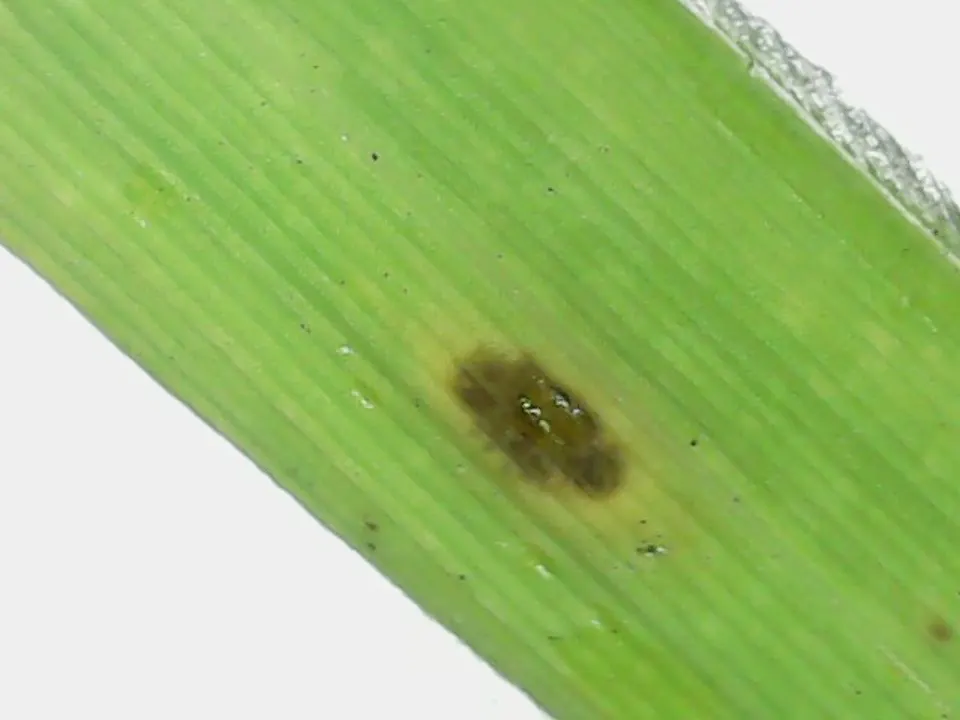
Gray-brown oval spots with dark borders on the blades.
Peak season starts next monthPhoto: 余世文 via Wikimedia Commons , CC0 1.0, resized.
Yellow-orange rings that brown as nights cool. Blades pull free at the base.
Looks like: take-all, but the rot is at the leaf base, not the roots.
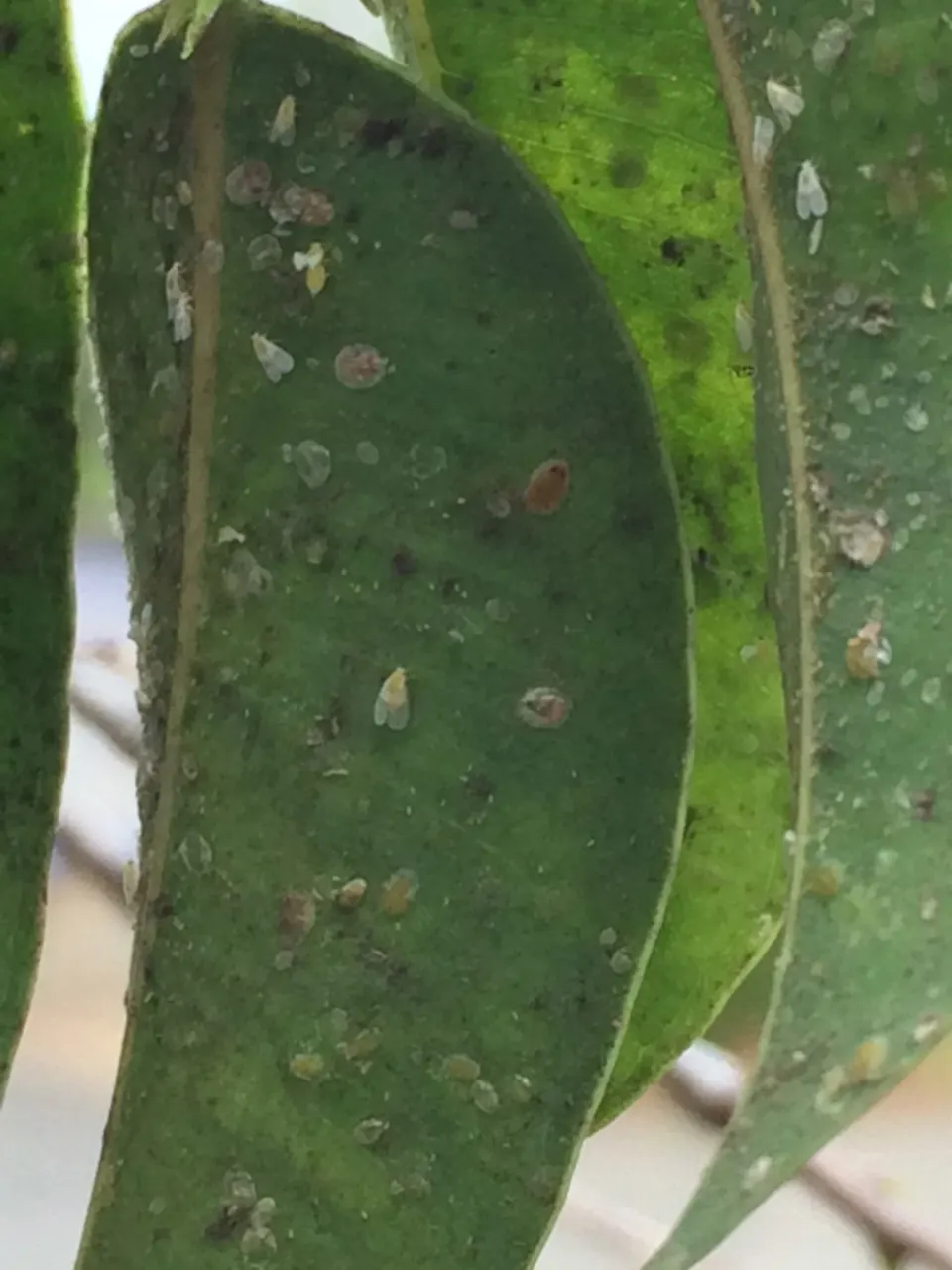
A white cloud when you brush the hedge, then leaf drop and thin, bare stems.
Photo: Christine Melvin via iNaturalist , CC BY 4.0, resized.
Curled, bronzed or stunted new leaves.
Looks like: herbicide drift or cold injury.
Fine speckling on leaves, sometimes with fine webbing underneath.
Tiny insects tilted head-down on new citrus growth.
Easing next monthPhoto: Sandra H Statner via iNaturalist , CC BY 4.0, resized.
Silvery, winding trails inside young leaves, which curl.
Easing next monthPhoto: Josiah Londerée via iNaturalist , CC BY 4.0, resized.
White waxy bumps along stems, with yellowing and sooty mold.
Photo: Agnes Trekker via iNaturalist , CC0 1.0, resized.
A shelf-like conk at the trunk base. The palm can fall; call an arborist.
Photo: Jade Fortnash via iNaturalist , CC0 1.0, resized.
Round, coin-shaped leaves spreading where the lawn stays wet.
Photo: Karen Guin via iNaturalist , CC BY 4.0, resized.
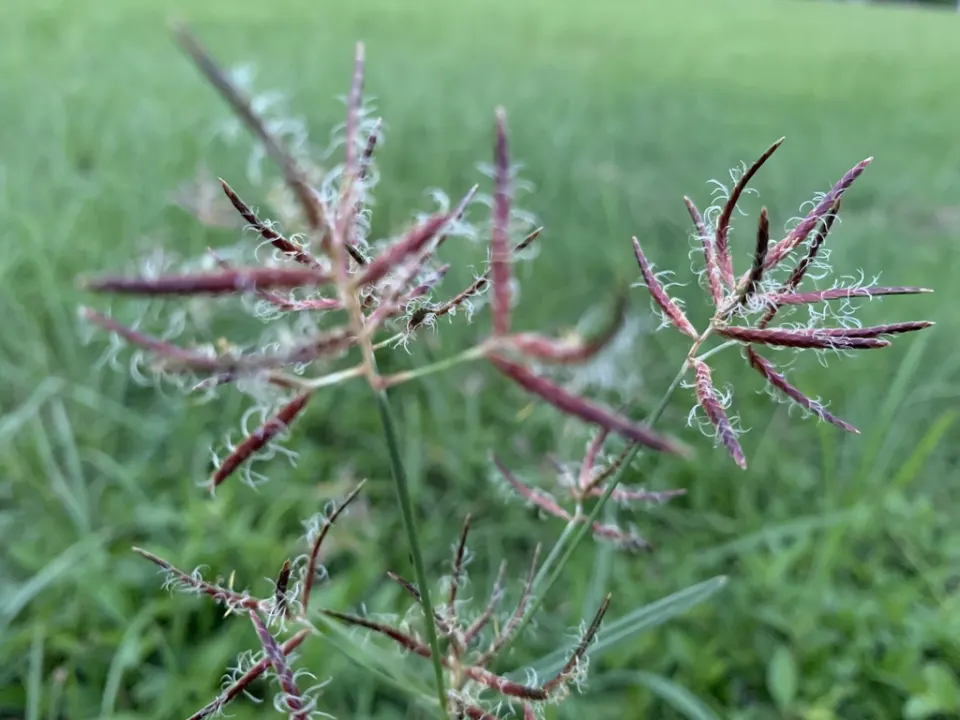
Bright green, upright clumps that outgrow the lawn. Pulling alone rarely controls an established patch.
Looks like: a grass weed, but the stem is triangular.
Photo: ni_ki via iNaturalist , CC BY 4.0, resized.
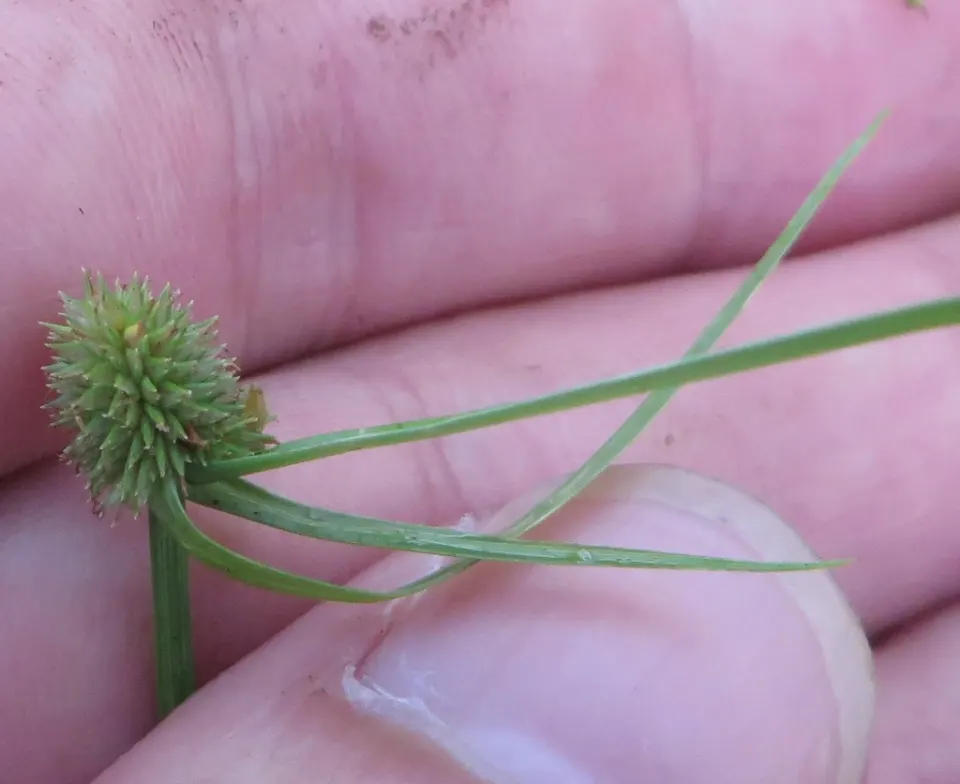
Low, dense mats of bright green sedge with round seed heads.
Photo: Ben Machado via iNaturalist , CC BY 4.0, resized.
Glossy, grass-like leaves that creep and root at the joints.
Peak season starts next monthPhoto: Ian Talty via iNaturalist , CC BY 4.0, resized.
Nothing in this category is in season in May.
Low year-round, still possible in May:
Raised tunnels and spongy soil that feels loose underfoot.
Looks like: animal digging, but with tunnels near the surface.
Easing next month Signs, photos and next steps →Photo: Edwin Wilke via iNaturalist , CC0 1.0, resized.
Yellow-to-brown patches in the sunniest, driest spots, often along drives.
Looks like: drought, but water doesn't bring it back.
Signs, photos and next steps →Photo: Leila Dasher via iNaturalist , CC BY 4.0, resized.
Thinning, yellow turf with short, dark roots. Roots are hit weeks before leaves show it.
Looks like: drought or nutrient problems.
Gray-brown oval spots with dark borders on the blades.
Photo: 余世文 via Wikimedia Commons , CC0 1.0, resized.
A white cloud when you brush the hedge, then leaf drop and thin, bare stems.
Photo: Christine Melvin via iNaturalist , CC BY 4.0, resized.
Curled, bronzed or stunted new leaves.
Looks like: herbicide drift or cold injury.
Fine speckling on leaves, sometimes with fine webbing underneath.
White waxy bumps along stems, with yellowing and sooty mold.
Photo: Agnes Trekker via iNaturalist , CC0 1.0, resized.
Older fronds with yellow-orange spots and dead, frizzled tips.
Looks like: disease, but it starts on the oldest fronds.
A shelf-like conk at the trunk base. The palm can fall; call an arborist.
Photo: Jade Fortnash via iNaturalist , CC0 1.0, resized.
Round, coin-shaped leaves spreading where the lawn stays wet.
Photo: Karen Guin via iNaturalist , CC BY 4.0, resized.
Bright green, upright clumps that outgrow the lawn. Pulling alone rarely controls an established patch.
Looks like: a grass weed, but the stem is triangular.
Photo: ni_ki via iNaturalist , CC BY 4.0, resized.
Glossy, grass-like leaves that creep and root at the joints.
Photo: Ian Talty via iNaturalist , CC BY 4.0, resized.
Low, dense mats of bright green sedge with round seed heads.
Photo: Ben Machado via iNaturalist , CC BY 4.0, resized.
Nothing in this category is in season in June.
Low year-round, still possible in June:
Yellow-to-brown patches in the sunniest, driest spots, often along drives.
Looks like: drought, but water doesn't bring it back.
Signs, photos and next steps →Photo: Leila Dasher via iNaturalist , CC BY 4.0, resized.
Thinning, yellow turf with short, dark roots. Roots are hit weeks before leaves show it.
Looks like: drought or nutrient problems.
Gray-brown oval spots with dark borders on the blades.
Photo: 余世文 via Wikimedia Commons , CC0 1.0, resized.
A white cloud when you brush the hedge, then leaf drop and thin, bare stems.
Photo: Christine Melvin via iNaturalist , CC BY 4.0, resized.
Curled, bronzed or stunted new leaves.
Looks like: herbicide drift or cold injury.
Fine speckling on leaves, sometimes with fine webbing underneath.
White waxy bumps along stems, with yellowing and sooty mold.
Photo: Agnes Trekker via iNaturalist , CC0 1.0, resized.
Older fronds with yellow-orange spots and dead, frizzled tips.
Looks like: disease, but it starts on the oldest fronds.
A shelf-like conk at the trunk base. The palm can fall; call an arborist.
Photo: Jade Fortnash via iNaturalist , CC0 1.0, resized.
Round, coin-shaped leaves spreading where the lawn stays wet.
Photo: Karen Guin via iNaturalist , CC BY 4.0, resized.
Bright green, upright clumps that outgrow the lawn. Pulling alone rarely controls an established patch.
Looks like: a grass weed, but the stem is triangular.
Photo: ni_ki via iNaturalist , CC BY 4.0, resized.
Glossy, grass-like leaves that creep and root at the joints.
Photo: Ian Talty via iNaturalist , CC BY 4.0, resized.
Low, dense mats of bright green sedge with round seed heads.
Photo: Ben Machado via iNaturalist , CC BY 4.0, resized.
Nothing in this category is in season in July.
Low year-round, still possible in July:
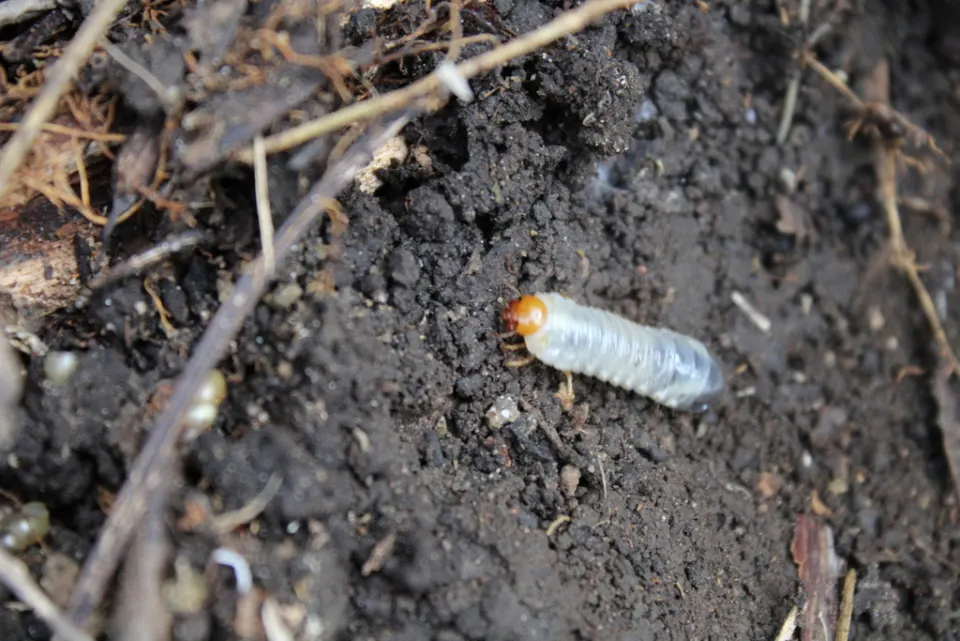
Wilting patches that peel back like carpet, with C-shaped grubs in the soil.
Looks like: drought stress, but the turf lifts with no roots.
Signs, photos and next steps →Photo: filvad via iNaturalist , CC BY 4.0, resized.
Yellow-to-brown patches in the sunniest, driest spots, often along drives.
Looks like: drought, but water doesn't bring it back.
Signs, photos and next steps →Photo: Leila Dasher via iNaturalist , CC BY 4.0, resized.
Thinning, yellow turf with short, dark roots. Roots are hit weeks before leaves show it.
Looks like: drought or nutrient problems.
Gray-brown oval spots with dark borders on the blades.
Easing next monthPhoto: 余世文 via Wikimedia Commons , CC0 1.0, resized.
A white cloud when you brush the hedge, then leaf drop and thin, bare stems.
Photo: Christine Melvin via iNaturalist , CC BY 4.0, resized.
Curled, bronzed or stunted new leaves.
Looks like: herbicide drift or cold injury.
Fine speckling on leaves, sometimes with fine webbing underneath.
Silvery, winding trails inside young leaves, which curl.
Photo: Josiah Londerée via iNaturalist , CC BY 4.0, resized.
White waxy bumps along stems, with yellowing and sooty mold.
Photo: Agnes Trekker via iNaturalist , CC0 1.0, resized.
Older fronds with yellow-orange spots and dead, frizzled tips.
Looks like: disease, but it starts on the oldest fronds.
A shelf-like conk at the trunk base. The palm can fall; call an arborist.
Photo: Jade Fortnash via iNaturalist , CC0 1.0, resized.
Round, coin-shaped leaves spreading where the lawn stays wet.
Photo: Karen Guin via iNaturalist , CC BY 4.0, resized.
Bright green, upright clumps that outgrow the lawn. Pulling alone rarely controls an established patch.
Looks like: a grass weed, but the stem is triangular.
Photo: ni_ki via iNaturalist , CC BY 4.0, resized.
Glossy, grass-like leaves that creep and root at the joints.
Photo: Ian Talty via iNaturalist , CC BY 4.0, resized.
Low, dense mats of bright green sedge with round seed heads.
Photo: Ben Machado via iNaturalist , CC BY 4.0, resized.
Nothing in this category is in season in August.
Low year-round, still possible in August:
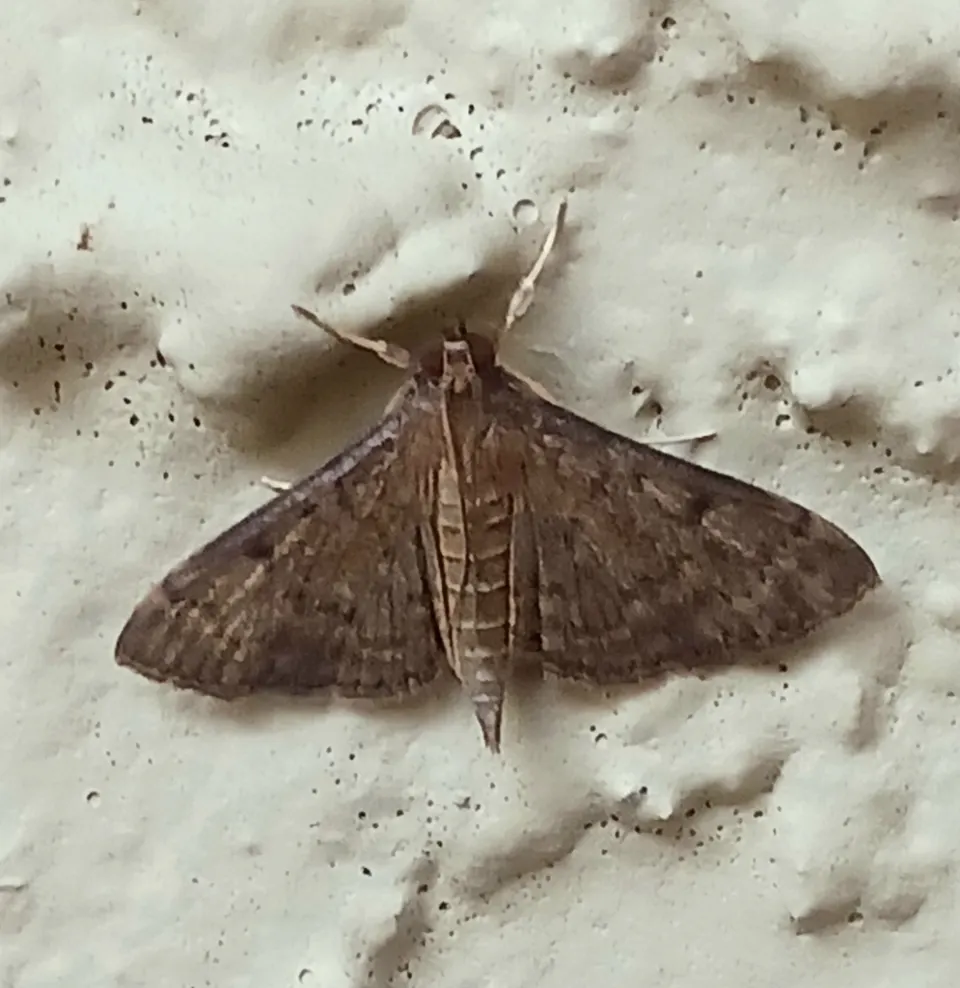
Notched, chewed blades and ragged patches. The larvae do the damage; moths flying up at dusk mean it is time to look.
Looks like: chinch bug or drought patches, but the blades are chewed.
Signs, photos and next steps →Photo: Luiz Puodzius via iNaturalist , CC BY 4.0, resized.
Wilting patches that peel back like carpet, with C-shaped grubs in the soil.
Looks like: drought stress, but the turf lifts with no roots.
Signs, photos and next steps →Photo: filvad via iNaturalist , CC BY 4.0, resized.
Large areas browned almost overnight, with caterpillars feeding in groups.
Looks like: sod webworm, but the damage is even and fast.
Signs, photos and next steps →Photo: Helio Lourencini via iNaturalist , CC BY 4.0, resized.
Raised tunnels and spongy soil that feels loose underfoot.
Looks like: animal digging, but with tunnels near the surface.
Signs, photos and next steps →Photo: Edwin Wilke via iNaturalist , CC0 1.0, resized.
Yellow-to-brown patches in the sunniest, driest spots, often along drives.
Looks like: drought, but water doesn't bring it back.
Easing next month Signs, photos and next steps →Photo: Leila Dasher via iNaturalist , CC BY 4.0, resized.
Thinning, yellow turf with short, dark roots. Roots are hit weeks before leaves show it.
Looks like: drought or nutrient problems.
Easing next month Gray-brown oval spots with dark borders on the blades.
Photo: 余世文 via Wikimedia Commons , CC0 1.0, resized.
A white cloud when you brush the hedge, then leaf drop and thin, bare stems.
Photo: Christine Melvin via iNaturalist , CC BY 4.0, resized.
Curled, bronzed or stunted new leaves.
Looks like: herbicide drift or cold injury.
Fine speckling on leaves, sometimes with fine webbing underneath.
Tiny insects tilted head-down on new citrus growth.
Photo: Sandra H Statner via iNaturalist , CC BY 4.0, resized.
Silvery, winding trails inside young leaves, which curl.
Photo: Josiah Londerée via iNaturalist , CC BY 4.0, resized.
White waxy bumps along stems, with yellowing and sooty mold.
Photo: Agnes Trekker via iNaturalist , CC0 1.0, resized.
Older fronds with yellow-orange spots and dead, frizzled tips.
Looks like: disease, but it starts on the oldest fronds.
Easing next month A shelf-like conk at the trunk base. The palm can fall; call an arborist.
Photo: Jade Fortnash via iNaturalist , CC0 1.0, resized.
Round, coin-shaped leaves spreading where the lawn stays wet.
Photo: Karen Guin via iNaturalist , CC BY 4.0, resized.
Bright green, upright clumps that outgrow the lawn. Pulling alone rarely controls an established patch.
Looks like: a grass weed, but the stem is triangular.
Easing next monthPhoto: ni_ki via iNaturalist , CC BY 4.0, resized.
Glossy, grass-like leaves that creep and root at the joints.
Easing next monthPhoto: Ian Talty via iNaturalist , CC BY 4.0, resized.
Low, dense mats of bright green sedge with round seed heads.
Easing next monthPhoto: Ben Machado via iNaturalist , CC BY 4.0, resized.
Nothing in this category is in season in September.
Low year-round, still possible in September:
Notched, chewed blades and ragged patches. The larvae do the damage; moths flying up at dusk mean it is time to look.
Looks like: chinch bug or drought patches, but the blades are chewed.
Signs, photos and next steps →Photo: Luiz Puodzius via iNaturalist , CC BY 4.0, resized.
Wilting patches that peel back like carpet, with C-shaped grubs in the soil.
Looks like: drought stress, but the turf lifts with no roots.
Easing next month Signs, photos and next steps →Photo: filvad via iNaturalist , CC BY 4.0, resized.
Large areas browned almost overnight, with caterpillars feeding in groups.
Looks like: sod webworm, but the damage is even and fast.
Easing next month Signs, photos and next steps →Photo: Helio Lourencini via iNaturalist , CC BY 4.0, resized.
Raised tunnels and spongy soil that feels loose underfoot.
Looks like: animal digging, but with tunnels near the surface.
Easing next month Signs, photos and next steps →Photo: Edwin Wilke via iNaturalist , CC0 1.0, resized.
Thinning, yellow turf with short, dark roots. Roots are hit weeks before leaves show it.
Looks like: drought or nutrient problems.
A white cloud when you brush the hedge, then leaf drop and thin, bare stems.
Easing next monthPhoto: Christine Melvin via iNaturalist , CC BY 4.0, resized.
Curled, bronzed or stunted new leaves.
Looks like: herbicide drift or cold injury.
Easing next monthFine speckling on leaves, sometimes with fine webbing underneath.
Easing next month Tiny insects tilted head-down on new citrus growth.
Easing next monthPhoto: Sandra H Statner via iNaturalist , CC BY 4.0, resized.
Silvery, winding trails inside young leaves, which curl.
Easing next monthPhoto: Josiah Londerée via iNaturalist , CC BY 4.0, resized.
White waxy bumps along stems, with yellowing and sooty mold.
Photo: Agnes Trekker via iNaturalist , CC0 1.0, resized.
Blotchy, uneven yellowing on leaves and small, lopsided fruit.
Looks like: nutrient deficiency, but the yellowing is not symmetrical.
Photo: USDAgov via Wikimedia Commons , public domain, resized.
A shelf-like conk at the trunk base. The palm can fall; call an arborist.
Photo: Jade Fortnash via iNaturalist , CC0 1.0, resized.
Round, coin-shaped leaves spreading where the lawn stays wet.
Easing next monthPhoto: Karen Guin via iNaturalist , CC BY 4.0, resized.
Glossy, grass-like leaves that creep and root at the joints.
Photo: Ian Talty via iNaturalist , CC BY 4.0, resized.
Flat rosettes appearing as nights cool.
Photo: Sterling Herron via iNaturalist , CC0 1.0, resized.
Nothing in this category is in season in October.
Low year-round, still possible in October:
Notched, chewed blades and ragged patches. The larvae do the damage; moths flying up at dusk mean it is time to look.
Looks like: chinch bug or drought patches, but the blades are chewed.
Easing next month Signs, photos and next steps →Photo: Luiz Puodzius via iNaturalist , CC BY 4.0, resized.
Yellow-orange rings that brown as nights cool. Blades pull free at the base.
Looks like: take-all, but the rot is at the leaf base, not the roots.
Peak season starts next month White waxy bumps along stems, with yellowing and sooty mold.
Easing next monthPhoto: Agnes Trekker via iNaturalist , CC0 1.0, resized.
Blotchy, uneven yellowing on leaves and small, lopsided fruit.
Looks like: nutrient deficiency, but the yellowing is not symmetrical.
Photo: USDAgov via Wikimedia Commons , public domain, resized.
A shelf-like conk at the trunk base. The palm can fall; call an arborist.
Photo: Jade Fortnash via iNaturalist , CC0 1.0, resized.
Flat rosettes appearing as nights cool.
Peak season starts next monthPhoto: Sterling Herron via iNaturalist , CC0 1.0, resized.
Nothing in this category is in season in November.
Low year-round, still possible in November:
Yellow-orange rings that brown as nights cool. Blades pull free at the base.
Looks like: take-all, but the rot is at the leaf base, not the roots.
Blotchy, uneven yellowing on leaves and small, lopsided fruit.
Looks like: nutrient deficiency, but the yellowing is not symmetrical.
Photo: USDAgov via Wikimedia Commons , public domain, resized.
A shelf-like conk at the trunk base. The palm can fall; call an arborist.
Photo: Jade Fortnash via iNaturalist , CC0 1.0, resized.
Flat rosettes appearing as nights cool.
Photo: Sterling Herron via iNaturalist , CC0 1.0, resized.
Nothing in this category is in season in December.
Low year-round, still possible in December:
| Issue | Jan | Feb | Mar | Apr | May | Jun | Jul | Aug | Sep | Oct | Nov | Dec |
|---|---|---|---|---|---|---|---|---|---|---|---|---|
| Lawn | ||||||||||||
| Tropical sod webworm St. Augustine, Bermuda, Bahia | January: Low year-round | February: Low year-round | March: Low year-round | April: Low year-round | May: Low year-round | June: Low year-round | July: Low year-round | August: Low year-round | September: Peak season | October: Peak season | November: Peak season | December: Low year-round |
| White grubs All grasses | January: Low year-round | February: Low year-round | March: Low year-round | April: Low year-round | May: Low year-round | June: Low year-round | July: Low year-round | August: Peak season | September: Peak season | October: Peak season | November: Low year-round | December: Low year-round |
| Fall armyworm All grasses, Bermuda most | January: Low year-round | February: Low year-round | March: Low year-round | April: Peak season | May: Peak season | June: Low year-round | July: Low year-round | August: Low year-round | September: Peak season | October: Peak season | November: Low year-round | December: Low year-round |
| Mole crickets Bahia, Bermuda | January: Low year-round | February: Low year-round | March: Peak season | April: Peak season | May: Peak season | June: Peak season | July: Low year-round | August: Low year-round | September: Peak season | October: Peak season | November: Low year-round | December: Low year-round |
| Chinch bugs St. Augustine | January: Low year-round | February: Low year-round | March: Low year-round | April: Low year-round | May: Peak season | June: Peak season | July: Peak season | August: Peak season | September: Peak season | October: Low year-round | November: Low year-round | December: Low year-round |
| Take-all root rot St. Augustine, Bermuda | January: Off season | February: Off season | March: Off season | April: In season | May: In season | June: Peak season | July: Peak season | August: Peak season | September: Peak season | October: In season | November: Off season | December: Off season |
| Gray leaf spot St. Augustine | January: Off season | February: Off season | March: Off season | April: Off season | May: In season | June: Peak season | July: Peak season | August: Peak season | September: In season | October: Off season | November: Off season | December: Off season |
| Large patch St. Augustine, Zoysia | January: Peak season | February: Peak season | March: In season | April: In season | May: In season | June: Off season | July: Off season | August: Off season | September: Off season | October: Off season | November: In season | December: Peak season |
| Shrubs & trees | ||||||||||||
| Ficus whitefly Ficus hedges | January: Low year-round | February: Low year-round | March: Low year-round | April: Low year-round | May: Peak season | June: Peak season | July: Peak season | August: Peak season | September: Peak season | October: Peak season | November: Low year-round | December: Low year-round |
| Chilli thrips New growth on many shrubs | January: Low year-round | February: Low year-round | March: Low year-round | April: Low year-round | May: Peak season | June: Peak season | July: Peak season | August: Peak season | September: Peak season | October: Peak season | November: Low year-round | December: Low year-round |
| Spider mites Dry, dusty shrubs | January: Low year-round | February: Low year-round | March: Low year-round | April: Peak season | May: Peak season | June: Peak season | July: Peak season | August: Peak season | September: Peak season | October: Peak season | November: Low year-round | December: Low year-round |
| Aphids New growth | January: Low year-round | February: Peak season | March: Peak season | April: Peak season | May: Low year-round | June: Low year-round | July: Low year-round | August: Low year-round | September: Low year-round | October: Low year-round | November: Low year-round | December: Low year-round |
| Asian citrus psyllid Citrus new flush | January: Low year-round | February: Low year-round | March: Peak season | April: Peak season | May: Peak season | June: Low year-round | July: Low year-round | August: Low year-round | September: Peak season | October: Peak season | November: Low year-round | December: Low year-round |
| Citrus leafminer Young citrus leaves | January: Low year-round | February: Low year-round | March: Low year-round | April: Peak season | May: Peak season | June: Low year-round | July: Low year-round | August: Peak season | September: Peak season | October: Peak season | November: Low year-round | December: Low year-round |
| Florida wax scale Hollies and other shrubs | January: Low year-round | February: Low year-round | March: Low year-round | April: Peak season | May: Peak season | June: Peak season | July: Peak season | August: Peak season | September: Peak season | October: Peak season | November: Peak season | December: Low year-round |
| Potassium deficiency Palms | January: Low year-round | February: Low year-round | March: Low year-round | April: Low year-round | May: Low year-round | June: Peak season | July: Peak season | August: Peak season | September: Peak season | October: Low year-round | November: Low year-round | December: Low year-round |
| Ganoderma butt rot (info) Palms | January: In season | February: In season | March: In season | April: In season | May: In season | June: In season | July: In season | August: In season | September: In season | October: In season | November: In season | December: In season |
| Citrus greening (info) Citrus | January: Peak season | February: Peak season | March: Peak season | April: Low year-round | May: Low year-round | June: Low year-round | July: Low year-round | August: Low year-round | September: Low year-round | October: Peak season | November: Peak season | December: Peak season |
| Weeds | ||||||||||||
| Dollarweed Wet spots | January: Low year-round | February: Low year-round | March: Peak season | April: Peak season | May: Peak season | June: Peak season | July: Peak season | August: Peak season | September: Peak season | October: Peak season | November: Low year-round | December: Low year-round |
| Nutsedge Irrigated lawns | January: Low year-round | February: Low year-round | March: Low year-round | April: Low year-round | May: Peak season | June: Peak season | July: Peak season | August: Peak season | September: Peak season | October: Low year-round | November: Low year-round | December: Low year-round |
| Doveweed Wet, thin lawns | January: Off season | February: Off season | March: Off season | April: In season | May: In season | June: Peak season | July: Peak season | August: Peak season | September: Peak season | October: In season | November: Off season | December: Off season |
| Green kyllinga Wet lawns | January: Low year-round | February: Low year-round | March: Low year-round | April: Low year-round | May: Peak season | June: Peak season | July: Peak season | August: Peak season | September: Peak season | October: Low year-round | November: Low year-round | December: Low year-round |
| Winter weeds (cudweed) Thin lawns | January: Peak season | February: Peak season | March: Peak season | April: In season | May: Off season | June: Off season | July: Off season | August: Off season | September: Off season | October: In season | November: In season | December: Peak season |
.jpg)
