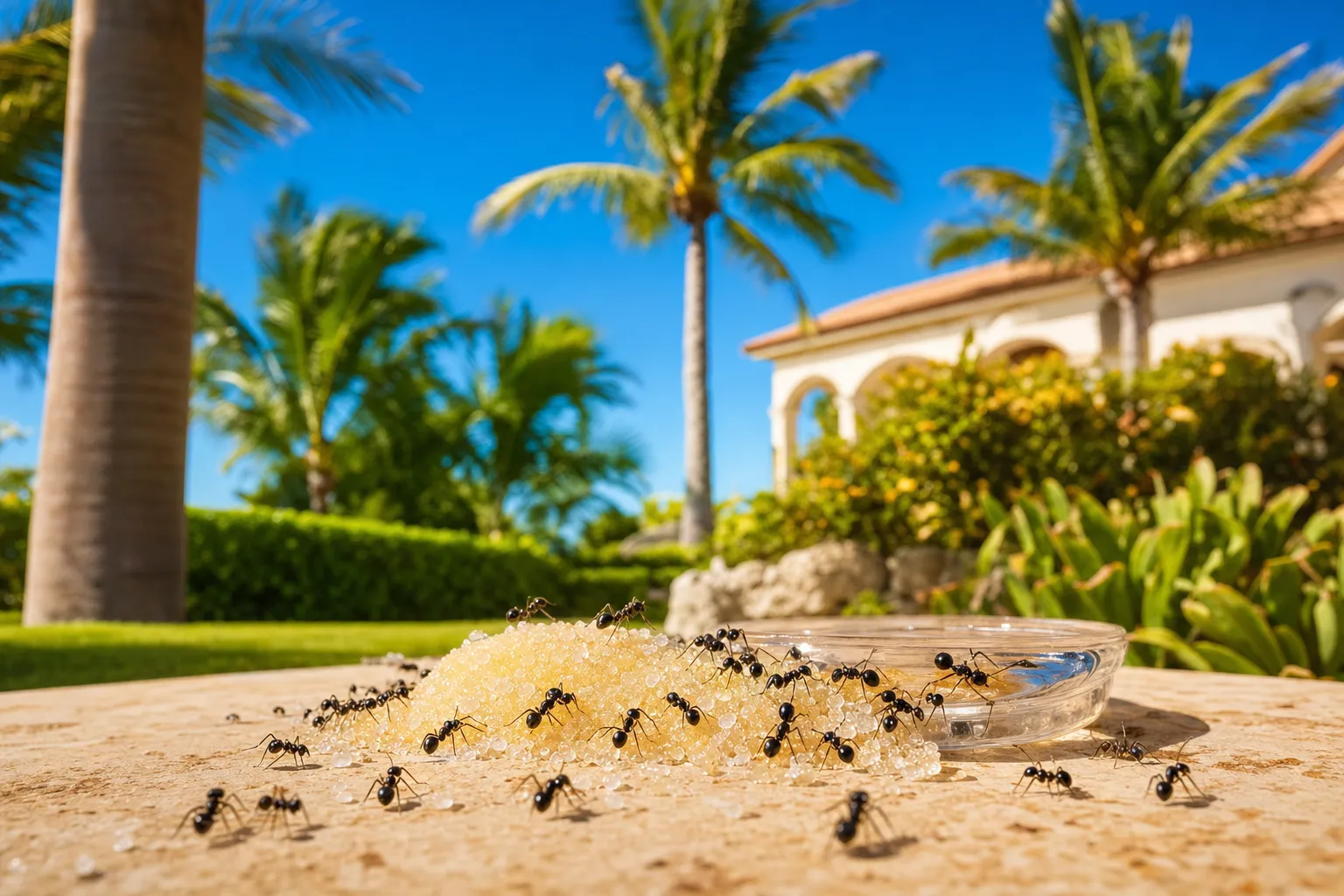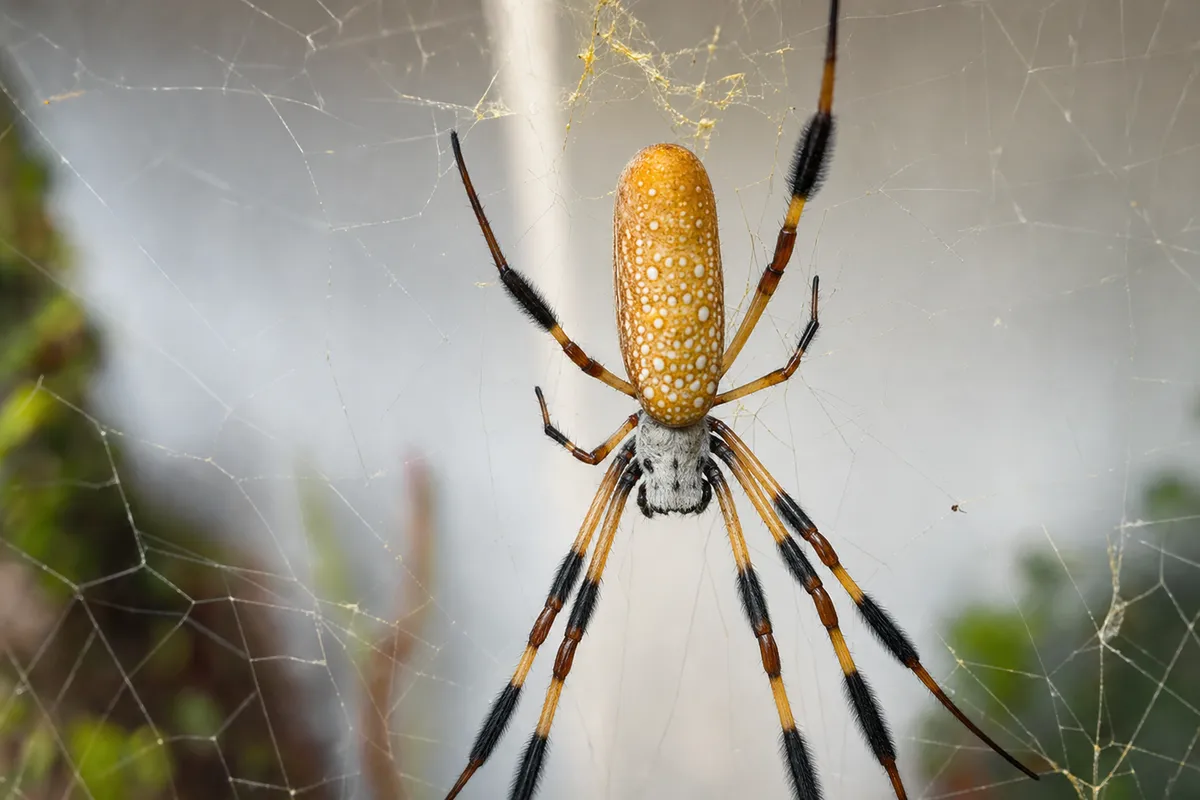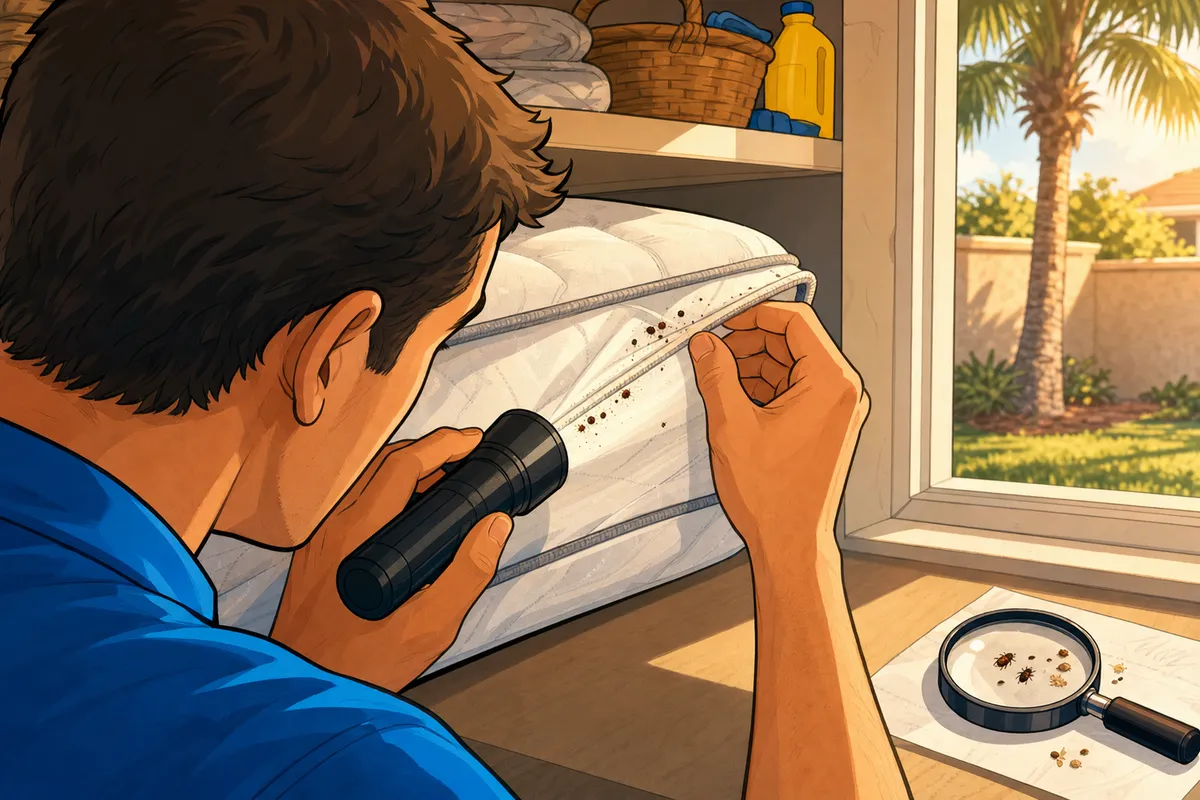
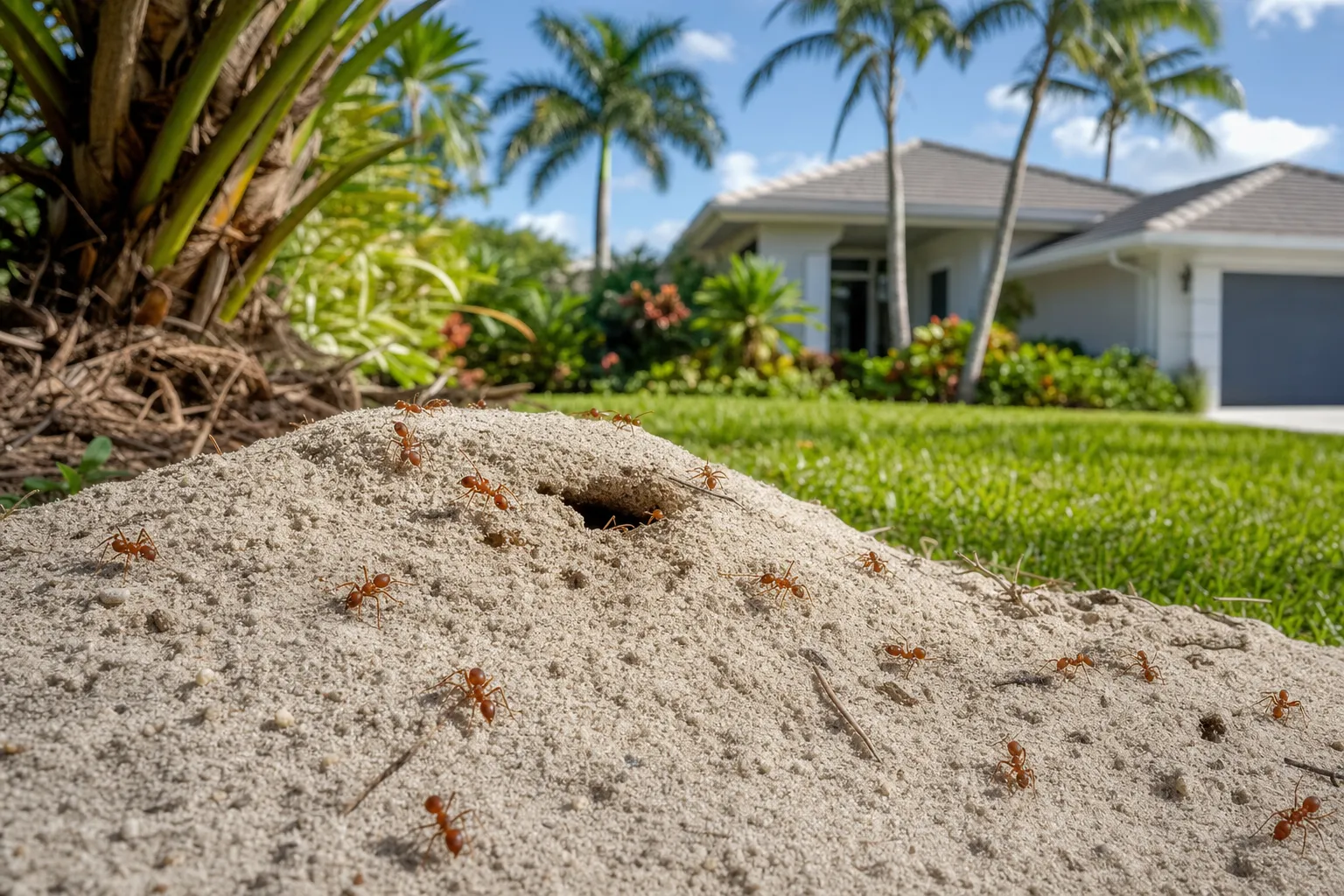
If you have lived in Southwest Florida for longer than one rainy season, you already know the truth: ants are not a “spring problem” here. They are a Tuesday problem, a Christmas-morning problem, and a stand-on-the-driveway-barefoot-for-three-seconds problem. Sandy soil drains fast, afternoon storms flood colonies out of the ground, and St. Augustine grass gives them a shady highway right up to your slab. The good news? Most of the ants marching across your kitchen counter are nuisance ants — annoying, but harmless. The not-so-good news is that a handful of Florida species actually bite, sting, or chew structural wood, and those are the ones worth learning to recognize.
This guide walks through the ants in Florida that earn the word “dangerous,” how to tell them apart in your own yard, and what to do (and not do) before the colony triples in size. For a broader look at everything that crawls in this state, our pest library has the rest of the rogues’ gallery.
Already seeing mounds, sawdust trails, or a stinging-ant problem you do not want to mess with? Skip the DIY rabbit hole and book a pest control service — the species ID alone usually saves a weekend.
Which Ants in Florida Actually Bite?
Short version: fire ants and Asian needle ants sting (that’s the burning, welt-raising pain most people mean by “bite”), Florida carpenter ants and crazy ants bite with their jaws — it pinches but does no real damage — and the tiny ants on your counter, ghost ants and white-footed ants, essentially never bother people at all. If you got a genuinely painful welt in a Southwest Florida yard, fire ants are the overwhelming favorite; if it happened while you were moving mulch or pavers in a shady bed, put Asian needle ant on the list.
Is there a bullet ant in Florida?
No. The bullet ant (Paraponera clavata) — the one with the famously agonizing sting — lives in Central and South American rainforests, not Florida. It shows up in searches here because people reach for the most dramatic name they know after a bad sting. What you almost certainly met was a red imported fire ant, or possibly an Asian needle ant, both of which are covered below.
What “Dangerous” Actually Means With Florida Ants
“Dangerous” is doing a lot of work in that headline, so let us split it into two buckets:
- Dangerous to people and pets. These are the ants that sting, bite hard enough to break skin, or trigger allergic reactions. Fire ants are the headline act, but they are not alone anymore.
- Dangerous to your house. A few species chew, tunnel, or nest inside wall voids and wood framing. They will not put you in the ER, but they can run up a four-figure repair bill if ignored.
A single colony can sit in your yard for months before you notice it. By the time you are seeing trails on the patio, the nest is usually established, and the queen (or queens — more on that later) is laying full-time. That is why early ID matters more than any spray you can buy at the big-box store.
Seasonal pressure
Southwest Florida pest pressure through the year
- Spring Mar–MayBuilding
Warming weather wakes colonies up — activity climbs week over week.
- Summer / rainy season Jun–AugPeak
Heat + humidity + standing water = the year’s heaviest pressure.
- Hurricane season Sep–OctSurge
Storms and flooding push pests indoors looking for dry shelter.
- Fall NovActive
Cooler nights slow things down, but activity stays well above zero.
- Winter Dec–FebLower (not zero)
Our mild winters keep many pests going year-round indoors.
Summer / rainy season & Hurricane season run hottest. Ant pressure in Southwest Florida never really hits zero — colonies just shift between foraging, flooding, and reproductive flights depending on rain and temperature.
The Florida Ants Worth Knowing By Name
1. Red Imported Fire Ant (Solenopsis invicta)
The one everyone has met. Reddish-brown, about 1/8 inch, builds those fluffy dome-shaped mounds in sunny lawn edges, sidewalk cracks, and along driveways. Disturb a mound and the workers boil out in seconds — they grip with their jaws, then sting repeatedly, leaving the classic ring of itchy white pustules.
Why they matter: fire ant venom causes a real allergic reaction in a meaningful slice of the population, and a kid or pet that steps in a mound can take dozens of stings in under a minute. They also short out irrigation controllers, AC contactors, and pool-pump junction boxes — they are weirdly attracted to electrical fields.
2. Florida Carpenter Ant (Camponotus floridanus and C. tortuganus)
The big ones. Workers run 1/4 to 1/2 inch, two-tone (reddish head and thorax, black abdomen), and they are most active at night. You will see them trailing along fascia boards, soffits, and the underside of pool cages, especially after dark.
Florida carpenter ants do not eat wood the way termites do, but they hollow out galleries in damp or already-damaged wood to nest. Around here that usually means a soft spot under a leaking window, the wood inside a screen-enclosure post, or palm-tree stumps left in the landscape. The damage is slower than termite damage, but it is real, and a mature colony can hold 8,000+ workers.
3. Caribbean Crazy Ant / Tawny Crazy Ant (Nylanderia spp.)
Small, uniformly reddish-brown, and named for the way they run — fast, erratic, no clear trail. Massive supercolonies with multiple queens, which is the part that makes them ugly. Once they are established on a property, they push native ants (including fire ants) out and form mats of workers thick enough to clog AC units, well pumps, and electrical equipment.
If your yard suddenly looks like the dirt is moving, this is the one. Most over-the-counter sprays barely dent them because the colony is too big and too distributed to knock down from the surface.
4. Asian Needle Ant (Brachyponera chinensis)
The newer face on the list. Slow-moving, shiny dark brown to black, with a noticeable stinger. Their sting is genuinely painful and — like fire ants — has been documented to cause anaphylaxis in sensitive people. They prefer shaded, moist areas: under mulch, logs, pavers, and landscape timbers.
Asian needle ants have been expanding across the Southeast, and Florida yards with heavy mulch beds and irrigation are exactly the habitat they like. They are easy to miss because they do not form obvious trails.
5. Ghost Ant (Tapinoma melanocephalum)
Tiny — about 1/16 inch — with a dark head and a pale, almost translucent abdomen. Ghost ants are not dangerous in the sting sense, but they earn a spot here because they are one of the hardest household ants to evict in Florida. They nest in wall voids, behind baseboards, in potted plants, and in any warm crack near moisture. They bud (split into satellite colonies) the second you hit them with a repellent spray, which is why DIY usually makes the problem bigger.
| Ant | Bites or stings? | What it feels like | Where you meet it |
|---|---|---|---|
| Red imported fire ant | Stings (repeatedly) | Immediate burn, then itchy white pustules | Sunny lawn mounds, sidewalk cracks, driveways |
| Asian needle ant | Stings | Sharp, lingering pain; anaphylaxis risk in sensitive people | Under mulch, logs, pavers, landscape timbers |
| Florida carpenter ant | Bites (jaws) | A pinch — startling, not damaging | Fascia, soffits, pool cages, at night |
| Caribbean crazy ant | Bites (jaws) | Barely noticeable individually | Erratic mats across patios and AC pads |
| Ghost ant | Essentially never | N/A | Kitchen and bathroom counters |
Sting vs. bite matters: stingers inject venom (and carry allergy risk); jaw-biters just pinch.
On every inspection
What our techs look for on an ant inspection
- Mound shape & soil Fluffy domes in sun = fire ants. Loose tailings near wood = carpenter ants.
- Trail behavior Straight, persistent lines = most household species. Erratic mats = crazy ants.
- Size & color split Two-tone large workers point to carpenter ants; pale abdomens point to ghost ants.
- Frass & wood shavings Sawdust-looking piles under trim or pool-cage posts are a carpenter-ant tell.
- Stinger visibility A clearly hinged abdomen with a stinger on a small dark ant = Asian needle ant suspicion.
- Electrical boxes Workers inside irrigation timers or AC contactors point to fire ants or crazy ants.
A quick field ID changes the whole treatment plan — bait choice, perimeter strategy, and whether we need to open a wall void.
Why Southwest Florida Is Such Easy Mode For Ants
A few things stack the deck:
- Sandy soil. Easy to tunnel, drains fast after storms, and lets colonies rebuild mounds within hours of a flood-out.
- Year-round warmth. Colonies never go fully dormant. A mild January simply means slower foraging, not a die-off.
- Afternoon storms. Heavy rain forces underground colonies up — which is why you see fire-ant mounds “appear overnight” in June and July.
- St. Augustine lawns. Dense thatch and shaded soil at the blade base is perfect cover for foraging trails, especially up against slab edges and driveway expansion joints.
- Irrigated landscape beds. Mulch + drip irrigation = the exact humid microclimate Asian needle ants, ghost ants, and carpenter ants want.
From Bradenton down through Sarasota, Venice, and Port Charlotte, almost every property we treat has at least two of those five conditions working against it. That is not bad luck; that is just Florida.
Pro tip: If you spot a fire-ant mound, do NOT kick it, hose it, or pour gasoline on it (yes, people still do this). All three of those reactions either move the queen to a new spot in your yard or — in the gasoline case — poison your soil and kill the St. Augustine around it for a year. Bait the mound, or leave it alone until a tech can treat it.
Homeowner Playbook: What To Do Before You Call
You do not need to become an entomologist, but a few safe checks will make any pro visit faster and cheaper.
Safe things to do yourself:
- Walk the perimeter of the slab and note where you see trails entering — door thresholds, weep holes, AC line penetrations, hose-bib boxes.
- Photograph any mound or trail before you disturb it. Color, size, and trail behavior are the easiest ID clues for a tech reviewing photos.
- Pull mulch back 2–3 inches from the foundation. Ghost ants and Asian needle ants love that mulch-against-stucco contact zone.
- Fix the obvious moisture sources: a dripping hose bib, a clogged gutter dumping against the slab, a sprinkler head spraying the house instead of the lawn.
- Keep pet food bowls off the floor overnight, and rinse recyclables before they hit the bin in the garage.
Things to skip:
- Hardware-store “ant killer” sprays on indoor trails. With ghost ants, white-footed ants, and crazy ants, contact sprays trigger budding — you will turn one colony into five.
- Boiling water on fire-ant mounds. It kills the surface workers, not the queen, and it scorches your lawn.
- Mixing baits. If you put down three different baits on the same trail, the ants pick the least toxic one and ignore the rest.
When to call a pro (today, not next month):
- You have been stung, or someone in the household has a known insect-sting allergy.
- You are seeing two-tone large ants inside the house at night — possible carpenter-ant satellite nest in a wall void.
- The “trail” is actually a moving mat of small ants across the patio or AC pad — classic crazy-ant signature.
- Sprays have made the problem worse or pushed ants into new rooms.
How Waves Handles Dangerous Ants
We do not show up with a single jug of spray and call it a day. A real ant treatment in Southwest Florida usually means:
- Species ID first. Different ants need different baits and different placements. Indoxacarb gel works beautifully on ghost ants and carpenter ants; fipronil granules in the lawn handle fire ants and crazy-ant pressure at the property edge.
- Non-repellent perimeter where it matters. For budding species, we lean on non-repellent products so workers carry the active back to the queen instead of scattering away from it.
- Targeted bait for mounds and voids. Fire-ant mounds get a direct treatment plus a broadcast bait so satellite mounds do not just pop up six feet away. Carpenter-ant galleries get void treatment, not surface spray.
- Ongoing pressure management. Florida does not let you “fix” ants once and walk away. Our WaveGuard membership keeps the perimeter charged year-round so the next colony that tries to move in from the neighbor’s yard hits a wall before it hits your slab.
If you want a sanity check on what an ongoing program looks like versus a one-and-done call, this is roughly how it shakes out:
| What you get | One-time ant call | WaveGuard Quarterly |
|---|---|---|
| Species ID & inspection | Yes, at the visit | Every visit, year-round |
| Interior treatment if needed | Yes | Included on request |
| Exterior perimeter barrier | Single application | Refreshed every quarter |
| Re-treats between visits | Not included | Free between scheduled visits |
| Covers other common pests | Ants only | Roaches, spiders, silverfish & more |
| Best for | Spot problems | Year-round Florida pressure |
A one-time call clears the active colony; a quarterly program keeps the next one from setting up shop.
Curious what a treatment actually runs at your address? Our pest control calculator gives you a no-pressure estimate without anyone calling you in 90 seconds.
For deeper dives on the two species most likely to land you in this article, check our walkthroughs on how we get rid of fire ants and how we get rid of carpenter ants — both cover what an actual service visit looks like.
Frequently Asked Questions
What is the most dangerous ant in Florida?
By raw medical risk, it is still the red imported fire ant — the venom causes allergic reactions in a measurable share of the population and a disturbed mound can deliver dozens of stings in seconds. The Asian needle ant is climbing the list quickly because its sting has also been linked to anaphylaxis and the species is spreading through shady, mulched yards across the Southeast.
Are Florida carpenter ants as destructive as termites?
No, but they are not harmless either. Carpenter ants do not eat wood — they excavate galleries in wood that is already damp or damaged. Termite damage is faster and more widespread, but a mature carpenter-ant colony left in a wall void for a couple of years will produce real, visible structural damage and is a sign you also have a moisture problem to fix.
Why do over-the-counter sprays make my ant problem worse?
Because several of Florida’s worst household species — ghost ants, white-footed ants, Caribbean crazy ants — respond to repellent sprays by “budding.” The colony splits into multiple satellite colonies, each with its own queen, and disperses. You go from one trail under the sink to four trails in four rooms. Professional treatments lean on non-repellent products and baits specifically to avoid that outcome.
Ready To Stop Guessing Which Ant You Have?
You do not need to memorize five species. You just need somebody on the truck who already has. If you are seeing trails, mounds, or anything resembling the photos above, book a Waves pest control visit and we will ID the species, treat what is active, and set you up so the next colony has a harder time than the last one. Call or text us at (941) 297-5749 — we cover Manatee, Sarasota, and Charlotte Counties seven days a week.