Jump to a section (9)
- 01How do you prevent termites in Sarasota?
- 02Inside clues: when your house starts whispering
- 03Outside signs: the neighborhoods termites build
- 04Drywood vs. subterranean: Sarasota’s two termite groups
- 05Why Sarasota is prime termite territory
- 06Smart Sarasota habits that lower your termite risk
- 07What does termite control in Sarasota involve?
- 08What Waves Pest Control does for Sarasota termites
- 09Quick answers on termites in Sarasota
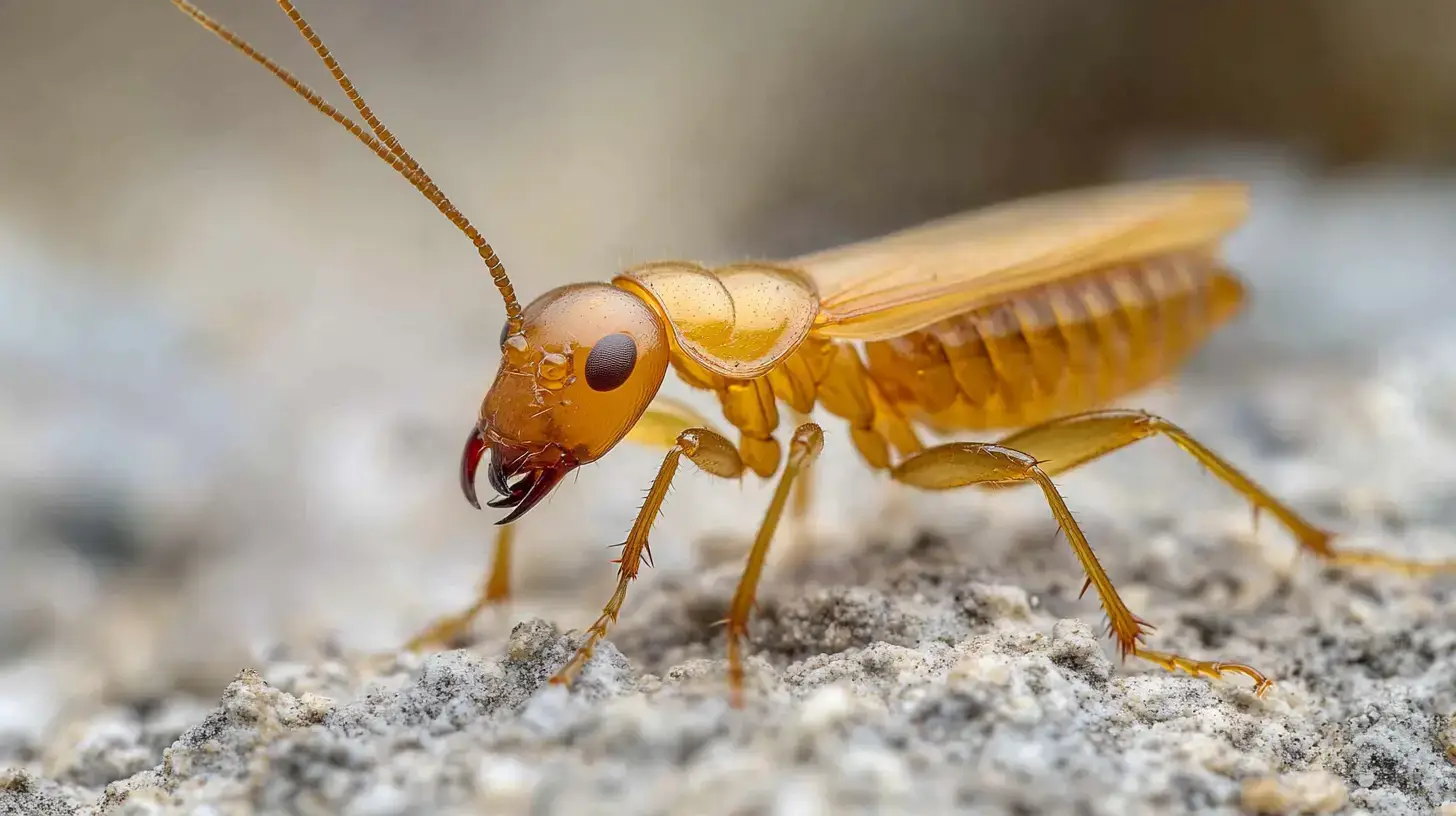
A termite infestation in Sarasota tends to start small and quiet. The clue might be a little pile of pellets on a windowsill, a pencil-thin mud line climbing the stucco, or a scatter of wings by the slider after a warm spring evening. Florida has 20 established termite species, more than any other state, according to UF/IFAS termite researchers, so the first job is figuring out which kind you have.
This guide walks through the signs inside and outside your house, the two groups of termites Sarasota homes deal with, how prevention works on a slab home here, and what termite control in Sarasota looks like once a colony is confirmed.

How do you prevent termites in Sarasota?
Termite prevention in Sarasota comes down to two jobs: remove the conditions that invite subterranean termites to your slab, and keep protection in place after the builder’s coverage runs out.
Most Sarasota homes sit on a slab. Crawl spaces are rare here because of the high water table, so the trouble spots sit right at the base of your walls. These are the conditions inspectors flag for subterranean termites:
- Mulch or soil banked against the stucco above the slab line. It gives termites a hidden path from the soil to the wall. Pull it back so the slab edge shows.
- Wood touching soil. Fence posts, deck posts and stacked lumber against the house all count. Stack firewood and spare lumber off the ground and away from the walls.
- Chronic moisture at the foundation. A dripping AC condensate line or a sprinkler head that soaks the same corner every morning keeps the soil damp where termites want it. Afternoon storms already do plenty of that on our sandy soil.
- Form boards or cellulose debris left under or against the slab. Builders sometimes leave scrap wood behind. Ask an inspector to look for it.
New homes start with some protection built in. Florida Building Code requires every new home to have subterranean termite protection installed during construction by a licensed pest control operator, either a soil pre-treatment or an approved alternative system. Look for the “Notice of Termite Protection” sign near the electrical panel or in the attic. The builder’s termite warranty is time-limited and often expires a few years after closing, so a newer home in Palmer Ranch or The Meadows can be past its coverage without the owner knowing.
After that, prevention means monitoring: a yearly termite inspection or an in-ground bait station program that someone checks on a schedule.
Inside clues: when your house starts whispering
Termites work from the inside of the wood out, so the early signs inside are subtle. These are clues worth a closer look, not a diagnosis:
- Wood that sounds hollow when you tap a baseboard, door frame or window trim.
- Paint that bubbles or blisters on wood trim with no plumbing leak behind it.
- Doors and windows that start to stick in frames that used to move freely.
- Small piles of pellets under trim, on windowsills or below cabinets.
That last one matters most. Per UF/IFAS, each small, isolated drywood colony produces droppings that show up year-round coming out of cabinets, windowsills or wood furniture. The pellets can pass for sawdust or coffee grounds at a glance. If you sweep them up and a fresh pile appears in the same spot, something is still feeding in that wood. Our guide to drywood termites covers what comes next.
Outside signs: the neighborhoods termites build
Walk the outside of the house slowly, preferably a day or two after a summer downpour. Look low, at the slab line and the bottom few feet of wall.
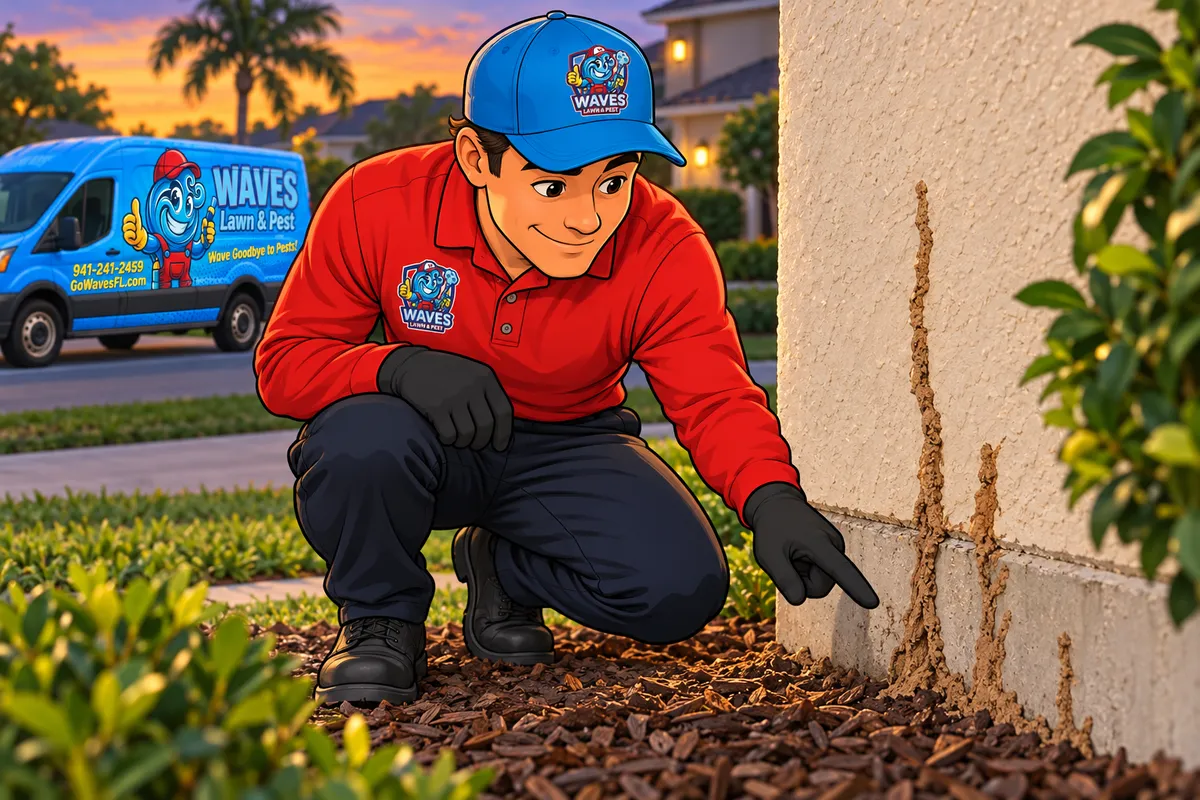
Subterranean termites build mud tubes, thin tunnels of soil that run from the ground up the foundation to the wood. UF/IFAS says looking for mud tubes between the ground and the structure can reveal an early infestation. Check block corners, plumbing entries, the garage slab joint and anywhere a planter bed touches the wall.
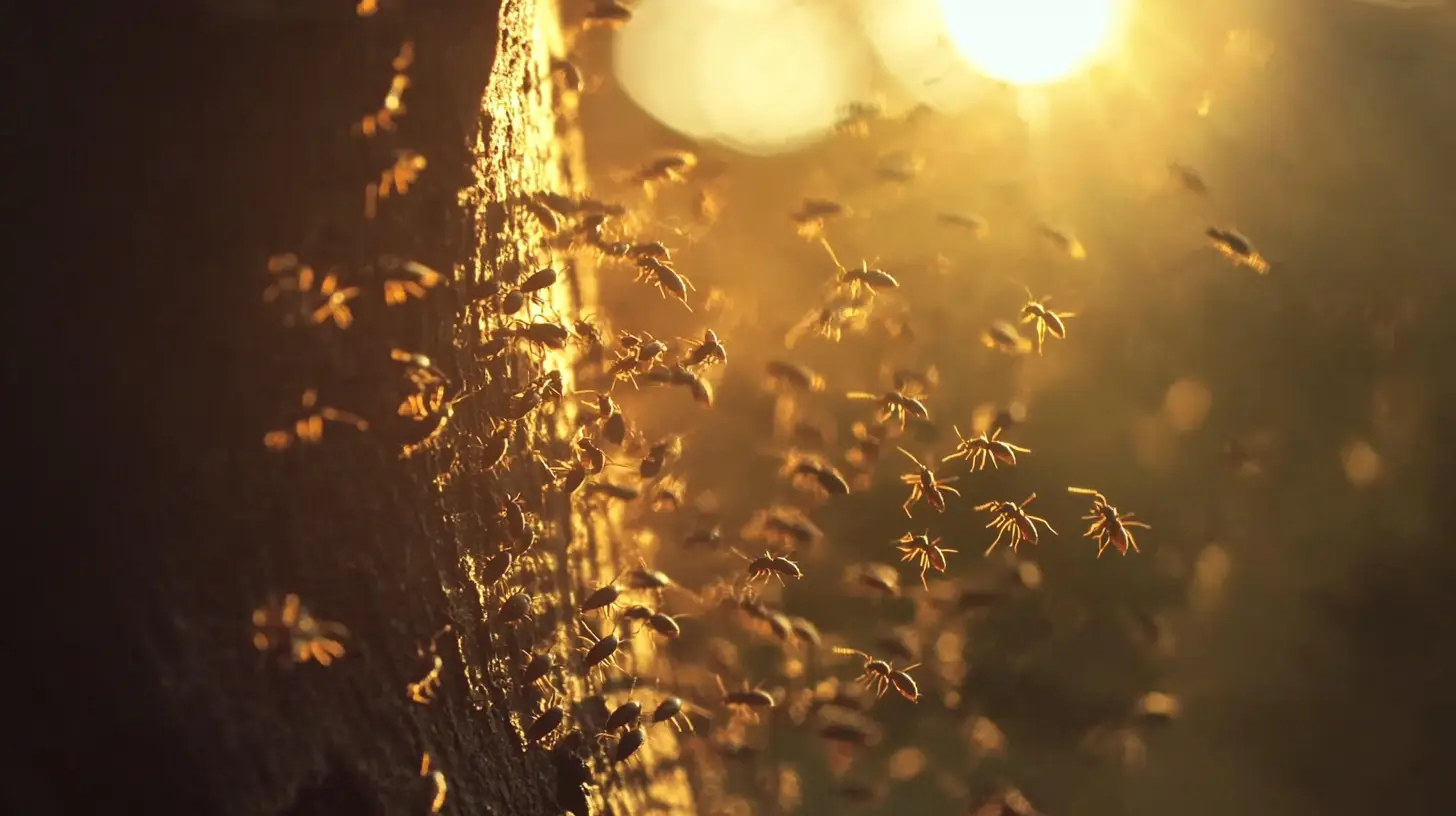
Wings are the other clue. UF/IFAS notes that drywood swarmers fly from March through June and leave their shiny wings behind. A few wings by an outside light are a reason to keep watching. Wings piling up in several places inside the house are a reason for an inspection.
Drywood vs. subterranean: Sarasota’s two termite groups
The termites in Sarasota homes fall into two groups, and they live very different lives. That difference decides how they are found and how they are treated.
Drywood termites
Drywood termites live inside the wood they eat. UF/IFAS says some drywood species can infest a single piece of wood, and that wood doesn’t need to touch water or the ground. Rafters, trim, window frames and wood furniture can all hold a colony.
Their calling cards:
- Small piles of fecal pellets below the wood they are feeding in
- Small, round holes the pellets come out of
- Shiny discarded wings indoors during the spring and early summer swarm months
- Wood that sounds hollow when tapped
Subterranean termites
Subterranean termites need access to water, so UF/IFAS says they establish colonies underground. Those colonies can grow to millions of termites and work into trees and structures from the ground up. They travel through the mud tubes described above, and they can do a lot of damage quickly, which is why UF/IFAS calls early detection key.
Two invasive subterranean species swarm at different times in Florida. UF/IFAS reports that Asian subterranean termites swarm in March, often around sunset on warm days, and Formosan subterranean termites start swarming in late April. Florida’s native subterranean termites swarm in daylight from about January through May, usually on a warm afternoon after rain. In Sarasota, April and May are the months subterranean swarmers turn up on window sills in older inland homes.
Why Sarasota is prime termite territory
Our winters don’t shut termites down. In Southwest Florida, subterranean colonies stay active through December, January and February even when you don’t see swarms. From June through September, summer rain keeps the soil moist, and subterranean activity carries on.
Older housing stock adds to the picture. Laurel Park, Gillespie Park, Hudson Bayou and Indian Beach have wood-frame homes built from the 1920s through the 1950s, while Gulf Gate and Bee Ridge lean toward 1960s and 1970s concrete block.
Storm damage deserves a look too. A roof leak or water intrusion after a hurricane leaves wet wood and wet soil where there wasn’t any before, and chronic moisture is one of the conditions inspectors flag. If your home took water in a storm, a follow-up termite inspection is a sensible step once repairs are done.
Smart Sarasota habits that lower your termite risk
None of these habits makes a house termite-proof. Each one removes something termites use:
- Fix moisture at the foundation. Reroute AC condensate lines away from the slab and adjust sprinkler heads that spray the wall.
- Keep the slab edge visible. Rake mulch and soil back so you can see where the slab meets the stucco.
- Break wood-to-soil contact. Store firewood and lumber off the ground and away from the house.
- Clear cellulose debris. Pull scrap wood, old form boards and cardboard out from under and around the house.
- Know your coverage. Find the termite protection notice from construction and check whether the builder’s warranty has lapsed.
- Book an inspection each year. Colonies stay active all year here, so an annual termite inspection gives you a regular check for new activity.
What does termite control in Sarasota involve?
Termite control starts with knowing which termite you have, because drywood and subterranean termites need different treatments. Treatment comes after an inspection confirms the species and maps the activity.
UF/IFAS lays out the options by group:
- Subterranean termites. UF/IFAS describes two approaches: termite baits and liquid termiticide treatments. Baits eliminate colonies that feed on them, while liquid treatments temporarily exclude colonies from an area. UF/IFAS also notes that tent fumigation does nothing for subterranean termites, since the rest of the colony in the soil can move right back in.
- Drywood termites, one localized colony. A spot treatment may be used when the infestation is confined to a single piece of wood.
- Drywood termites, many colonies. When colonies turn up throughout a structure, UF/IFAS says tenting and fumigation is the most cost-effective option. Because drywood colonies are small and slow to do damage, UF/IFAS notes a homeowner may schedule that work when it suits them.
Bait is slow by design. Subterranean colonies typically take 3 to 6 months to die off after termites begin feeding on in-ground bait stations, so a bait program is a long game.
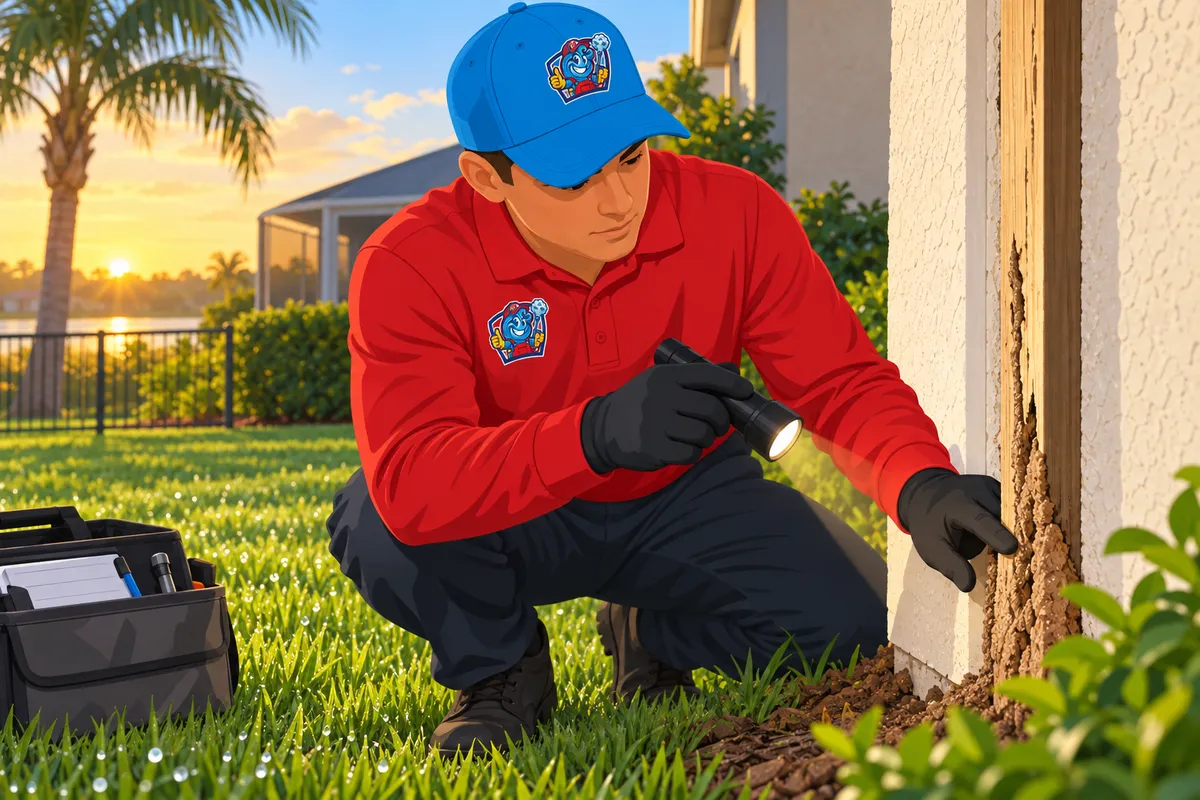
What Waves Pest Control does for Sarasota termites
Here is how we handle termites in Sarasota, and where we hand off.
- Inspection first. An initial termite inspection runs 60 to 90 minutes and covers the full WDO scope: foundation, framing, attic, perimeter, moisture areas and garage. You get species identification, photo documentation and a written quote.
- Subterranean termites. We install in-ground bait stations and monitor them quarterly.
- Drywood termites. We use localized spot treatment for accessible drywood colonies.
- Fumigation. We do not tent or fumigate. If a drywood infestation is bigger than spot treatment can handle, we inspect, explain what we found and refer you to a fumigation specialist.
- Warranty. A termite warranty is an optional renewable bond, priced separately from the installation. Coverage ends if the warranty lapses.
If you want numbers for your own house, request a termite quote for your Sarasota home. For the full service details, see our page on termite control in Sarasota.
Quick answers on termites in Sarasota
How do I know if I have termites or ants?
Look at a winged insect closely. Termites have straight antennae, a thick waist and wings of equal length. Ants have a pinched waist and wings of unequal length. When in doubt, save a sample or a clear photo for an inspector.
What are those tiny piles under my window?
They are likely fecal pellets from drywood termites. If a fresh pile shows up after you clean, something is still feeding in that wood.
Do mud tubes mean I have termites?
Mud tubes on a foundation are a strong sign of subterranean termites, and UF/IFAS says they can reveal an early infestation. Leave them in place until an inspector sees them, so they can trace where the tubes run and check them for activity.
Does one winged termite in the house mean an infestation?
Not on its own. UF/IFAS says termites may fly in from outside, drawn to the lights in your home. If wings collect in several parts of the house, schedule a proper inspection.
When should I get a termite inspection?
Once a year is a sensible rhythm in Sarasota, since colonies stay active through the winter. Spring, before and during the swarm months, is a natural time to book it. Book one sooner if you see mud tubes, pellets or piles of wings.
Do I need termite treatment every year?
Not always. A bait station program is checked on a schedule rather than retreated every year. New homes start with code-required protection, but the builder’s warranty runs out, so check your coverage and keep up with yearly inspections.