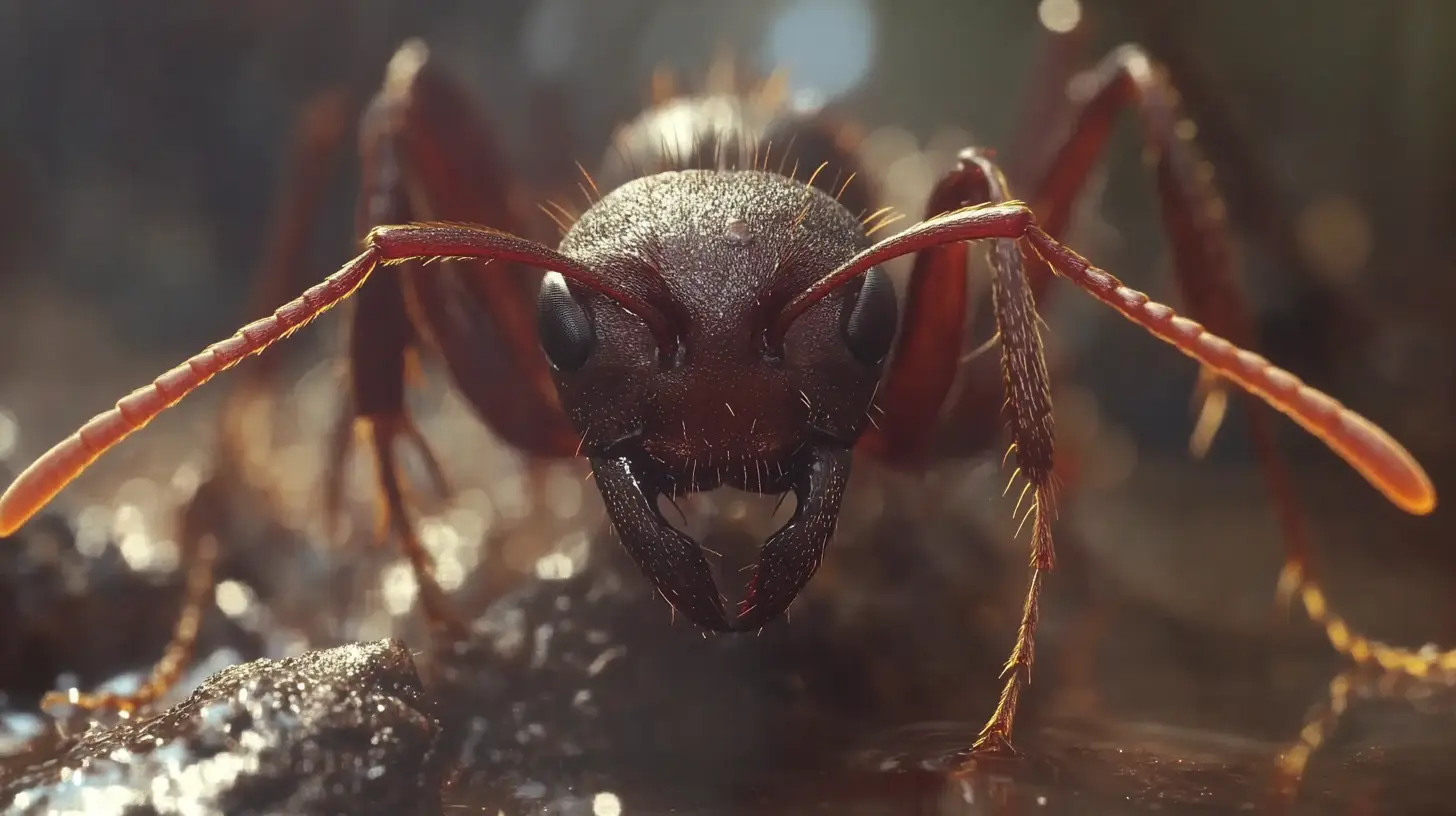
Flying ants, these winged insects can be more than just a nuisance, swarming around your home in search of a new place to nest. Did you know? Flying ants are the reproductive males and females of an ant colony. These ants develop wings and leave the colony to mate and establish new colonies. The males are known as drones, while the females that become new queens are often called alates.
Did you know flying ants are actually the reproductive members of an ant colony, embarking on their nuptial flight to start new colonies? During this time, large swarms of flying ants from multiple colonies take to the air, typically on warm, humid days. This increases the chances of genetic diversity through cross-colony mating.

This fascinating lifecycle means their presence signals a thriving ant community nearby. But don’t worry—you’re not alone in this battle. By learning a few strategic methods, you can regain control and prevent these pesky invaders from settling in your home. Get ready to discover effective strategies to get rid of flying ants and reclaim your space.
Key Takeaways
- Recognizing flying ants as reproductive members of an ant colony is crucial to understanding their presence and potential infestation risks.
- Preventive measures include maintaining clean, dry living spaces and sealing entry points to deter flying ants from entering your home.
- Different removal tactics such as insecticidal dust and ant baits offer diverse approaches to managing infestations.
- Correctly identifying flying ants versus termites by noticing differences in wings, body shape, antennae, and behavior can help target the appropriate pest management strategy.
- Keeping your yard maintained by trimming vegetation and removing debris can reduce the potential for nearby ant nesting, thus preventing home invasions.
How to Get Rid of Flying Ants
To address flying ants effectively, understanding their biology and behavior is crucial. In Lakewood Ranch, these pesky insects often emerge during the warm months, searching for new nesting sites. Taking prompt action can help protect your home.
- Dust: Apply insecticidal dust in crevices and entry points where ants are active, as the label directs.
- Bait: Use ant baits near active areas. These baits allow worker ants to carry poison back to the colony.
- Pesticides: Consider contacting a pest control professional for specialized pesticides designed for ant management. Such answers are often essential for large infestations.
- Skip Boiling Water: Pouring boiling water into ant hills is a common DIY tip, but carrying boiling water across the yard is an easy way to get scalded. Use baits or dust instead.
- Inspect Wood: Winged insects indoors may be termite swarmers rather than flying ants; swarmers indoors are a reason for a professional inspection.
- Vacuum: Use a vacuum to remove flying ants from indoor spaces. It’s a quick method that also captures other insects.
- Glue Traps: Set glue traps around potential entry points. These traps help monitor ant activity.
By implementing these strategies, you can manage flying ants in your home. If you are not sure which ant you have, our pest library can help you narrow it down.
Why Are Flying Ants in My Home?
Flying ants invade your home when they’re searching for new nesting sites, particularly during the warmer months in Lakewood Ranch. This phenomenon, known as nuptial flight, often coincides with increased humidity. Winged ants appear as a temporary nuisance, but their presence signals a nearby established ant colony. Without management, this could lead to structural infestations.
The Florida carpenter ant is a common source of big winged ants indoors. According to UF/IFAS, Florida carpenter ant winged reproductives fly in the evening or night during the rainy season, May through November. UF/IFAS says a colony usually sends out winged ants once it is two to five years old, so a swarm points to a mature colony. That nest may be inside the house or outdoors close by. UF/IFAS notes that winged ants are often found along window ledges and near sliding glass doors, so a swarm indoors does not show by itself where the nest is.
The industry and climate in Lakewood Ranch create a conducive environment for ants. Your home services as an attractive location due to shelter and food sources. Ants are drawn to moisture-rich areas, so kitchens and bathrooms are common hotspots. Poorly sealed windows, doors, and crevices offer easy access for these persistent insects. Regularly observing winged ants indoors requires you to explore potential entry points and address moisture issues.
Flying ants possess a fascinating biological role, contributing to ecosystems by aerating soil and spreading plant seeds. While their environmental benefits are essential, in homes, they compromise cleanliness and structure by nesting in walls or attics. Addressing an infestation not only helps maintain your home’s integrity but supports local biodiversity by preventing disruptions to these insects’ natural habitats.
Flying Ants vs. Termites: How to Identify Them
Recognizing the difference between flying ants and termites is key to addressing any infestations. Although they both swarm in humid environments like Lakewood Ranch, distinct features set them apart.
- Wings: Flying ants have two sets of wings of unequal length, with the front wings being longer than the back ones. Termite wings are equal in length, giving them a more streamlined appearance. UF/IFAS lists the same three checks for an ant swarmer: elbowed antennae, fore wings larger than hind wings, and a constricted waist.
- Body Shape: Flying ants have a narrow waist, distinctly separating their thorax and abdomen. Termites display a more uniform, thick body without such a defined waist.
- Antennae: The antennae of flying ants are elbowed, with a noticeable bend. Termites possess straight, beaded antennae, which are easily distinguishable upon close inspection.
- Color and size: Flying ants are typically dark or reddish-brown. A winged female Florida carpenter ant reaches up to 20 mm (3/4 inch) long, per UF/IFAS. Winged eastern subterranean termites are dark brown, almost black to the naked eye, and approximately 0.4 inch long including the wings, according to UF/IFAS. Color alone will not settle it, so check the waist, antennae and wings.
- Timing: Florida carpenter ant swarmers fly in the evening or at night from May through November, per UF/IFAS. Eastern subterranean termite flights in Florida start in early January and end in April, on warm, sunny, windless early afternoons, usually after rain, according to UF/IFAS. Timing is a clue and the body checks above confirm it. Termites tend to pose a greater risk as they consume wooden structures.
Understanding these differences empowers you to effectively get rid of flying ants by focusing on strategies appropriate for your exact issue. By correctly identifying the pests in your home, you can better protect your property’s integrity and maintain a balanced network in Lakewood Ranch.
How to Prevent Flying Ants
Preventing flying ants starts with understanding their attraction to certain environments. Since ants often seek moisture and food sources, especially in places like Lakewood Ranch, addressing these factors in your home can help. Begin by ensuring your living spaces are clean and dry. Wipe down kitchen countertops, sweep floors regularly, and promptly fix any plumbing leaks to reduce the moisture that flying ants find enticing.
Seal entry points around your home’s perimeter. Use caulk to fill gaps around windows, doors, and any foundation cracks. This step decreases the chances of ants entering your home during their nuptial flight. Also, installing weather stripping can provide an effective barrier against these insects.
Maintain your yard to minimize the risk of flying ants nesting nearby. Trim overgrown vegetation and remove debris such as fallen leaves and branches. These actions reduce their potential nesting sites, lessening the likelihood of them infiltrating your home.
If you already dealt with an infestation and want to prevent another, monitor your home for any signs of returned activity, like scattered wings or an increase in ant sightings, and address them quickly.
Taking these preventive measures can help maintain your home’s cleanliness and prevent the presence of flying ants, allowing you to enjoy a serene and balanced living environment.
How to choose your next step
Match what you see to the step that fits it.
- If the insect has a pinched waist, elbowed antennae and front wings longer than the back wings, use the ant steps above: vacuum the swarmers. Winged ants do not carry bait back to the colony, so look for trails of worker ants and place a bait made for that ant along the trail as the label directs. UF/IFAS gives this advice for carpenter ants when the nest cannot be found.
- If the wings are equal in length and the waist is thick, call a professional for a termite inspection. Save a few of the insects in a bag or on tape.
- If winged ants show up indoors more than once, or you find them along with damp wood near a window or door frame, call a pest control professional. UF/IFAS recommends direct treatment of the nesting site for carpenter ants, and finding that site inside a wall is not a DIY job.
- If you saw one small swarm outdoors and nothing inside the house, use the prevention steps above and watch for discarded wings on sills.
When to Call a Professional
If your efforts to control flying ants don’t yield results or if you’re facing a severe infestation, it might be time to call in a professional. Ant control experts can offer targeted answers. Flying ants fall under our general pest control services, and recurring coverage is part of a WaveGuard membership.
Frequently Asked Questions (FAQs)
What attracts flying ants into homes?
Flying ants are attracted to homes due to shelter, food sources, and moisture-rich environments, particularly in areas like kitchens and bathrooms. These factors create an ideal setting for ants looking for new nesting sites during their nuptial flight in the summer months.
How can I differentiate between flying ants and termites?
You can distinguish flying ants from termites by looking at wing structure, body shape, and antennae. Flying ants have two sets of unequal wings, a segmented body, and elbowed antennae. Termites have equal-length wings, a broader waist, and straight antennae.
What are some effective methods to manage flying ants?
Effective methods include using insecticidal dust in crevices, setting ant baits, vacuuming, and sealing entry points. Skip pouring boiling water into ant hills. These strategies can help control ant activity and prevent infestations.
Why is it important to control flying ants?
Controlling flying ants is important because their presence indicates a nearby colony that can compromise cleanliness and potentially damage property through nesting activities. They can also pose a continuous challenge if not effectively managed.
Can flying ants benefit the ecosystem?
Yes, flying ants play a role in ecosystems by aerating soil and spreading plant seeds. However, their presence in homes can be disruptive. Striking a balance with targeted ant control methods supports local biodiversity while minimizing ant problems indoors.
What preventive measures can deter flying ants?
Preventive measures include maintaining a clean, dry home by wiping down surfaces, sweeping floors, fixing plumbing leaks, sealing entry points, and managing outdoor areas by trimming vegetation and removing debris. These steps help reduce the risk of invasion.
How do I safely use insecticides around pets and children?
When using insecticides, carefully follow the product instructions and avoid applying them in areas accessible to pets and children, and follow the label’s instructions for re-entry.
What signs indicate a flying ant infestation?
Signs include the presence of discarded wings, increased ant activity, and visible entry points around the property. Noticing these early can help you take timely action to manage and reduce the infestation effectively.