Sticky leaves and curled new growth on your oleander, milkweed, or crape myrtle can mean aphids, but other insects, such as scales, cause similar signs. Look closely at the new growth and the undersides of the leaves: if you see clusters of tiny, soft-bodied insects, often yellow, you’re looking at aphids. The good news from the University of Florida is that the first steps are simple and low-impact, and a garden hose does more of the work than most people expect.
Here are the aphids you’re most likely to meet in a Southwest Florida yard, what the honeydew and ants are about, and a sensible order to deal with them.
The aphids you’re most likely to find on Florida plants
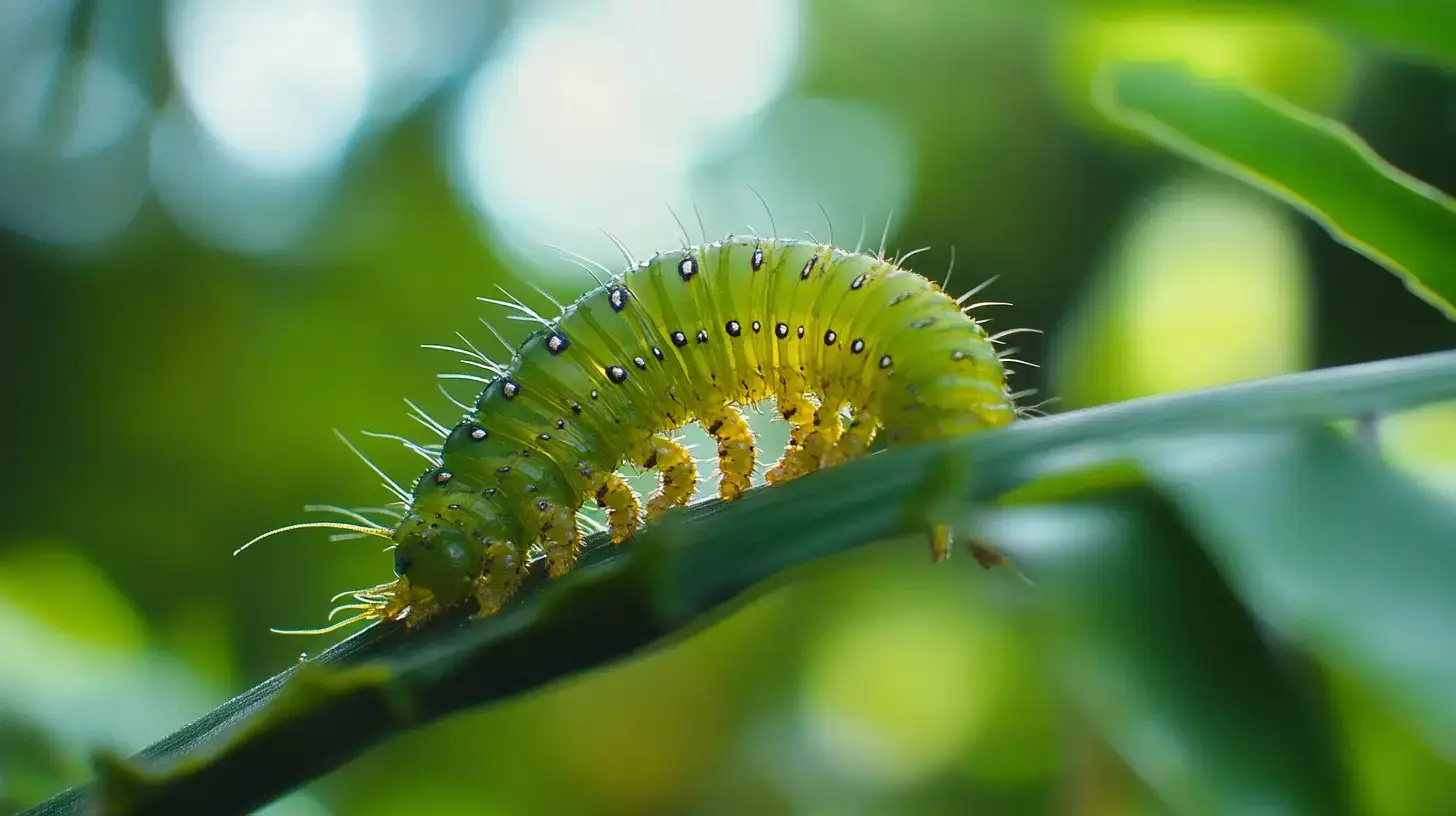
Aphids are small, soft-bodied, pear-shaped insects that feed on plant sap through a piercing-sucking, tube-like mouthpart. Depending on the species they can be green, yellow, red, brown and other colors, and they’re small but visible without a microscope, according to UF/IFAS Extension Polk County. Heavily infested plants can wilt and grow poorly. The surest sign is the insects themselves, clustered on new growth and the undersides of leaves.
Two species are worth knowing by sight.
Oleander aphid (also called the milkweed aphid)
This is the bright yellow aphid with black legs, antennae, and tail pipes. UF/IFAS describes it as a common pest of oleander and milkweeds, including butterfly weed and scarlet milkweed, as well as wax plant (UF/IFAS EENY-247). Adults are only about 1.5 to 2.6 mm long, so you usually notice the colony before you notice the individuals.
UF/IFAS says the main concern is cosmetic: large, unsightly colonies that leave sticky honeydew and, later, black sooty mold. Heavy, repeated infestations can stunt plants and deform the growing tips, and the aphid can transmit certain plant viruses.
Crapemyrtle aphid
On crape myrtle, look for pale yellow, pear-shaped aphids about 1/8 inch long, mostly on the undersides of leaves. UF/IFAS says they “appear each year in late spring, remaining until the leaves drop in the fall” and that feeding can distort new growth (UF/IFAS EP560). The same guide notes that powdery-mildew-resistant crape myrtle varieties “appear to be highly susceptible to the aphids,” so a variety chosen for one problem can invite another.
Everything else
Plenty of other aphids turn up on roses, hibiscus, vegetables, and citrus. The control steps below work the same way for all of them. If you need an exact species, your county UF/IFAS Extension office can identify one from a sample or a clear photo.
Honeydew, sooty mold, and the ants on your trunk
Aphids pull in more sap than they need and excrete the extra as sticky honeydew. A black, dusty-looking fungus called sooty mold grows on it.
Sooty mold doesn’t attack the plant itself, but it can block sunlight from the leaves (UF/IFAS Extension Okaloosa County). It’s also a late clue. The UF/IFAS crape myrtle guide notes that sooty mold “is often the first thing people notice, but it is evidence that the aphid infestation is already well-established.” Because the mold feeds on honeydew, the fix is dealing with the insects making it, not scrubbing the leaves.
Ants are the other clue. UF/IFAS Extension says some ants protect aphids so they can collect the honeydew, and “the ants kill any natural enemy of the aphids, such as lady beetles” (UF/IFAS Extension Polk County). Florida carpenter ants, for example, are fond of the honeydew from sucking insects, especially aphids, scales, and mealybugs (UF/IFAS). A steady line of ants running up a trunk is a good reason to check the leaf tips and undersides above them.
Aphids aren’t the only honeydew makers. If the sticky mess comes with crusty bumps on stems, see our guide to scale insects, and for tiny white flyers see neem oil for whiteflies.
Let the natural enemies work first
Aphids have plenty of enemies. For oleander aphid, UF/IFAS names a parasitic wasp (Lysiphlebus testaceipes), syrphid fly larvae, and lady beetles. For landscapes in general, UF/IFAS Gardening Solutions lists lady beetles, mantises, spiders, wasps, and lacewings.
UF/IFAS Extension’s advice (Pasco County) is blunt: “If the ‘good bugs’ are already on the scene, let them do their thing!” Broad-spectrum insecticides kill the helpers along with the aphids, and the aphids can rebound faster than their predators. For crape myrtle, UF/IFAS even suggests that if you can live with some sooty mold, the aphids help draw beneficial insects to the landscape.
If you see lady beetle larvae or small fly larvae among the aphids, hold off on spraying anything for a few days and see what happens.
A sensible order of control
Work from the gentlest step up, and stop when the problem is under control. UF/IFAS Extension (Polk County) notes that timing matters: nymphs are easier to control than adults, and small infestations are easier than big ones. So check susceptible plants often and start early.
- Spray them off with water. A strong blast from the hose knocks aphids off and gives the plant time to recover before they reinfest, per UF/IFAS Gardening Solutions. Hit the undersides of leaves and the growing tips, and repeat if they come back.
- Prune off the worst of it. UF/IFAS Extension Pasco County suggests pruning heavily infested branch tips.
- Ease up on feeding and watering. For oleander aphid, UF/IFAS lists reducing water, pruning, and fertilization among its cultural controls, which it calls “the best means of managing” the aphid. The damage shows up on the newest growth, so skip anything that pushes a flush of it.
- Use insecticidal soap or horticultural oil if you still need to. UF/IFAS recommends starting with the least toxic products, like horticultural oils and insecticidal soaps, applied directly to the pests. Soap works on contact, so coverage matters, and you may need to reapply. Buy a product sold as insecticidal soap or horticultural oil, because its label tells you which plants it’s for and how to use it. Read and follow that label.
- Think twice before a stronger or systemic insecticide. UF/IFAS cautions that systemic insecticides “can prove dangerous for beneficial insects that feed on a treated plant’s flower pollen and nectar or leaves, stems, and roots” (UF/IFAS EDIS). Its guidance also says not to treat a plant that is blooming or about to bloom.
If the aphids are on milkweed
Tropical milkweed grown for monarchs often ends up with oleander aphids, and spraying it takes extra care. UF/IFAS Gardening Solutions says pesticides on milkweed are discouraged and suggests a blast of water instead (UF/IFAS Gardening Solutions).
Leaving a heavy infestation alone isn’t ideal either. In a study reported by UF/IFAS News, monarchs laid about three times as many eggs on aphid-free tropical milkweed as on infested plants. Researchers suggest spraying insecticidal soap directly on the aphids while avoiding monarch caterpillars and butterflies (UF/IFAS News).
When a landscape professional is worth it
A hose and some pruning are enough for a single shrub. A pro makes more sense when:
- The plant is too tall or too big to reach, like a mature crape myrtle or a long oleander hedge.
- Honeydew and sooty mold come back every year on the same plants.
- Aphids, scale, and whiteflies are all in the mix, and you’re not sure what’s making the mess.
- You’d rather not spray plants that are blooming or hosting caterpillars,.
Waves Pest Control has a tree and shrub care service in Lakewood Ranch. If ants are the bigger headache, our ant control guide covers the common Florida species.
Frequently Asked Questions
What are the yellow aphids on my oleander or milkweed?
Almost certainly oleander aphids. UF/IFAS describes them as bright yellow with black legs, antennae, and tail pipes, and says they’re common on oleander and milkweeds in Florida.
Do aphids kill plants?
Usually not. UF/IFAS describes the oleander aphid’s main impact as cosmetic, though heavy, repeated infestations can stunt plants and deform new growth.
Why are there ants on my plants with aphids?
The ants are after honeydew. UF/IFAS Extension says some ants protect aphids to keep the honeydew coming and will kill the aphids’ natural enemies, such as lady beetles.
Does soapy water get rid of aphids?
UF/IFAS recommends insecticidal soaps applied directly to the pests, and says you may need to reapply. Use a product sold as insecticidal soap and follow its label, since a soap only works on the aphids it actually touches.
Will sooty mold go away on its own?
Sooty mold grows on honeydew, so it depends on the aphids. UF/IFAS says to control the insects making the honeydew. It doesn’t harm the plant directly, but it can block light.
When should I call a professional?
Consider one when the plant is too big to treat yourself, the problem returns every year, or you can’t tell which insect is making the honeydew. For pricing, use our pest control calculator.