How to get rid of moles in Florida starts with knowing what you have and how much harm it does. The raised ridges and small soil mounds in a Florida lawn often point to the eastern mole, which UF/IFAS says occurs throughout the state. UF/IFAS also says the damage moles cause is almost entirely cosmetic.
This is an honest guide to what UF/IFAS says about moles: what the ridges are, which control methods have support, which do not, and who to call. Waves Pest Control does not trap wildlife, so this guide does not offer mole removal.
Moles are not rodents, and they are not mole crickets
UF/IFAS says moles are not rodents. They belong to the mammal order Insectivora, which means “insect eater” and includes moles, shrews and hedgehogs (UF/IFAS WEC-66).
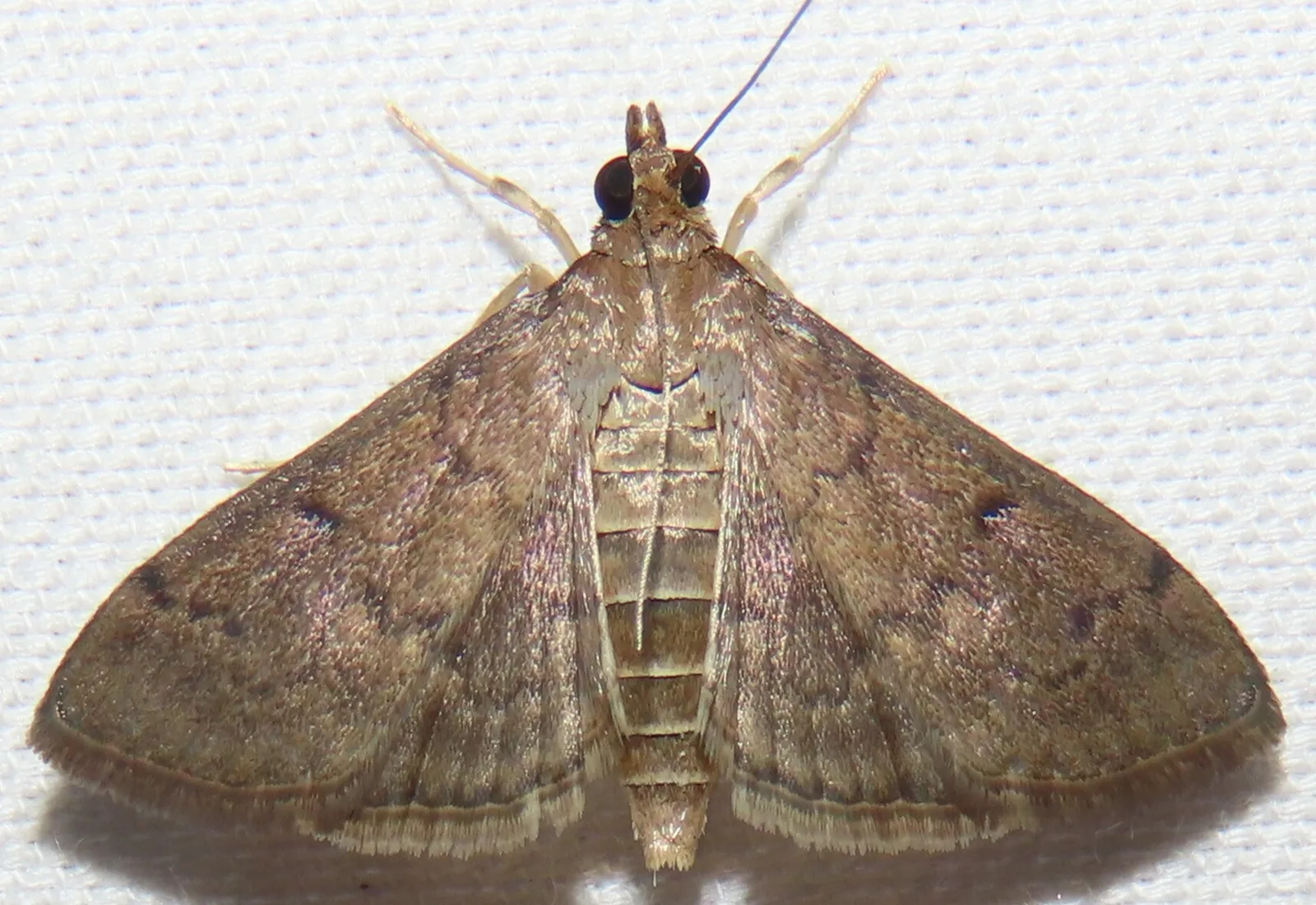
Mole crickets are a different animal. They are insects, and they also push up ridges in the lawn. If you are not sure which one is working your turf, start with the Waves lawn mound identification guide, and for the insect see the Waves mole cricket guide for Bahia lawns.
What the ridges and mounds mean
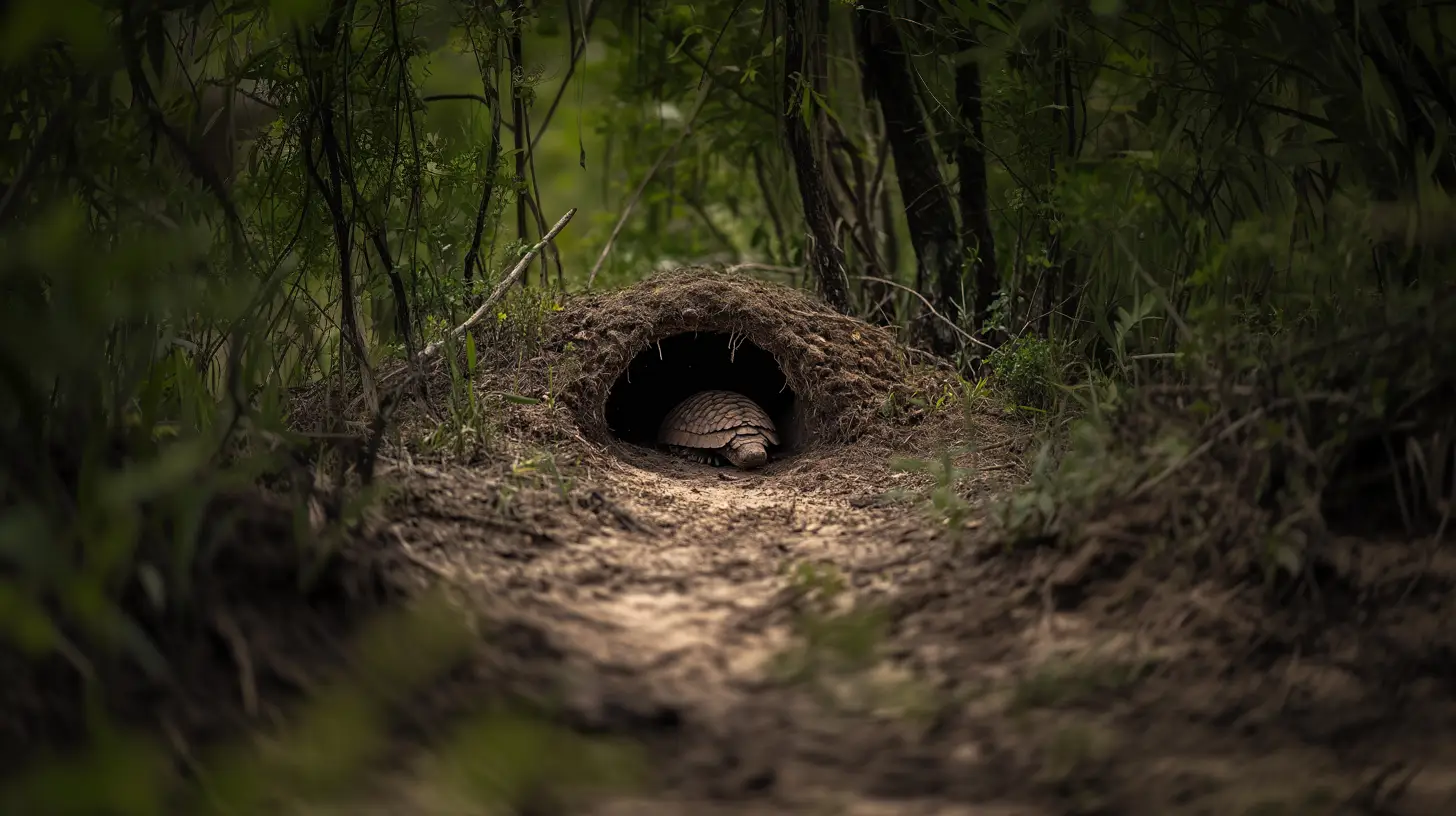
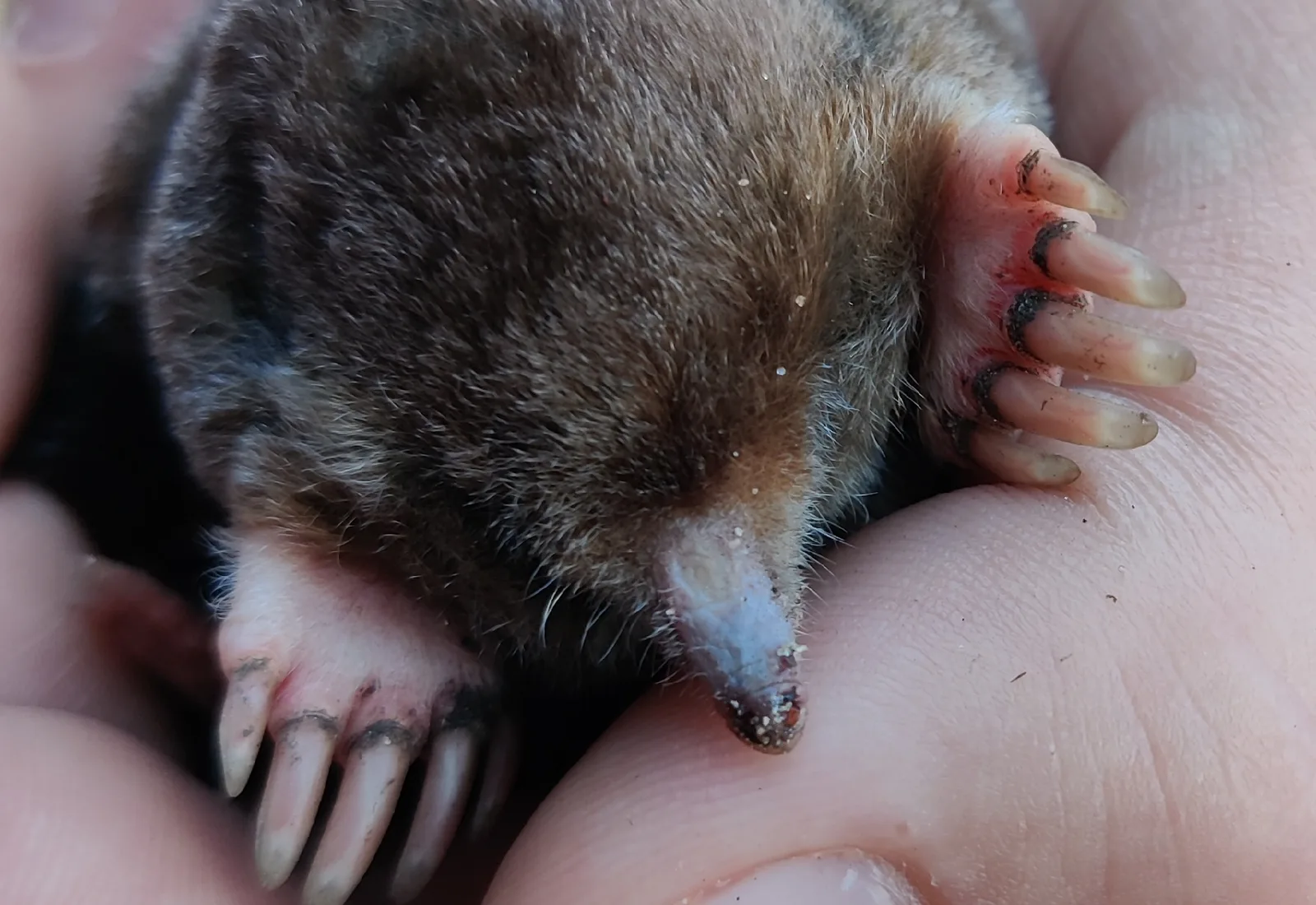
According to UF/IFAS, the eastern mole (Scalopus aquaticus) has an average total length of 5 1/2 to 6 inches, a short, sparsely haired tail 1 to 1 1/2 inches long, and soft slate-gray fur with a velvety sheen. Its most notable feature is its large, powerful front feet, built for pushing soil out of the way.
It prefers loose, well-drained soil and has been found in dune sand. The ridges just below the surface of a lawn are foraging tunnels, where the mole searches among plant roots for earthworms and insects. Its living space is deeper: tunnels and chambers 6 to 12 inches below the surface, with soil from those burrows pushed up in small mounds. In loose soil a mole can tunnel up to 18 feet per hour.
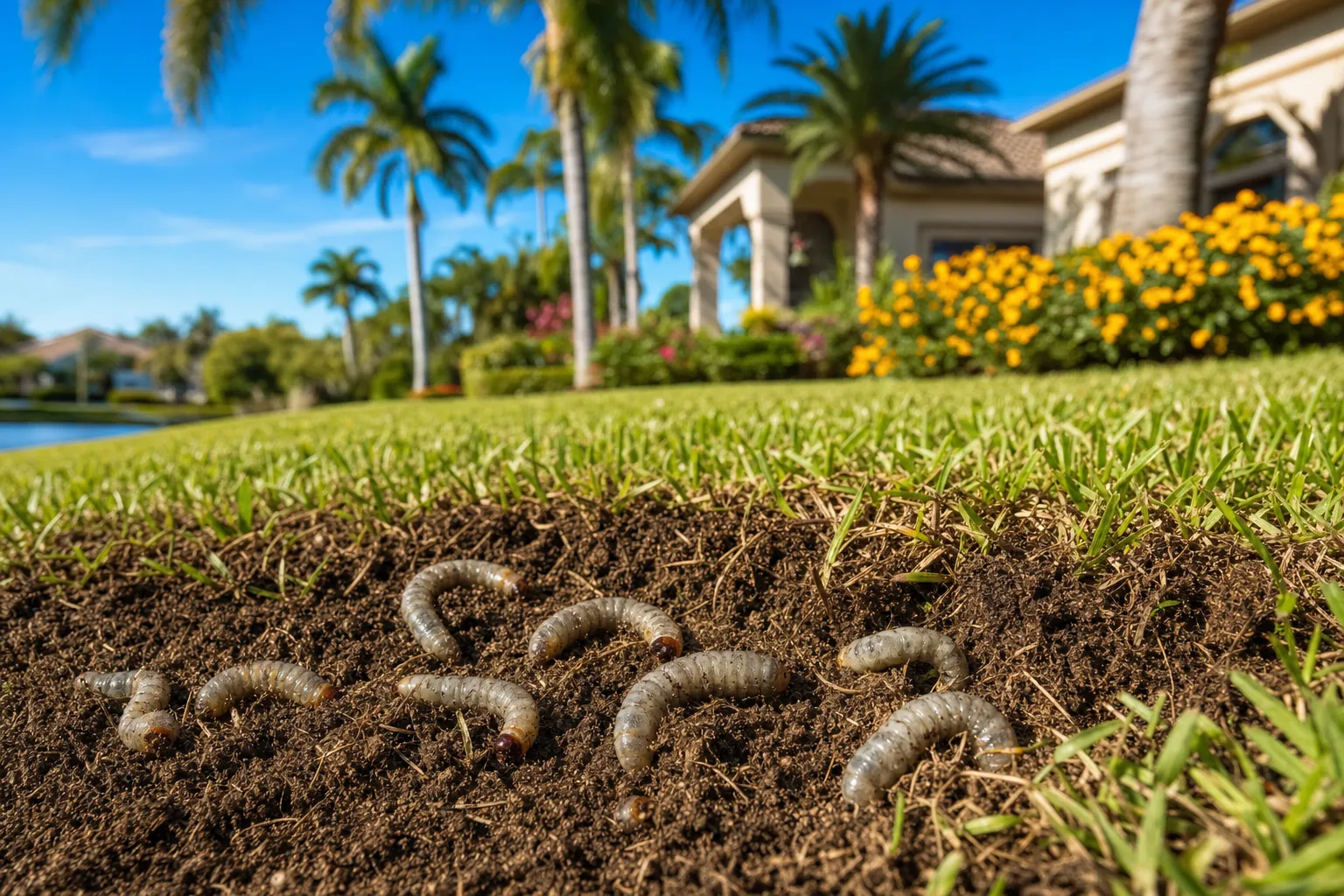
What moles eat is the surprise. UF/IFAS says moles feed on earthworms and on insects including mole crickets, white grubs, wireworms, ants, cutworms, armyworms and slugs, and that they are falsely accused of eating grass roots. The tunnels may damage roots and may kill grass by drying out the roots, but UF/IFAS says this damage is usually minor.
Do you need to get rid of them?
UF/IFAS says homeowners should try to accept mole activity. If you see tunnels, simply press the soil back in place (UF/IFAS Extension). The UF/IFAS Charlotte County Extension director, writing about the moles in his own lawn, calls the damage “no more than an eyesore” and notes that moles also aerate soil and eat pest insects (UF/IFAS Charlotte County).
If the tunnels are an intolerable nuisance, these are the options UF/IFAS describes.
How to get rid of moles: what UF/IFAS says works
Trapping
UF/IFAS Gardening Solutions calls trapping the most effective way to end mole tunneling, and notes that most mole traps are lethal, so you need a plan for disposal before you set one (UF/IFAS Gardening Solutions). WEC-66 adds that homeowners, renters and employees of the property owner may capture and remove moles without a permit.
UF/IFAS says to set traps only in active tunnels. To find one, collapse part of a surface tunnel with your foot and check back in an hour or two. If the tunnel has been pushed back up, it is active. UF/IFAS says to follow the instructions that come with the trap, and that if a trap has not been sprung within three days, you should move it to a more active spot. It also says a plastic bucket can be placed upside down over the trap to keep children and pets from disturbing it. If you use a live pitfall trap, UF/IFAS says to check it several times a day, because a trapped mole can die of starvation or thirst.
Underground fencing for a small area
For a small, sensitive area, UF/IFAS says a barrier of small-mesh galvanized hardware cloth, brick or concrete can keep moles out. It should reach at least 6 inches above ground and 2 feet below, with an outward projection of 3 to 6 inches. UF/IFAS Gardening Solutions says this is impractical for an entire landscape.
Repellents
UF/IFAS says some mole repellents use emulsified castor oil. How long they last depends on soil type and rainfall: they last longer in clay and loam than in sandy soils, and during rainy periods they may need to be applied more often. Read and follow the label. These are products, not the castor bean seeds some people plant. UF/IFAS Gardening Solutions says castor bean seeds are toxic and can sprout, creating new problems.
Soil insects and watering: mixed advice
UF/IFAS says moles can be discouraged from digging in turf by controlling the insects they feed on, such as white grubs and mole crickets, and says to identify the insect first and ask your county Extension agent about control measures. It warns that if your soil is rich in organic material and holds many earthworms, insecticide treatments will not necessarily discourage moles, and that treating can make moles tunnel more as they search for a shrinking food supply. UF/IFAS Gardening Solutions goes further and strongly discourages using insecticides this way, calling it inefficient and harmful to the environment.
UF/IFAS also says moles prefer to tunnel in damp soils, so reducing how much and how often you water may help, and Gardening Solutions says to make sure you are not overwatering.
What does not work
UF/IFAS says none of these is a reliable fix:
- Vibrating devices. UF/IFAS says they have not been proven effective in scientific trials.
- Mothballs. The mole blocks off the treated tunnels and moves to a different part of the yard.
- Chewing gum in the tunnels. A popular claim that has not been proven in scientific tests.
- Flooding the tunnels. Water may force moles to the surface, but UF/IFAS says this rarely works in deep, sandy soils like those common in Florida.
Poisons, the law and who to hire
Florida law limits what can be used. UF/IFAS says no poison, bait or fumigant may be used on native wildlife in Florida except pesticides registered by the Florida Department of Agriculture and Consumer Services, and then only as the label directs. Mole products sold in Florida stores are legal when used according to the label. Some products bought from outside Florida or online may not be legal if they lack a Florida registration. UF/IFAS says misusing them, such as placing them on the surface against the label, violates federal pesticide law and Florida’s wildlife rules in the Florida Administrative Code.
If you hire help, UF/IFAS says:
- A lawn service or pest control technician hired to use pesticides to control nuisance animals must hold a certified pest control operator’s license in Lawn and Ornamental pest control.
- A professional hired to trap nuisance animals should hold a Florida Department of Agriculture and Consumer Services (FDACS) wildlife certification.
FDACS’s own pages describe the trapping side differently. FDACS says its wildlife management certificate is required only for trapping rats and mice in, on or under a structure, that trapping other nuisance wildlife for a fee is regulated by the Florida Fish and Wildlife Conservation Commission (FWC), and that the trapper needs the property owner’s written permission (FDACS).
So ask any company which license or certification covers the work, and check it with the agency that issued it, before you agree to anything. For identification help or questions about what is in your lawn, contact your county UF/IFAS Extension office.
Header photo: an eastern mole (Scalopus aquaticus) in Dundee, Florida, by fiferworks via iNaturalist, licensed CC BY 4.0, cropped.
Frequently Asked Questions
What is the fastest way to get rid of moles?
UF/IFAS Gardening Solutions calls trapping the most effective way to end mole tunneling. Traps must go in active tunnels, and most are lethal. UF/IFAS also says homeowners can simply press the tunnels flat and accept the activity, since the damage is almost entirely cosmetic.
Are moles rodents?
No. UF/IFAS says moles are not rodents. They belong to the order Insectivora with shrews and hedgehogs, and they eat insects and earthworms rather than plants.
Do moles eat grass roots?
UF/IFAS says moles are often falsely accused of this. They feed on the insects and earthworms in the soil. Their tunneling can disturb roots and may kill grass by drying out the roots, but UF/IFAS says this damage is usually minor.
Do mothballs, gum or vibrating stakes get rid of moles?
UF/IFAS says no: vibrating devices and gum have not been proven in scientific trials, and with mothballs the mole simply blocks off the treated tunnels and moves to a different part of the yard.
Can I use mole poison in Florida?
Only pesticides registered by the Florida Department of Agriculture and Consumer Services, used as the label directs, according to UF/IFAS. Products from outside Florida or the internet may not be legal. UF/IFAS says placing a product on the surface against its label violates federal pesticide law and Florida’s wildlife rules in the Florida Administrative Code.
Who can trap moles for me?
UF/IFAS says homeowners, renters and employees of the property owner may capture and remove moles without a permit. For hired trapping, FDACS says trapping nuisance wildlife other than rats and mice for a fee is regulated by the Florida Fish and Wildlife Conservation Commission and needs the property owner’s written permission. Waves Pest Control does not trap wildlife.