If you grew up anywhere north of Atlanta, you learned that flea and tick season starts in spring and ends with the first hard freeze. That mental model breaks the second you move to Sarasota. Our afternoon storms keep the soil damp, the St. Augustine stays green all winter, and our coastal climate never delivers the kill-off the rest of the country counts on.
This is the part most pet owners here figure out the hard way — usually in February or March, when the dog starts scratching and a kid walks in with a tick behind the knee. The drugstore flea calendar said the season hadn’t started yet. The yard didn’t get the memo.

Below is what’s actually happening in a Sarasota yard twelve months a year, why pet-only or summer-only treatment leaves a reservoir behind, and how to build a year-round plan that actually keeps up.
Request a free Sarasota flea and tick quote →
Why there’s no “off season” here
Up north, fleas and ticks survive winter mostly on hosts, and the egg/larva/pupa stages tucked into leaf litter and lawn thatch get killed when the ground freezes. Sarasota’s coastal climate doesn’t cooperate. Our average January low sits in the mid-50s, and even on the coldest mornings the soil a few inches down stays warm enough to keep larvae alive. Add daily humidity and you have a year-round nursery under every hedge in town.
The practical version of that science: the dog who was scratching last August is bringing eggs into the carpet in January, and the brown dog ticks living in the cracks of your lanai aren’t going dormant. They’re just slower. Slower still means breeding.
This is also why “I’ll wait for warmer weather to start treating” backfires. By the time you’re seeing adults in April, the eggs they laid in February already hatched in March and are feeding. You’re not preventing a population — you’re chasing one that had a four-month head start.
Seasonal pressure
Southwest Florida pest pressure through the year
- Spring Mar–MayBuilding
Warming weather wakes colonies up — activity climbs week over week.
- Summer / rainy season Jun–AugPeak
Heat + humidity + standing water = the year’s heaviest pressure.
- Hurricane season Sep–OctSurge
Storms and flooding push pests indoors looking for dry shelter.
- Fall NovActive
Cooler nights slow things down, but activity stays well above zero.
- Winter Dec–FebLower (not zero)
Our mild winters keep many pests going year-round indoors.
Summer / rainy season & Hurricane season run hottest. In Southwest Florida, pest pressure eases in winter but never fully stops — that’s why year-round protection beats a seasonal patch.
The barrier-island wildlife factor
Here’s the part the national chewable-treatment ads never mention: even a perfectly treated dog can re-seed a yard from the wildlife that walks through it after dark. In Sarasota, that wildlife list is longer than most pet owners realize.
- Raccoons and opossums travel between Phillippi Creek, Hudson Bayou, and the residential yards backing onto them. Both species carry heavy flea loads and shed eggs every place they curl up.
- White-tailed deer still wander the more wooded edges of east Sarasota, Palmer Ranch buffers, and Oscar Scherer State Park. Where there are deer, there are lone star ticks and black-legged ticks dropping off in the brush.
- Outdoor and barn cats plus the occasional stray are constant reseeders — a single stray cat napping under your shed for an afternoon can drop hundreds of eggs into the sandy soil there.
Even if you live two miles inland from Lido or Siesta Key, you’re inside the same wildlife corridor. The barrier islands and coastal preserves don’t have fences. Whatever’s living at Ted Sperling Park or in the Celery Fields hammocks is, eventually, walking through somebody’s backyard at 3 a.m. — and dropping the next generation on the way.
Why treating only the pet leaves the yard intact
Modern on-pet flea and tick products — the chewables, topicals, and collars your veterinarian prescribes — work well at what they do: killing fleas and ticks that bite your individual animal. Which product is right for which pet is a conversation for your vet; that’s not a call we make for you.
What those on-pet products don’t do:
- Kill the eggs already dropped in the carpet, pet bedding, or yard before the product took effect.
- Repel new adults from walking onto the property from a neighbor’s yard or off passing wildlife.
- Reach the larvae and pupae living in shaded mulch beds, under the lanai screen, or in the cool dirt behind the AC condenser.
That’s why pet owners who do everything right on the animal side still see flare-ups. The yard reservoir is doing its own thing on its own schedule, and a treated dog is still a free taxi for adults bouncing through the property.
The 90% you can’t see
Walk-in-and-spray DIY treatments target adults — the stage you actually notice. The problem is adults are a small slice of the actual population at any given moment.
The bulk of any flea problem is hiding in the substrate as eggs, larvae, and pupae:
- Eggs roll off the host and end up wherever your pet rests: pet beds, sandy soil under the shrubs, gaps between pavers, the back corner of the lanai.
- Larvae avoid light and burrow down into thatch, mulch, rugs, and floor cracks. They feed on adult flea feces (charming, we know).
- Pupae are the cheat code. They wrap themselves in a sticky cocoon that shrugs off most contact sprays and can sit dormant for weeks — or months — waiting for warmth and the vibration of footsteps before they emerge.
That’s why timing matters more than product choice. A one-shot yard spray hits the adults present that day and maybe a fraction of the larvae. Two weeks later the next wave of pupae hatches into a yard you thought was clean. Effective flea and tick work pairs an adulticide with an insect growth regulator (IGR) — a compound that interrupts the egg-to-adult cycle — on a repeating schedule that overlaps the pupal hatch window.
Pro tip from our techs: Before any yard treatment, mow the lawn short and rake out the shaded leaf litter under shrubs and along the fence line. Sunlight and dryness kill flea larvae faster than any chemical, and a clean substrate lets the residual actually reach the soil surface where the larvae live.
A year-round yard-and-perimeter plan for Sarasota pet owners
Here’s the framework our licensed techs use on Sarasota homes. None of it replaces what your veterinarian recommends for the animal — think of this as the “everything off the pet” half of the job.
Your home, zone by zone
Where we inspect & treat
A typical Southwest Florida home — the numbered zones a local tech walks on every visit.
- Foundation perimeter Exterior barrier band — the first line where pests cross in from the yard.
- Entry points (doors/windows) Thresholds and frames where ants and roaches slip indoors.
- Eaves & soffits Up under the roofline where wasps and spiders like to nest.
- Weep holes Block-wall gaps that let pests behind the brick veneer.
- Garage corners Dark, cluttered edges spiders and roaches favor.
- Lanai & screen cage The classic SWFL hot spot for spiders, midges and palmetto bugs.
- Mulch beds & turf edges Damp landscaping that harbors ants, fleas and chinch bugs.
- Interior baseboards Where indoor crawlers travel along the wall line.
- Kitchen & bath plumbing gaps Pipe penetrations roaches and ants use to move room to room.
- Attic Top of the home — checked for rodent runs and nesting.
- Map the hot zones. Pet rest areas, the shaded north side of the house, fence lines, under-deck and under-shed crawl spaces, mulch beds, and any spot wildlife enters the yard. These get the heaviest attention.
- Adulticide + IGR on the exterior. A labeled pyrethroid for the adults paired with an IGR like pyriproxyfen or novaluron to break the cycle. Reapplied on a schedule that respects the pupal hatch window, not just “when you remember.”
- Interior spot treatment when warranted. If pets sleep indoors and adults have made it inside, baseboards, pet bedding areas, and rug edges get hit too. Wash pet bedding in hot water the same day and vacuum daily for a couple of weeks to trigger pupae out of dormancy.
- Wildlife exclusion where possible. Close off under-shed and under-lanai voids, trim back vegetation touching the house, and keep pet food indoors. You won’t out-treat a raccoon highway.
- Coordinate on-pet timing with your vet. A yard knockdown the same week the pet’s new monthly product kicks in is the cleanest reset you’ll get.
- Stay on a schedule through “winter.” This is the step Sarasota newcomers always skip. December and January are when populations are easiest to suppress — skip those rounds and you’re rebuilding ground in April.
That’s what an actual recurring program looks like in practice. You can see how recurring programs are priced on the pest control calculator without picking up the phone, or skim our full pest control services list to see how flea and tick work folds into a general perimeter program. If you’d rather have the inspections and re-treats already built into the calendar, our year-round membership program bundles it.
When you’re ready to hand the whole calendar off, our team handles ongoing Sarasota pest control for homes from Gulf Gate and Arlington Park out to Lakewood Ranch — and we’ll build the schedule around your pet’s product timing instead of the other way around.
Frequently Asked Questions
When is flea and tick season in Sarasota?
Year-round. We don’t get a freeze deep enough or long enough to kill off eggs and larvae in the soil, so the population never resets. Pressure dips a little in January, surges in late spring, and surges again after the summer rainy season — but there’s no month where it’s actually safe to skip treatment.
My dog is already on a vet-prescribed chewable. Do I still need yard treatment?
On-pet products protect the individual animal. They don’t touch eggs and larvae already dropped in your yard or carpet, and they don’t stop new adults from hitching a ride in from wildlife. If you’ve ever watched fleas come back two weeks after you dosed the dog, that’s the yard reservoir refilling the population. Keep coordinating the on-pet product with your veterinarian and treat the yard separately.
Are ticks actually a problem in Sarasota, or is it mostly fleas?
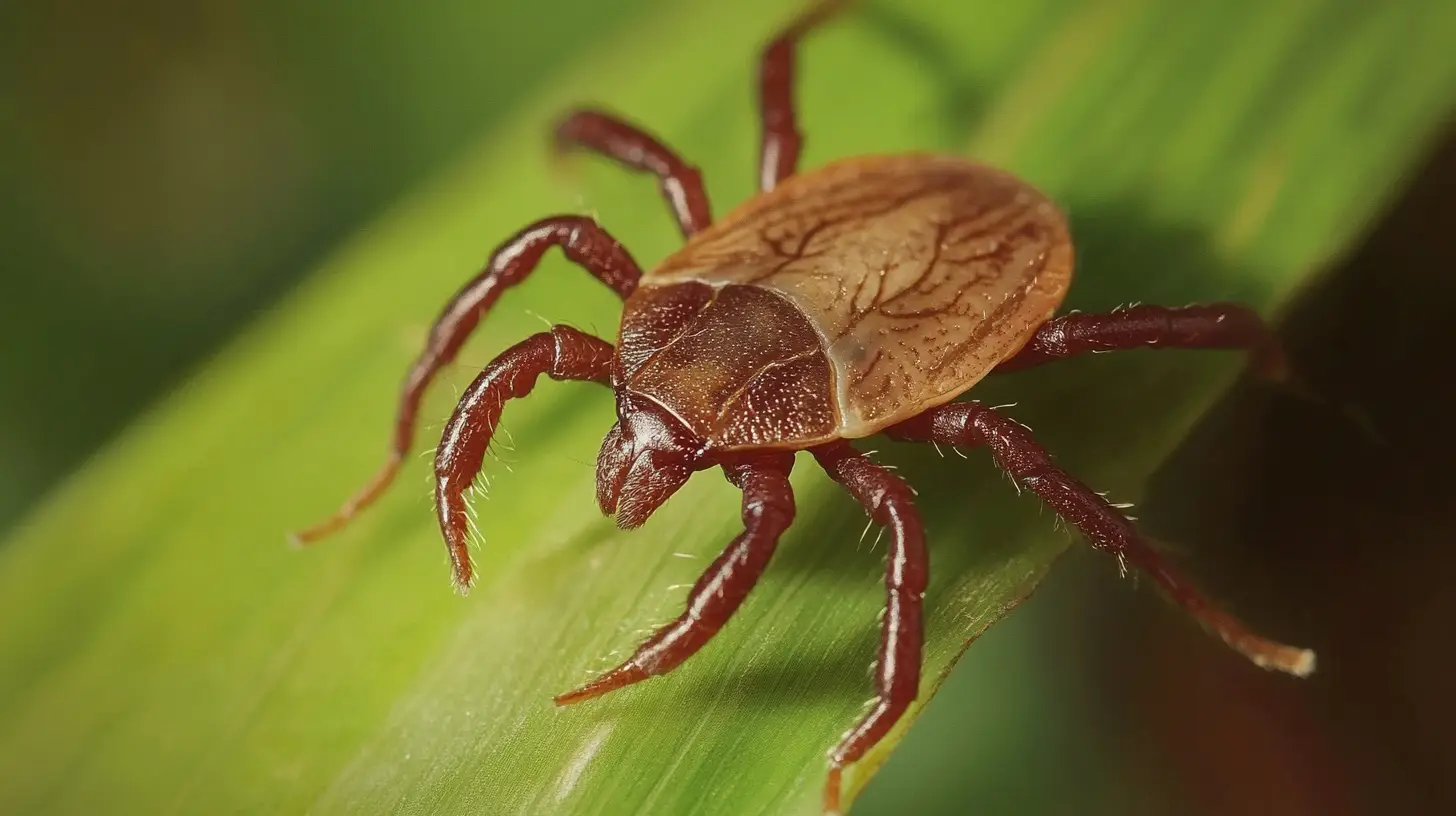
Both. Brown dog ticks are the most common around residential Sarasota — unlike most ticks, they breed indoors and out, which is why you find them around lanais, dog kennels, and cracks in the patio. Lone star and black-legged ticks show up more in the wooded and pasture edges east of town and in places like Oscar Scherer State Park. If you walk dogs there or at the Celery Fields, tick checks aren’t optional.
Will mowing and yard cleanup alone fix the problem?
It helps more than people think — sunlight and dryness kill flea larvae faster than most sprays — but cleanup alone won’t finish the job once an infestation is established. Pair it with a properly timed adulticide-plus-IGR program and you’ve covered both halves.
How long until I stop seeing fleas after a treatment?
You’ll usually see a sharp drop within a few days, but expect a second wave around two to three weeks in as dormant pupae hatch into the treated yard. That’s normal, not a failed treatment — it’s exactly why a single one-and-done service rarely sticks. A scheduled follow-up catches that second wave before it lays the next round of eggs.
Ready to stop chasing fleas in February? Request your free Sarasota flea and tick quote → and we’ll walk the property, map the hot zones, and build a schedule around your pet’s vet product.
For more on what lives in a Florida yard and how we treat it, browse our pest library.