A useful termite quote starts with identification and a property assessment. Cost then reflects the proposed method, treatment area, access, and any ongoing service or optional warranty. A single price without that scope is difficult to compare.
The calculator provides current available estimates. An inspection may be needed to confirm which service fits the findings.
Why identification comes first
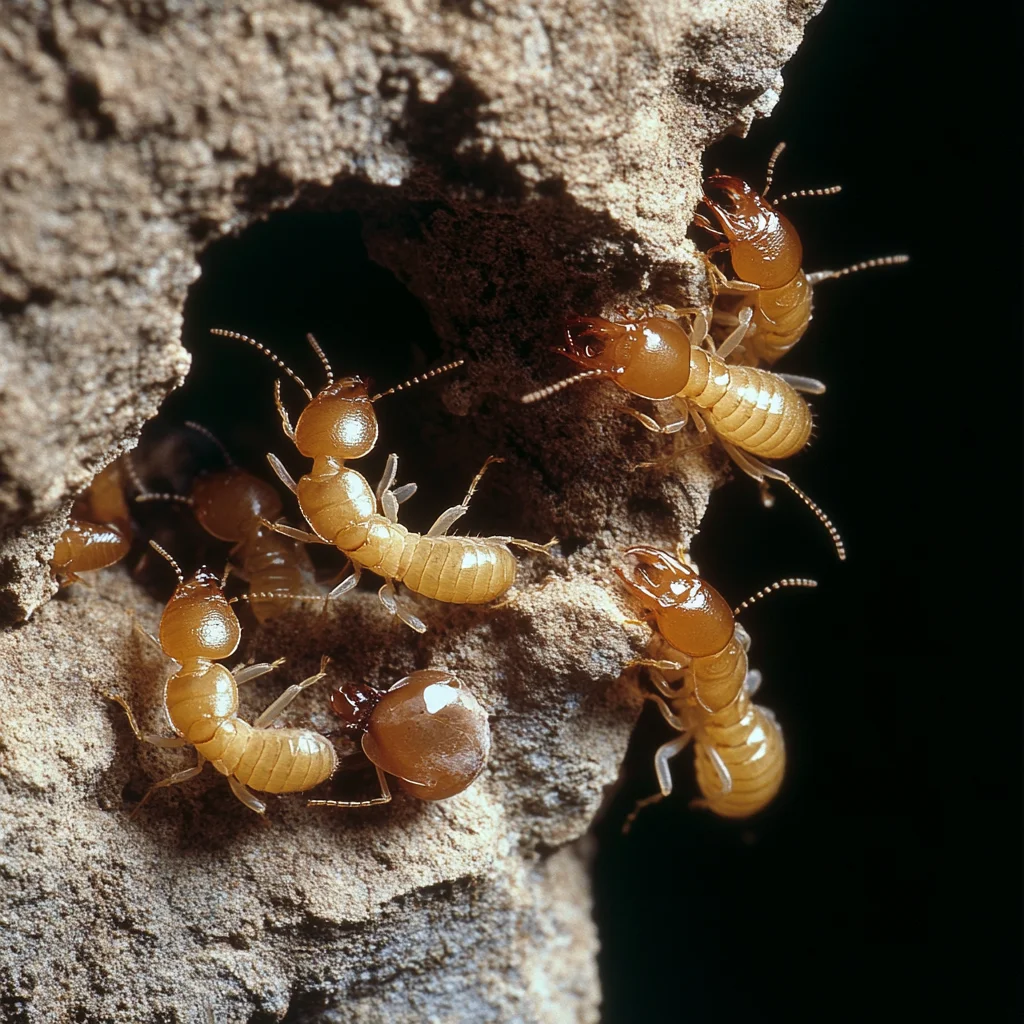
Different termite types require different treatment approaches. FDACS explains that a method intended for subterranean termites cannot simply be assumed to address drywood termites. Ask what evidence supports the identification and which organisms the proposed service covers. FDACS termite treatment guide
The subterranean and drywood termite profiles can help you describe what you saw. They do not establish a treatment plan for a building.
Put the scope beside the price
| Quote item | What to ask |
|---|---|
| Confirmed pest | What identification supports this proposal? |
| Property scope | Which structures, perimeter, or affected areas are included? |
| Method and access | What work will be performed, and what access is needed? |
| Follow-up | Which checks or monitoring are included? |
| Equipment | Who owns installed stations, if applicable? |
| Optional warranty | What coverage is offered separately, with what renewal terms? |
| Excluded work | Which repairs, areas, or conditions are outside the offer? |
Keep installation and continuing service clear
Ask the provider to separate the initial work from later monitoring or maintenance. For a bait program, compare equipment ownership and cancellation terms as well as the service schedule. Use the buying versus renting guide to organize those questions.
A treatment and a warranty do not mean the same thing. The termite bond guide explains the distinction. Never assume damage repair is included without finding that obligation in the agreement.
Compare an installation offer with a complete service offer
For example, an offer that lists station installation alone leaves different questions open from one that describes installation and scheduled monitoring. Ask whether the initial amount includes the first monitoring period, which later services are separate, and how equipment maintenance is handled. The examples describe quote structure, not a universal program or price.
The same discipline applies when access differs. A proposal should identify which areas can be inspected or treated and what remains outside the scope. If a contractor cannot assess an area yet, ask how that uncertainty affects the estimate and what further information would resolve it.
Write down any optional coverage separately from the proposed treatment. This makes it easier to see what you are buying now and which continuing obligations depend on a separate agreement or renewal. Keep the final version rather than relying on a verbal summary of an earlier estimate.
Common questions
What should you bring to an inspection?
Record the location and date of visible activity, keep any existing termite agreement, and note prior treatment information. Photograph accessible signs without opening walls or disturbing the area. The printable pest checklist can help organize the observations.
Can you compare a quote before all the details are known?
You can identify what remains unanswered. Ask the provider which assumptions the estimate uses and what findings could change the proposal. Compare the final written scope before making a decision; the lowest initial figure does not establish that two offers cover the same work.