Buying a place near the Bradenton Riverwalk and wondering what a Florida WDO report covers? WDO means wood-destroying organism. The report helps a buyer understand visible evidence of organisms that damage wood, along with the limits of what the inspector could access. Here is how to read that information before a Manatee County closing.
Need the formal report for a transaction? Start with the Bradenton WDO inspection service. The inspection and FDACS Form 13645 report are a paid service, priced separately from treatment. A free termite assessment tied to a treatment quote does not include the closing report. Confirm the property-specific fee and your deadline when booking.
What does a Florida WDO report cover?
A WDO inspection checks accessible areas for visible evidence of termites, wood-boring beetles, wood-decaying fungi, and other wood-destroying organisms. It is broader than a routine termite treatment assessment. Florida’s FDACS guidance for Form 13645 explains when the state report is required for a real estate inspection and confirms that the scope includes wood-decaying fungi.
If your lender requests an NPMA-33 insect report, ask about that additional paperwork before booking. It does not replace the Florida Form 13645 report. Confirm the required documents directly with the lender or closing agent, including for VA or FHA financing.
The report has limits worth understanding up front. It records what an inspector could see in the areas they could reach, on the day of the visit. Termites tucked inside a sealed wall or down under a slab never sign the guest book, so the report is not a promise that the house is termite-free.
| What you're comparing | WDO inspection for a sale | Routine termite assessment |
|---|---|---|
| Report you get | Florida FDACS Form 13645; confirm any additional lender forms | Treatment findings and recommendations; no closing report |
| Who requests it | Buyer, lender, or closing agent for a transaction | Homeowner investigating termite signs or treatment options |
| What gets inspected | Accessible areas for termites, wood-boring beetles, wood-decaying fungi, and other WDO evidence | Termite activity and conditions relevant to a treatment plan |
| Pricing | Paid inspection and report, separate from treatment | Free when tied to a termite treatment quote |
| What it does not do | Guarantee hidden areas are free of WDOs or assess structural soundness | Replace the formal WDO closing report |
Order the formal WDO report when your closing requires it; a treatment assessment serves a different purpose.
Why Bradenton homes land on the flag list
Buyers exploring pest concerns around Bradenton encounter a mix of older wood-frame homes, block homes, and newer construction. Around Old Manatee and the River District, accessible piers and floor framing can be important inspection areas. In West Bradenton and Palma Sola, roof edges, window trim, and other moisture-exposed wood deserve attention too. A neighborhood alone does not identify the organism: the inspector needs evidence from the property.
Subterranean termites may leave mud tubes between soil and wood. Drywood termites live within wood and can leave pellet-like frass below an infested board. Either type warrants identification rather than an assumption based on the home’s age or distance from the water.
For a newer home along the SR-70 corridor, gather the original termite-protection paperwork and any renewal records. Ask which areas were treated and whether a service agreement is still active. New construction and a prior treatment record do not replace a current inspection.
What the inspector covers, and how long it takes
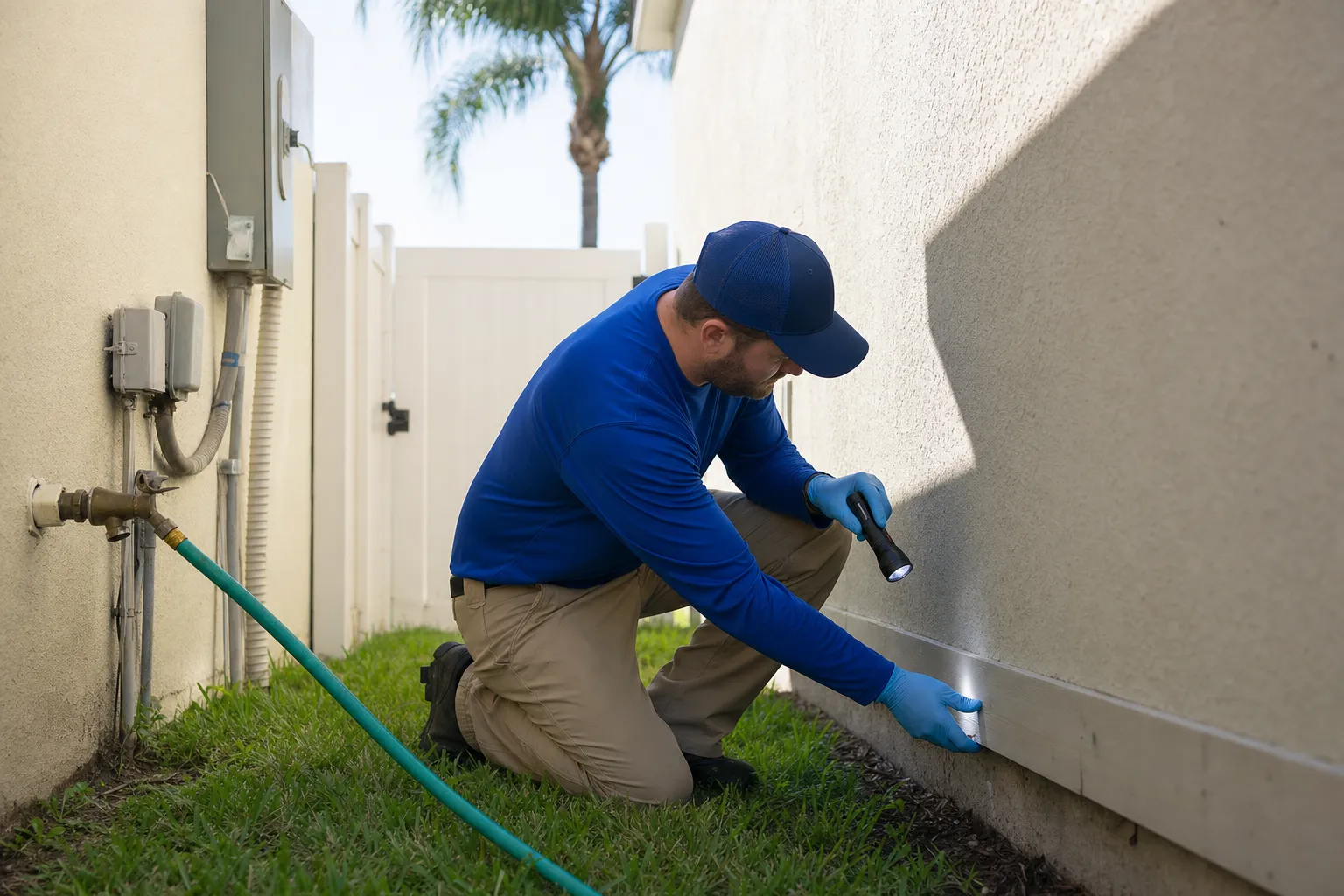
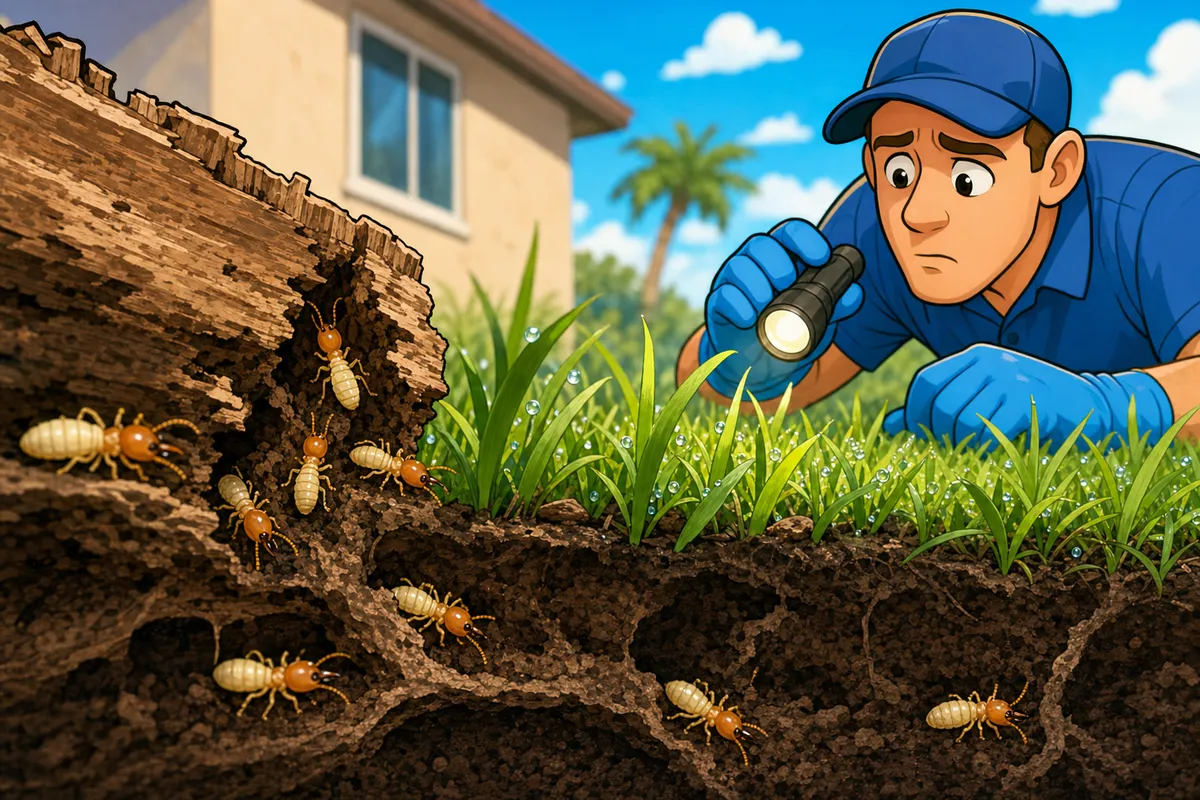
The Bradenton WDO service allows roughly 45 to 90 minutes on-site for a typical single-family home; size and access can extend the visit. The inspector walks the foundation and slab edge, checks framing and trim inside, checks the attic where safely accessible, eyeballs the garage where the slab meets wood, and pokes around the damp spots like under sinks and along the AC condensate line. On older homes with a crawl or sub-area, that gets checked wherever it is accessible. Species ID and photos go into a written report at the end.
Your home, zone by zone
Where a WDO inspector looks
A typical Southwest Florida home — potential inspection areas, subject to safe access.
- Foundation and slab edge Visible mud tubes and wood-to-soil contact.
- Entry points Accessible door frames and surrounding wood for damage or insect evidence.
- Eaves and soffits Visible wood damage, frass, or signs of decay.
- Weep holes and lower wall Visible termite evidence at accessible lower-wall openings.
- Garage corners Accessible framing and the slab-to-wall junction.
- Lanai Accessible wood and moisture-exposed trim around the screened area.
Schematic inspection locations, not a guarantee of access. Attics, crawl areas, and interior wood are also checked where accessible; obstructions belong in the report.
Here is the evidence that earns a note on the report:
On every inspection
What the inspector documents
- Mud tubes Pencil-width soil tunnels climbing foundations and piers, the calling card of subterranean termites.
- Frass pellets Tiny six-sided pellets that look like coffee grounds under wood trim, dropped by drywoods.
- Swarmers and wings Winged alates or shed wings on window sills, most often in spring after warm rain.
- Damaged wood Boards that sound hollow, blister, or crumble when you press them.
- Beetle evidence Small exit holes and powder-like frass in wood can indicate wood-boring beetles; identification is needed.
- Wood-decaying fungi Visible fungal growth or decayed, softened wood in moisture-exposed areas.
- Moisture Damp soil from condensate or irrigation at the foundation, which pulls subterraneans in.
The kinds of evidence a WDO inspector logs in accessible areas.
Do you actually need one?
Ask your lender and closing agent whether your transaction needs a WDO report, what documents they accept, and when they need them. Do this early enough to allow access, follow-up questions, and any separately arranged treatment or repairs.
Outside a transaction, termite signs may call for a treatment assessment. Beetle evidence or suspected wood decay deserves a broader WDO discussion. Neither a quiet walk-around nor an existing treatment agreement guarantees that hidden areas are clear.
How to read findings and access limits
Read the findings together with the inaccessible-area notes on the Florida WDO report form. Stored belongings, enclosed walls, insulation, and unsafe access can limit what the inspector sees. An excluded area is unknown, not cleared. Arrange safe access with the seller beforehand and ask whether any limitation warrants a return visit.
Evidence, live organisms, and visible damage are different findings. Ask the inspector to explain the location and identification before deciding on treatment. A WDO report is not a structural engineering assessment; visible damage may need a separate evaluation by a qualified building professional.
What you can check yourself first
You can do a safe walk-around without touching a single can of spray. Do a slow lap of the foundation and hunt for mud tubes, those pencil-width dirt tunnels running up the block or piers. Glance at window sills in spring for wings or winged swarmers. Put a flashlight on the trim and baseboards and listen for a hollow sound when you tap. Look below exposed boards and trim for pellet-like frass without prying off wood or entering unsafe spaces. Watch anywhere water pools against the foundation, because damp soil is what pulls subterraneans in, and between our afternoon storms and a leaky irrigation zone along the St. Augustine, that soil stays wet plenty of the year.
A few things to skip. Painting or caulking over frass or a kicked-out hole before an inspector sees it erases the evidence, so leave it be. Banking mulch or soil against the stucco above the slab line rolls out a welcome mat, and so does wood touching soil like stored lumber or a deck post planted in dirt, so clear those out. And put the hardware-store fogger down; guess the species wrong and the whole effort is wasted. Figure out what you are dealing with first, then treat it.
Fresh frass, active mud tubes, or wood that crumbles under a thumb is your cue to bring in a licensed inspector. Not sure what you are staring at? The pest library has photos to match against, and a straightforward pest inspection is the lighter option when you just want trained eyes on the place.
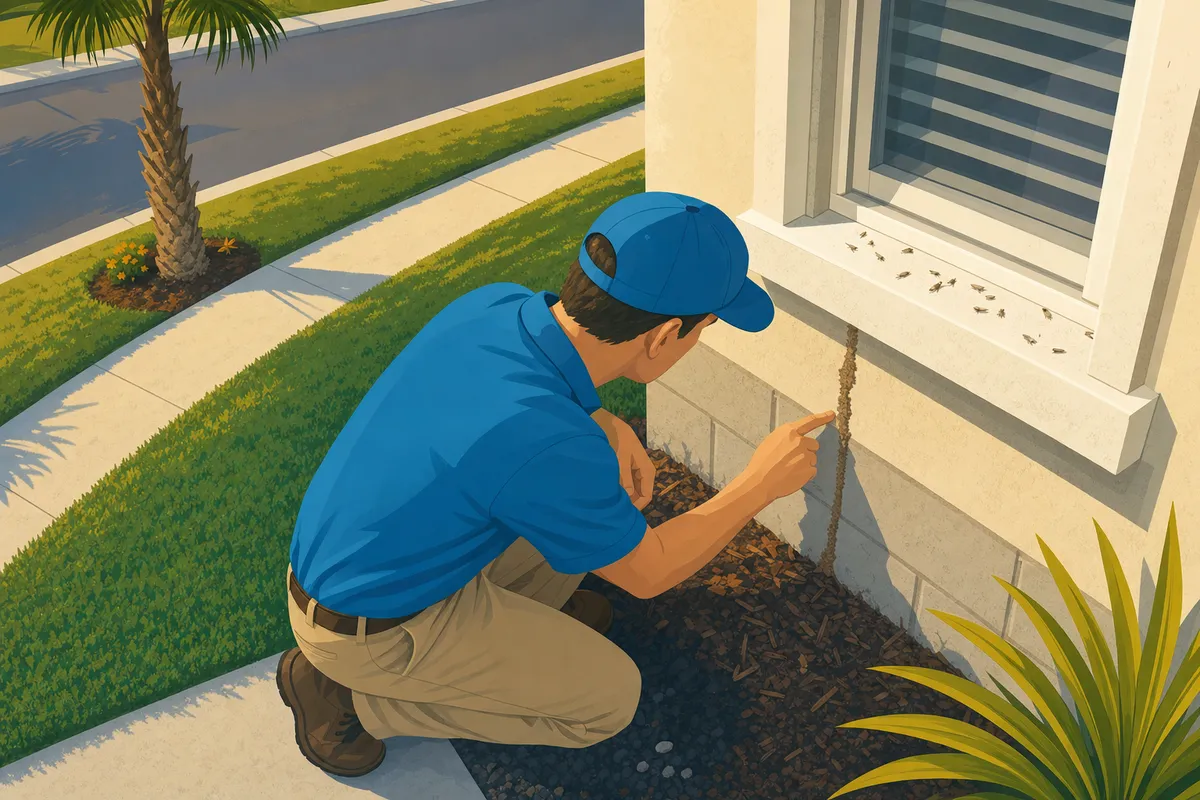
Pro tip: In spring, glance at your window sills before you call anyone. A little pile of see-through wings on the sill points to a swarm, and a quick photo gives your inspector a running start on species ID.
Our approach: inspection, treatment, and prevention
Waves documents the accessible evidence and inspection limitations in the paid WDO report. Treatment is a separate decision and quote. The free assessment offered with a termite treatment quote does not substitute for Form 13645.
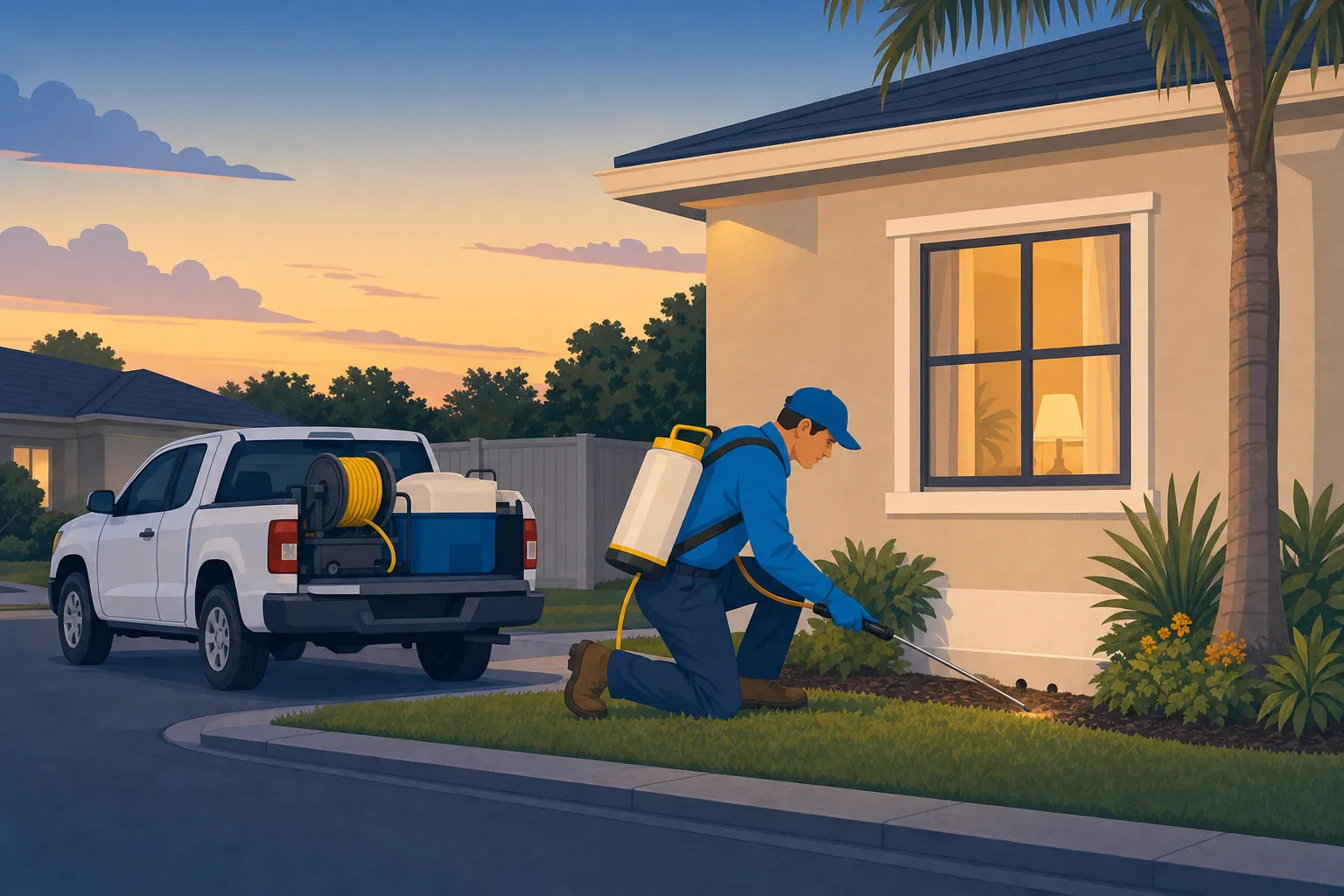
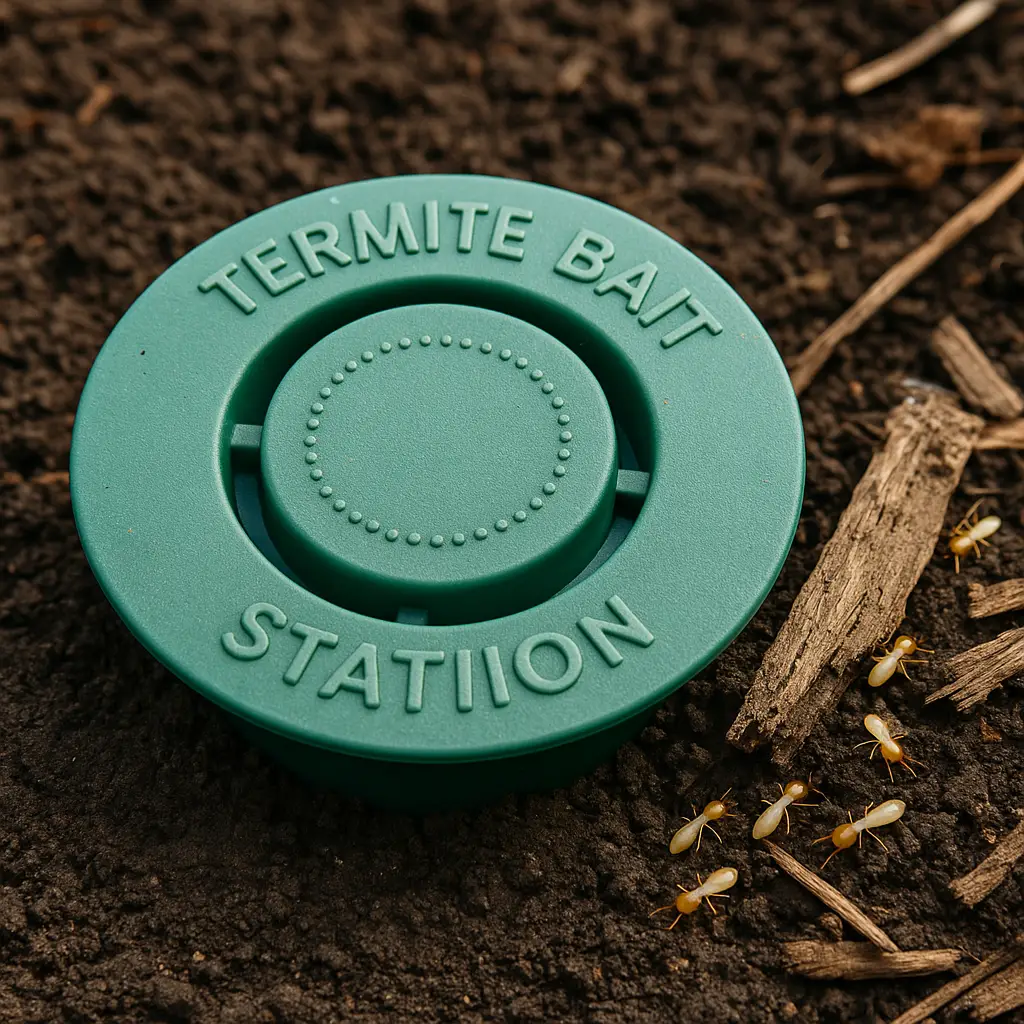
For subterranean termites, Waves offers in-ground bait stations with scheduled monitoring. For accessible drywood activity, localized spot treatment may be appropriate. Species, extent, and access determine the recommendation; a positive report does not by itself identify the right treatment. Waves does not tent or fumigate whole structures and refers work needing fumigation to a specialist.
Before any treatment, follow the product label and the technician’s preparation and re-entry instructions, including precautions for children and pets. Keep people and pets away from treatment areas as directed. Do not spray over evidence or disturb bait stations. Ask what follow-up visits and warranty terms apply to the proposed work.
Reduce conditions that favor future problems: address leaks and drainage, keep wood and stored lumber off soil, and keep mulch from hiding the foundation inspection line. These steps support prevention but do not eliminate an established infestation. The Bradenton termite control page covers treatment options.
For a closing, review the Bradenton WDO inspection service and arrange your report. Share the property details, access arrangements, required paperwork, and closing deadline so the inspection can be scoped and priced correctly.