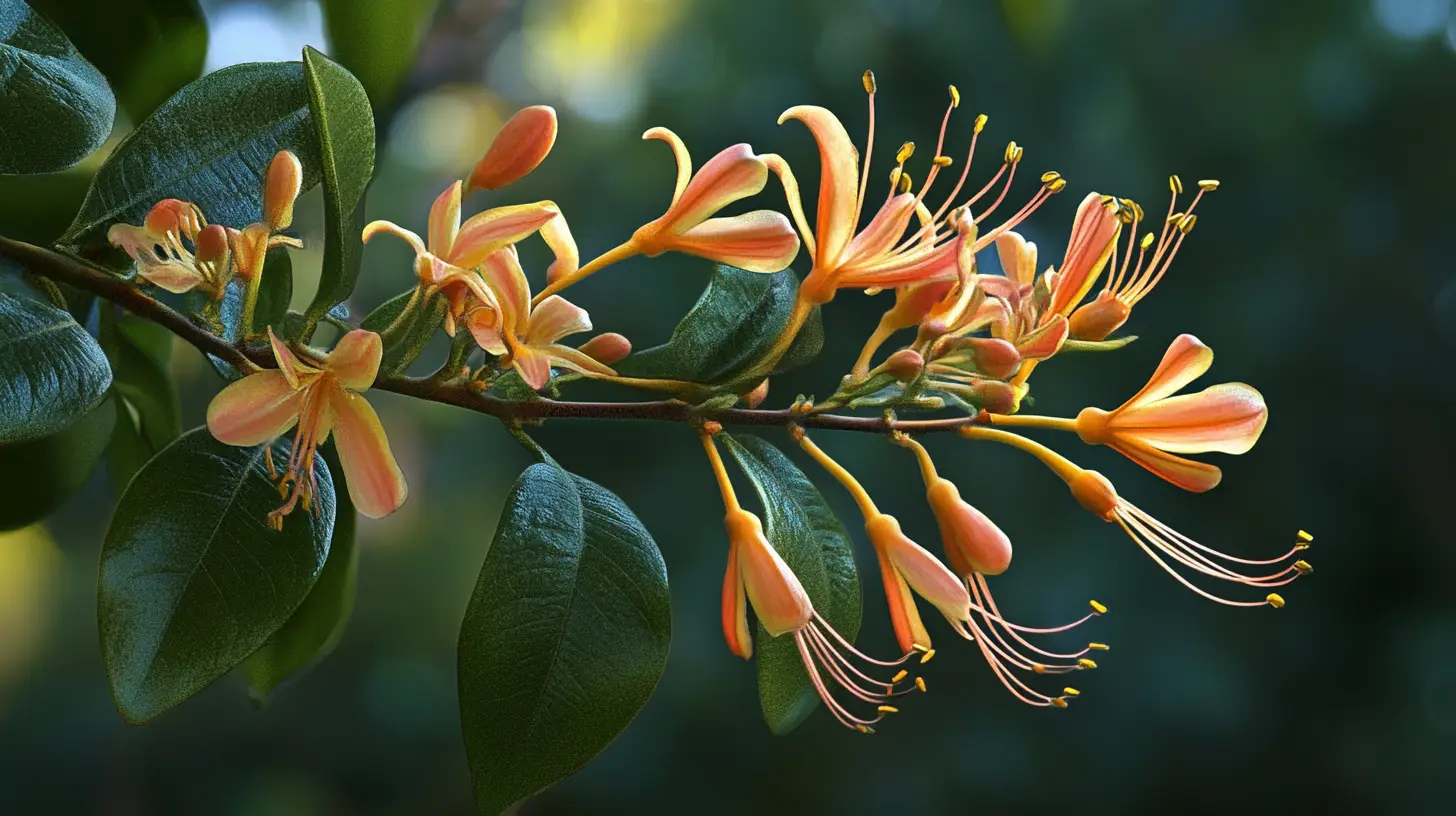
The easiest drought-tolerant plants for Southwest Florida are Florida natives: firebush, coontie, Simpson’s stopper, muhly grass, and beach sunflower. A few non-natives, such as bougainvillea and plumeria, also shrug off our dry spells. Once established, most of these need little or no irrigation. Two popular picks come with a catch: common lantana and sisal agave are invasive in Florida, so buy the native or sterile versions instead.
“Established” is the key word. A new shrub needs regular water for about 20 to 28 weeks, until its roots grow out into the surrounding soil (UF/IFAS). After that, the plants below can ride out most dry spells on rain alone.
Quick picker
| Plant | Florida native? | Light | Typical size | Good to know |
|---|---|---|---|---|
| Firebush | Yes | Full sun to part shade | 5–8 ft (can reach 15 ft) | Buy the native form, not ‘Dwarf’ or ‘Compacta’ |
| Coontie | Yes | Some shade to full sun | 2–3 ft | Poisonous to pets that chew it |
| Simpson’s stopper | Yes | Full sun to part shade | Up to 20 ft; ‘Compacta’ about 5 ft | Salt tolerant; takes poor drainage |
| Muhly grass | Yes | Full sun | 2–3 ft | Pink plumes in fall |
| Beach sunflower | Yes | Full sun | Low groundcover | Plant the Gulf coast subspecies |
| Bougainvillea | No | Full sun | Vine or shrub | Thorns; protect from frost |
| Plumeria | No | Full sun | Small tree | Cold-tender; sap irritates skin |
| Agave | One native species | Full sun | Rosette | Avoid sisal, which is invasive |
| Lantana | Native species exist | Full sun | Low shrub | Common lantana is invasive |
Firebush (Hamelia patens)
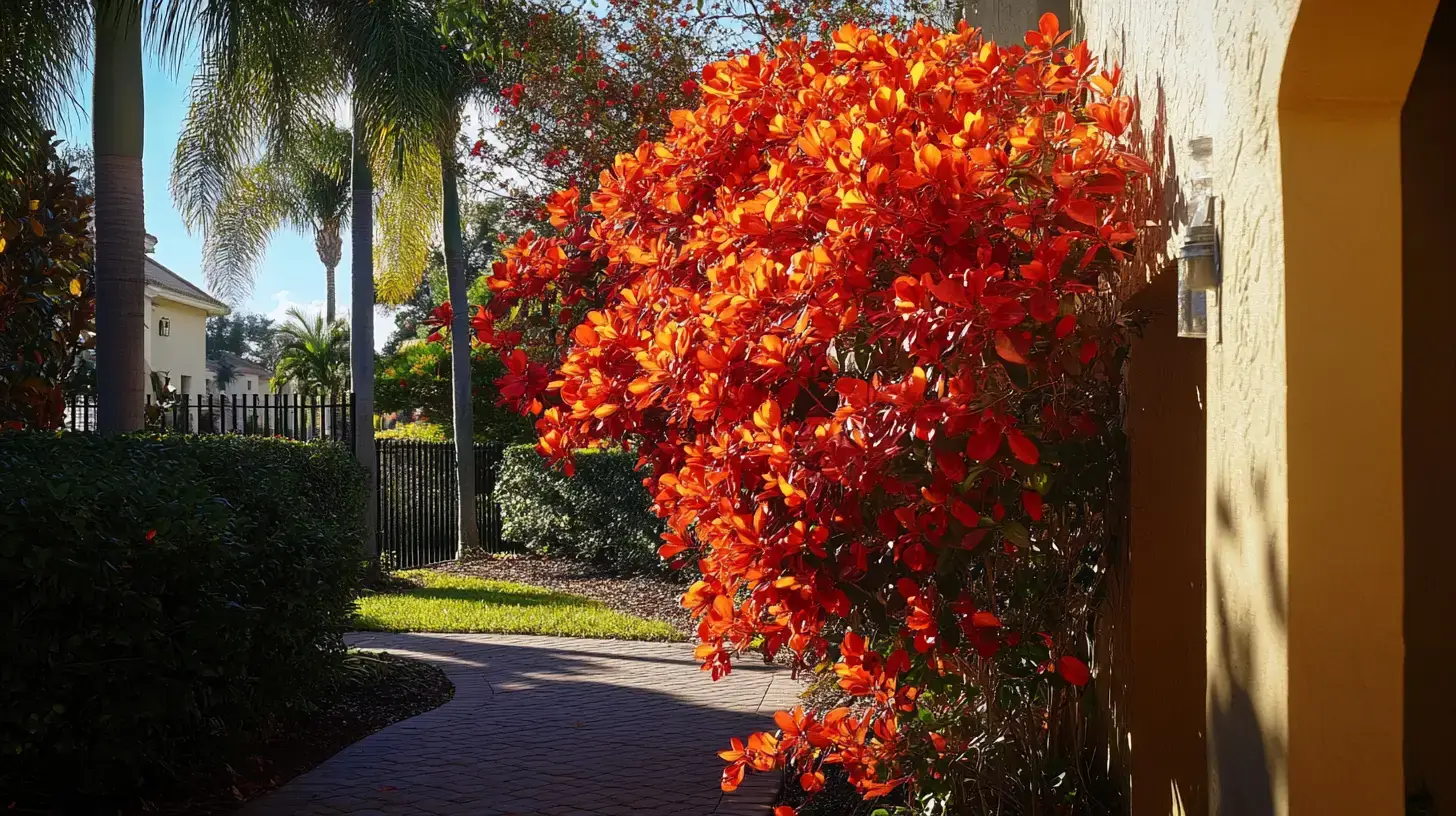
If you only plant one thing from this list, make it firebush. This Florida native flowers from late spring until the first frost. Hummingbirds and butterflies work the red-orange tubular flowers, and songbirds eat the berries (UF/IFAS).
- Light: Flowers best in full sun; tolerates part shade.
- Water: Heat and drought tolerant once established.
- Salt: Moderately tolerant of salt spray.
- Size: Can reach 15 feet this far south, but is easy to keep at 5 to 8 feet.
- Watch out: Nurseries sometimes sell a non-native firebush labeled ‘Dwarf’ or ‘Compacta.’ Ask for the native plant.
Put it where you can see it from a window or the lanai. The hummingbird traffic is the best part.
Coontie (Zamia integrifolia)
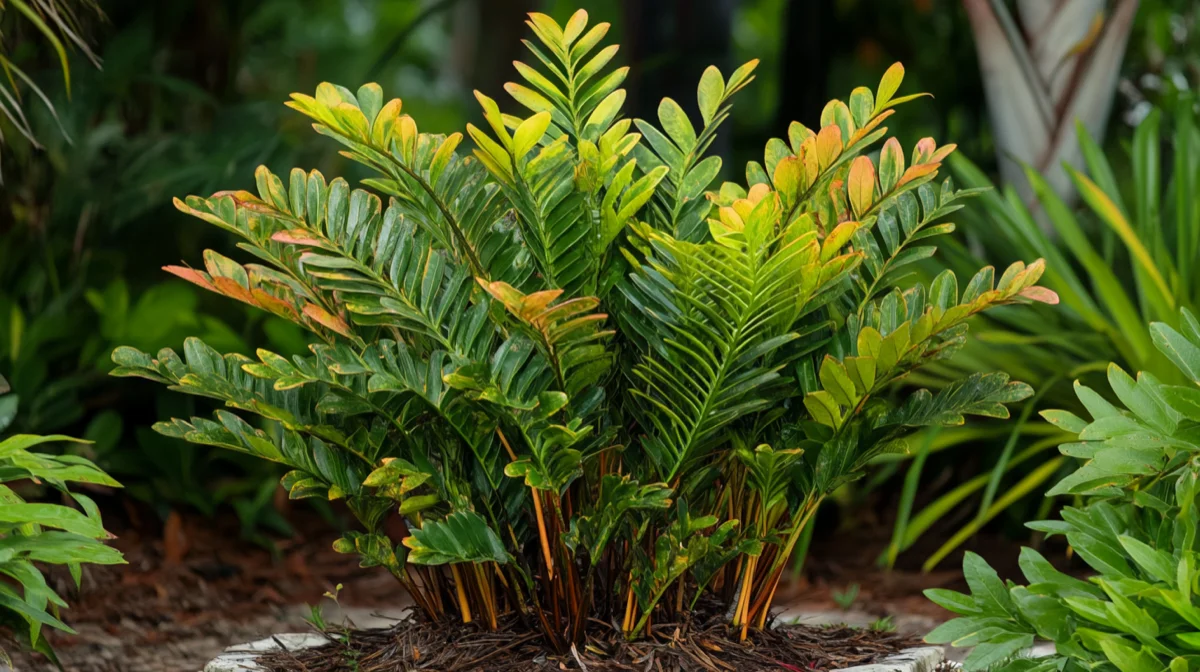
Coontie is the only cycad native to the United States. It forms a low, feathery mound 2 to 3 feet tall and stays green all year. It has high drought tolerance and moderate salt tolerance, and it grows best in some shade but handles full sun (UF/IFAS). It’s also the preferred food of the caterpillars of the rare atala butterfly.
- Light: Some shade is ideal; full sun works.
- Water: Very little once established. It dislikes soggy soil.
- Use it for: Dry shade under trees, borders, and low foundation plantings.
- Watch out: Coontie is poisonous to dogs and cats, and the seeds are the most dangerous part (ASPCA). Skip it if you have a dog that chews plants.
Simpson’s stopper (Myrcianthes fragrans)
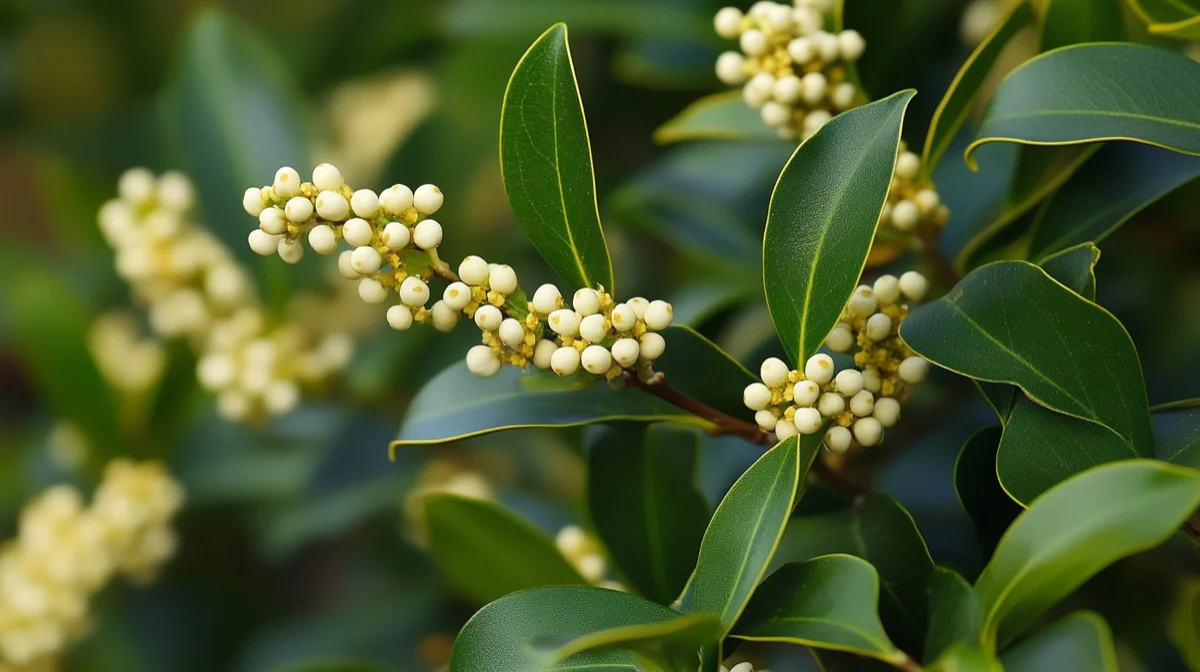
Simpson’s stopper is a Florida native that works as a hedge, a screen, or a small tree. It has fragrant white flowers, orange-to-red berries that cardinals, blue jays, and mockingbirds eat, and flaky reddish-brown bark (UF/IFAS).
- Light: Full sun makes it dense enough for a hedge; part shade shows off the bark.
- Water: Needs little to no irrigation once established, and it tolerates poorly drained spots.
- Salt: A good coastal choice. It tolerates salt and alkaline soil.
- Size: Can reach 20 feet. The ‘Compacta’ cultivar stays around 5 feet.
Muhly grass (Muhlenbergia capillaris)
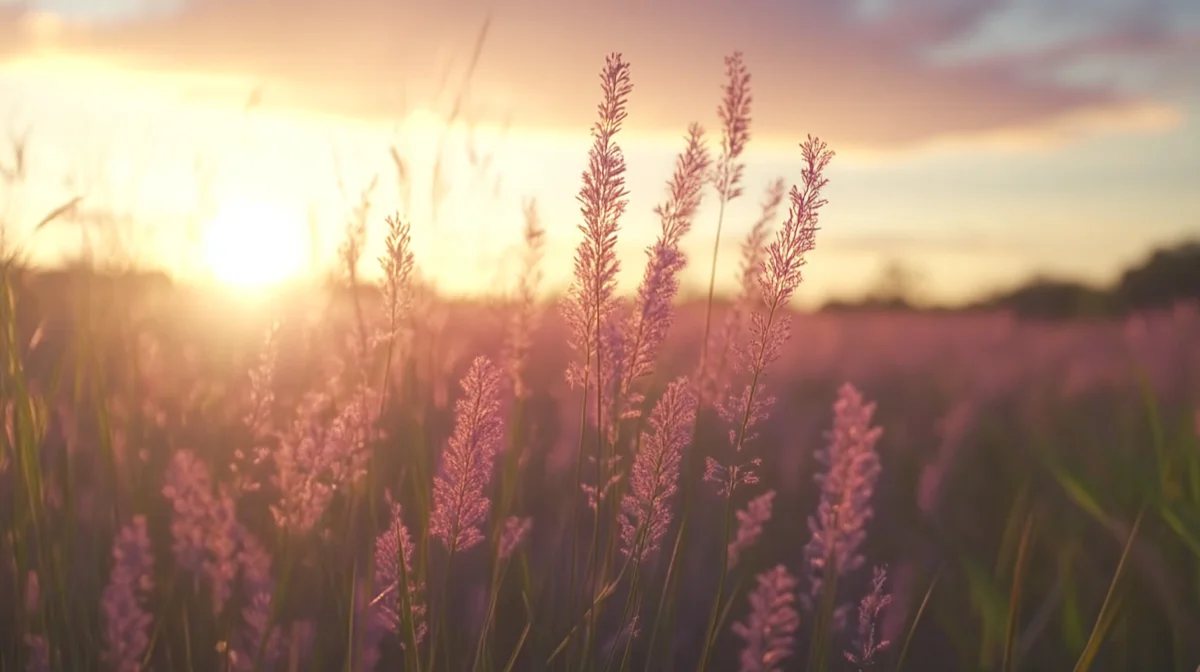
Muhly grass grows wild in Florida’s pine flatwoods and coastal uplands. Most of the year it’s a tidy clump 2 to 3 feet tall. In fall it sends up pink-to-purple plumes that can reach 5 feet (UF/IFAS).
- Light: Full sun.
- Water: Good drought tolerance once established.
- Care: Cut it to the ground in late winter, before new growth starts. Space plants 2 to 3 feet apart.
- Use it for: Drifts along a driveway or walk. A white-flowered form is also sold.
Beach sunflower (Helianthus debilis)
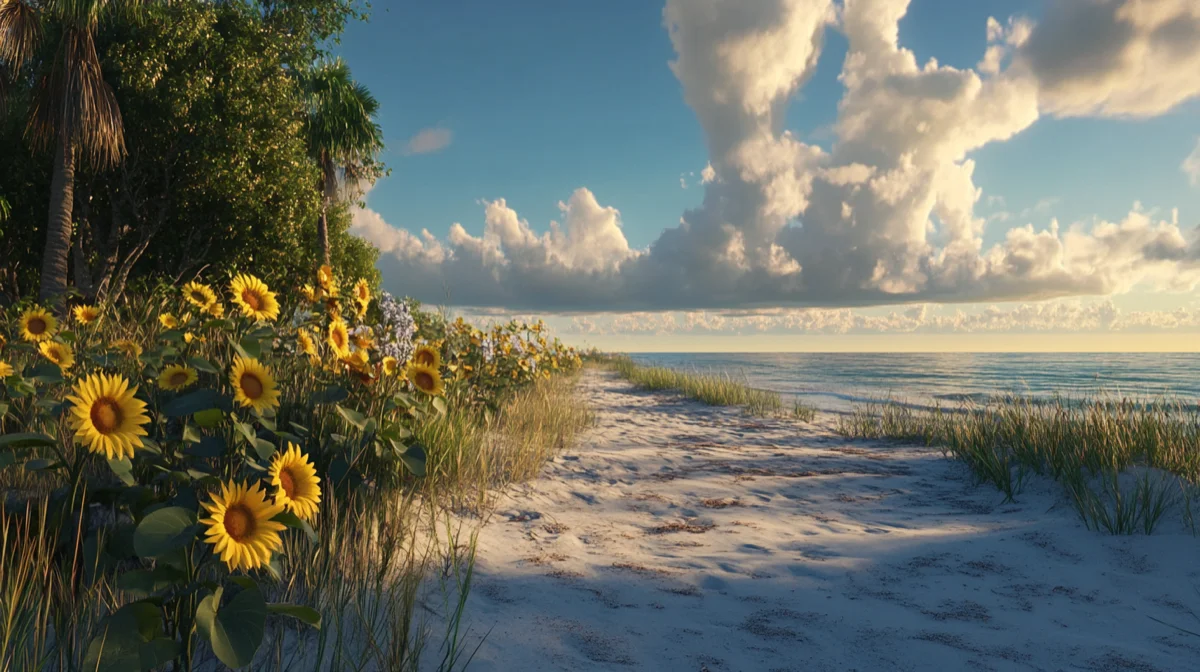
Beach sunflower is a native groundcover for hot, dry, sunny spots. It blooms almost year-round with 2-inch yellow flowers, spreads, and reseeds itself to fill in (UF/IFAS).
- Light: Full sun only.
- Water: Little to no irrigation once established.
- Salt: Handles salty soil and heavy salt spray, so it’s a natural fit near the beach.
- Buy the local kind: Florida has more than one subspecies. On our coast, look for the west coast dune sunflower (H. debilis subsp. vestitus), which grows wild from Pinellas County south to Lee County. UF/IFAS asks gardeners not to plant the east coast type here, so the two don’t cross.
Bougainvillea
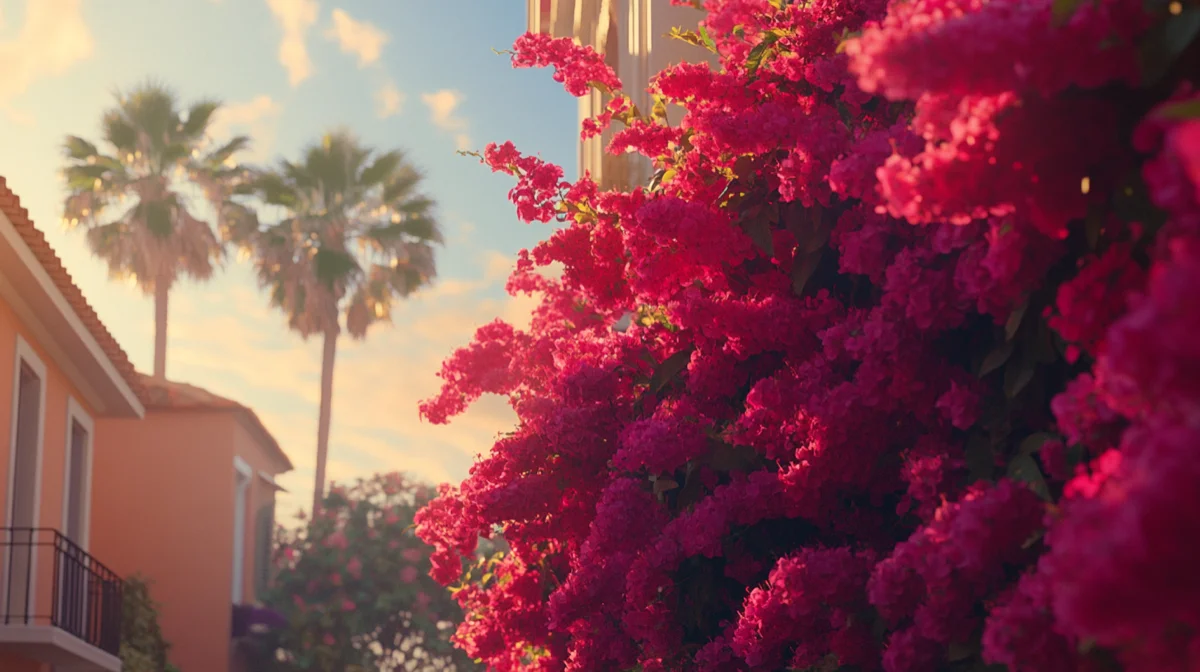
Bougainvillea isn’t native, but it’s built for dry conditions. It comes from arid climates and flowers better when its soil stays a little dry (UF/IFAS).
- Light: Full sun. More sun means more color, and without direct sun it won’t bloom.
- Water and fertilizer: Don’t overwater, and go easy on nitrogen, which trades flowers for leaves.
- Cold: Protect it from frost and freeze.
- Watch out: Many cultivars have sharp thorns. Keep it away from walkways and wear heavy gloves to prune.
Plumeria
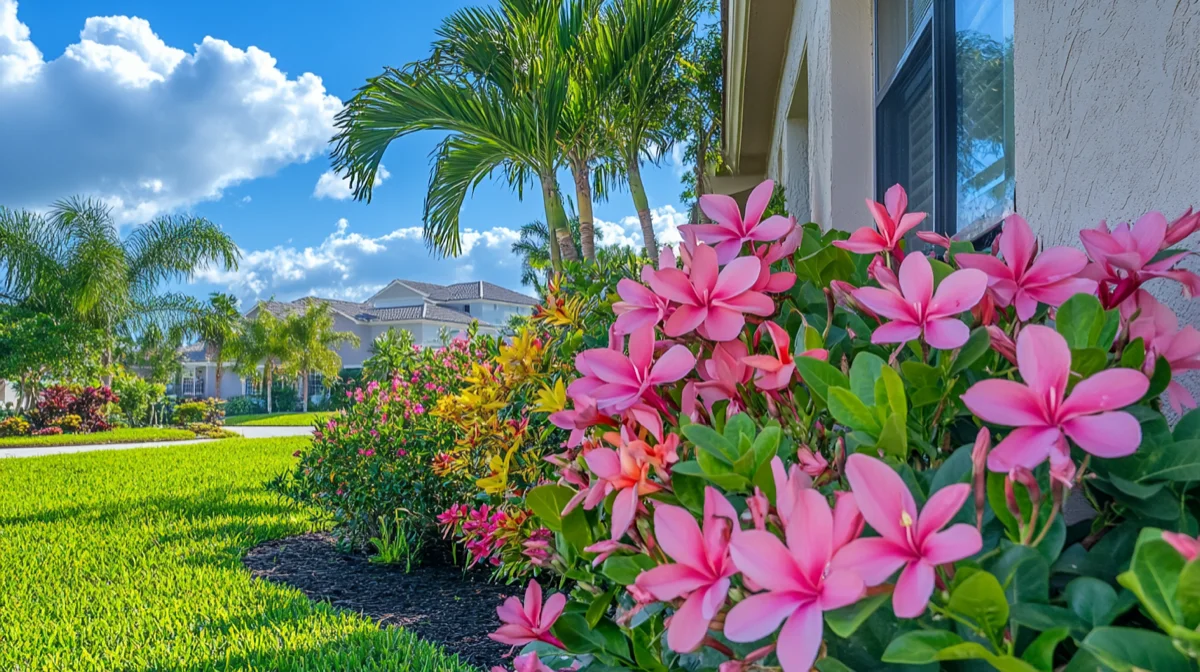
Plumeria (frangipani) comes from the Caribbean, not Hawaii. Its fragrant white, yellow, pink, or red flowers make it a lanai favorite, and it’s fairly drought- and salt-tolerant once established (UF/IFAS).
- Light: Full sun.
- Cold: It does best in USDA zones 10B–11. Most of our area is zone 10a, so a hard freeze can damage it. Cover it on freeze nights, or grow it in a large pot you can move.
- Winter: Most plumerias drop their leaves in winter. That’s normal dormancy, not a dying plant.
- Watch out: The sap irritates skin. Rust, a fungus that builds up under the leaves, is the most common problem.
Agave
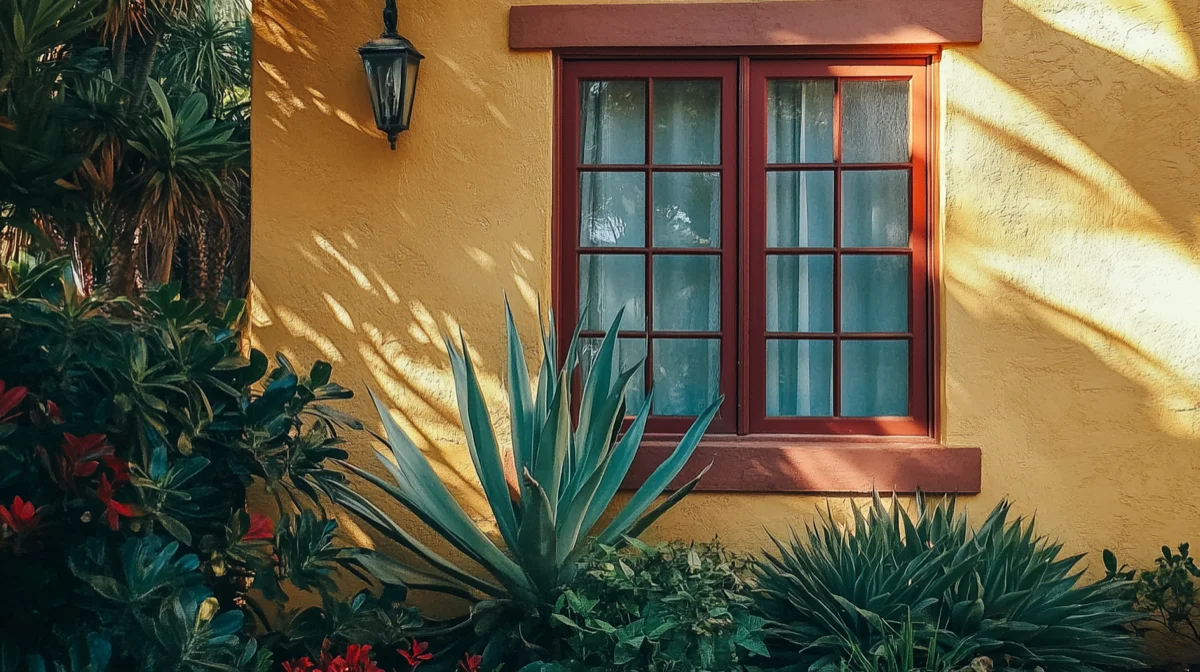
Agaves form bold rosettes of thick, pointed leaves and need almost no water. Most bloom only once, after many years, and the rosette dies after flowering. Pick the species carefully:
- Good choice: The Florida agave, or false sisal (Agave decipiens). It’s native to southern peninsular Florida, north along the Gulf coast to Manatee County, and handles heavy salt spray (FNPS).
- Avoid: Sisal (Agave sisalana), a listed invasive in Florida that spreads by dropping small plantlets from its flower stalk (FNAI).
- Watch out: The leaf tips are sharp. Keep agaves back from walkways, pool decks, and play areas.
Lantana
Lantana is heat-, salt-, and drought-tolerant, and butterflies love it. The catch: the common garden lantana is invasive in Florida. It spreads into disturbed land and is toxic to livestock (UF/IFAS). Better options:
- Native lantanas: Lantana involucrata and Lantana depressa, from a native-plant nursery.
- UF/IFAS sterile cultivars: ‘Bloomify Red’, ‘Bloomify Rose’, and ‘Luscious Royale Red Zone’ flower heavily and don’t reproduce.
- Watch out: The leaves are highly toxic to animals, and the unripe berries are poisonous. Plant it away from where pets and small kids graze.
How to plant them so they survive the first year
Drought-tolerant plants still need help getting started. This is UF/IFAS guidance for our part of the state (planting, watering, mulch):
- Timing. Plant at the start of the rainy season, usually June here, so summer storms do most of the watering. Avoid hot, dry stretches like April and May.
- The hole. Dig it at least one and a half times as wide as the root ball, and set the plant so the top of the root ball sits an inch or two above the surrounding soil.
- Soil. Don’t add compost to the planting hole. To improve the soil, amend the whole bed, or spread compost on top after planting.
- Water. South of Orlando, give a 3-gallon shrub about a gallon of water every four days until it’s established, which takes about 20 to 28 weeks.
- Mulch. Spread about 3 inches of organic mulch, such as pine bark, pine straw, or melaleuca. Keep it off the root ball and at least 2 inches from the stems.
- After that. Water only when plants start to wilt. During dry spells in the first year, give 1 to 2 gallons when less than a quarter inch of rain falls in two weeks.
Watering days for new plants still follow your county and water-management district rules, so check the current schedule before you set the timer.
The pest-control angle
This is a pest control blog, so here’s the part most plant lists skip. Heavy irrigation and deep mulch against the house don’t just waste water. They create the damp, sheltered strip that roaches, ants, and termites like.
- Keep mulch off the stucco. Mulch or soil piled above the slab line holds moisture against the wall and hides termite mud tubes. Keep the slab edge visible.
- Group plants by water need. Put thirsty plants on their own irrigation zone, so the drought-tolerant beds along the house can stay drier.
- Fix drips at the foundation. A leaking sprinkler head or AC condensate line soaking the slab invites pests.
- Keep sprays off the flowers. Firebush, lantana, and beach sunflower feed butterflies and bees. Any pest treatment nearby should stay off the blooms.
If your beds are drier but ants or roaches still work the foundation, see what pest control in Bradenton involves, or get a price from our pest control calculator.
Frequently Asked Questions
When is the best time to plant drought-tolerant plants in Southwest Florida?
At the start of the rainy season, usually June, so summer rain does most of the watering while roots establish. Avoid the hot, dry weeks of April and May. Fall planting also works, since cooler weather is easier on new plants, but plan on watering through the dry winter.
Do drought-tolerant plants need irrigation once they’re established?
Most native and Florida-Friendly shrubs can live on rainfall once established, which takes about 20 to 28 weeks. After that, water only when you see wilting, and give extra water during long dry spells in the first year.
Should I amend my sandy soil before planting?
Not in the planting hole. UF/IFAS advises against adding compost to individual holes. If you want richer soil, amend the whole bed or top-dress with compost after planting.
How do I know when they need water?
Look for wilting, folded or curled leaves, or a dull gray-green color. Water deeply when you see those signs, then let the soil dry out again.
What’s the best mulch for drought-tolerant beds?
Organic mulch about 3 inches deep: pine bark, pine straw, fallen leaves, melaleuca, or eucalyptus. Rock, gravel, and shell don’t add nutrients or help the soil hold water, and UF/IFAS discourages cypress mulch because it comes from wetlands.
Do these plants need fertilizer?
Usually very little. Too much nitrogen can mean more leaves and fewer flowers, especially on bougainvillea. If you do fertilize, stay outside the June 1–September 30 summer fertilizer ban in Sarasota and Manatee counties.