Native plants can be a good fit for Southwest Florida yards, but “native” doesn’t mean every plant handles every yard. Light, soil, salt exposure and winter cold decide what works, and the sources don’t always agree. This guide covers five native picks for Manatee and Sarasota County yards, with what UF/IFAS and the Florida Native Plant Society (FNPS) say about each, plus one legacy pick we dropped because it turns out not to be a Florida native.
First, check your zone
Hardiness zones can differ from one yard to the next. Look up your ZIP code on the USDA Plant Hardiness Zone Map. UF/IFAS publishes Florida-Friendly Landscaping pattern books for zone 9B and for zones 10A, 10B and 11, so use whichever matches your result.
Five native Florida plants to consider
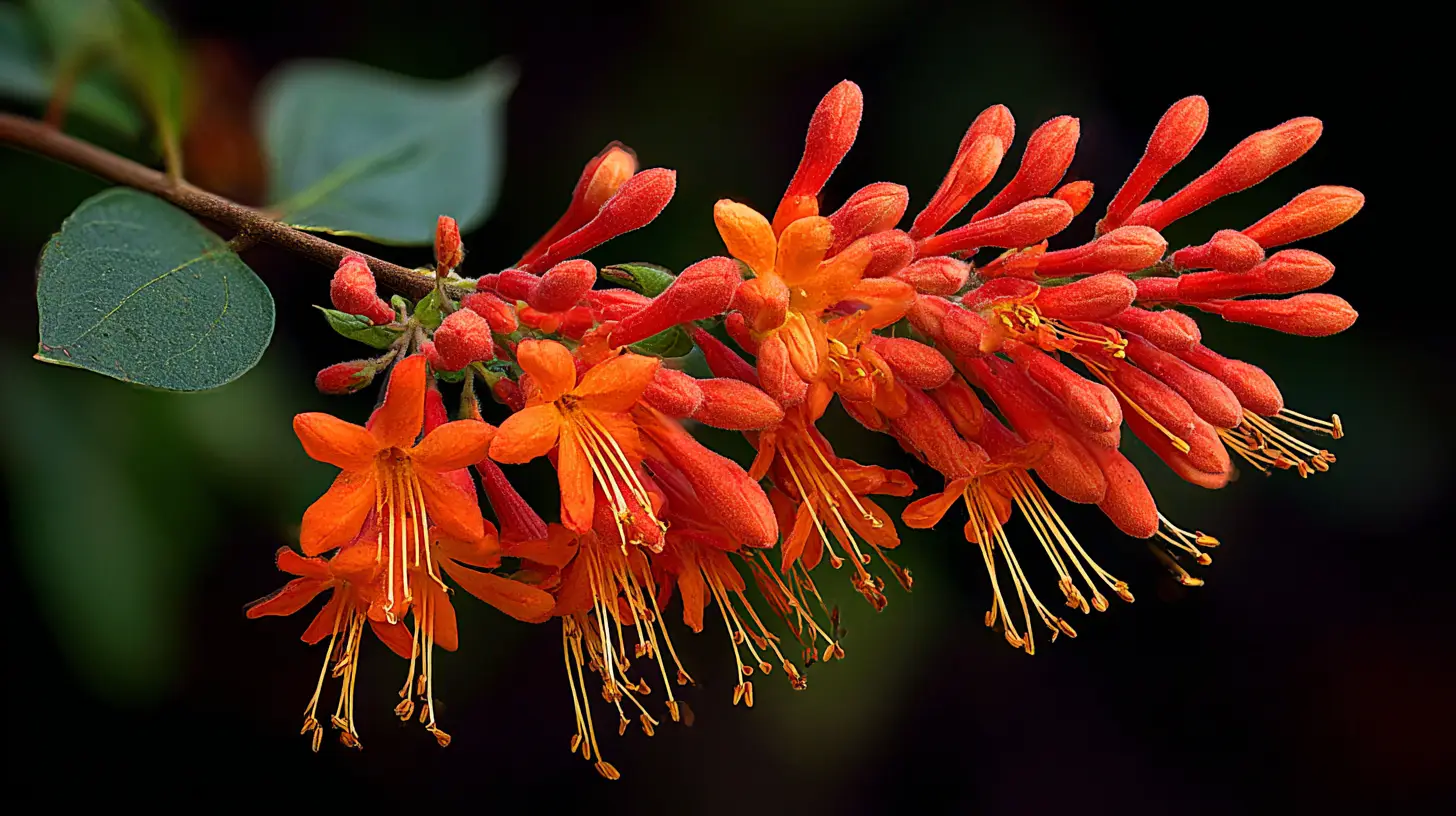
Firebush (Hamelia patens)
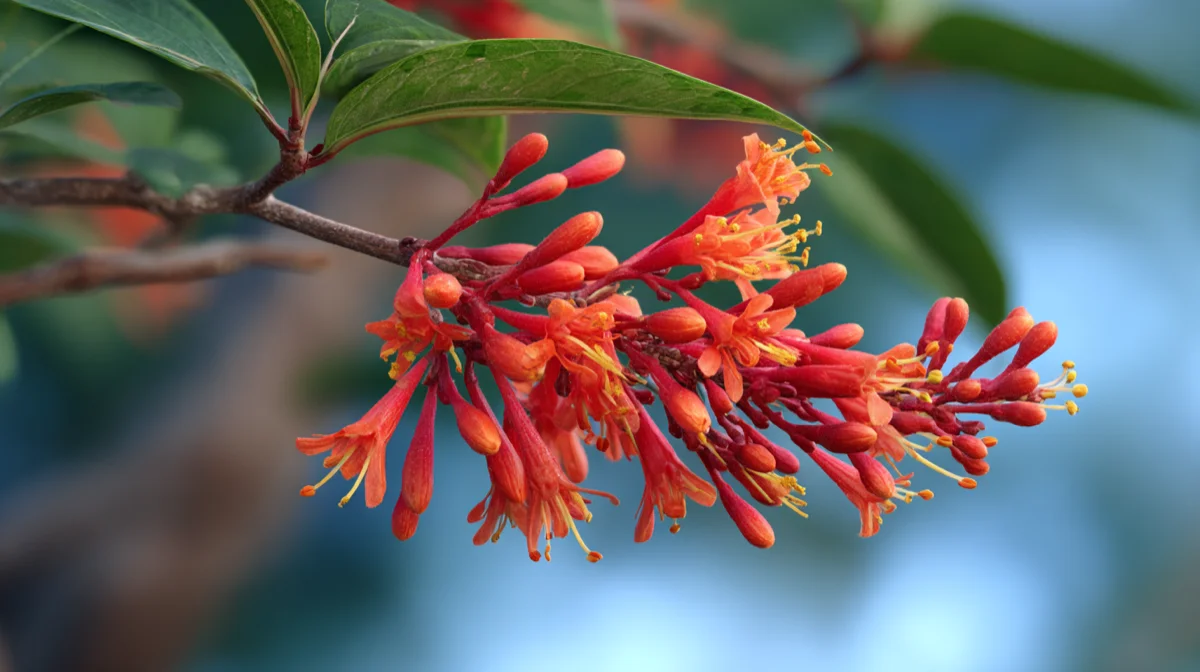
- Buy the native one: UF/IFAS says dwarf firebush (Hamelia patens var. glabra) is a related plant that is not native, and it may be sold as ‘Dwarf’ or ‘Compacta’. Ask for the native Hamelia patens.
- Light: full sun gives the best flowering, but partial shade works, according to UF/IFAS Gardening Solutions.
- Size: UF/IFAS says it can reach 15 feet in South Florida but is easily kept to 5 to 8 feet. FNPS lists up to 20 feet tall by 10 feet wide.
- Drought: UF/IFAS calls it heat and drought tolerant once established. FNPS says it prefers moderate moisture and that extreme dryness isn’t ideal.
- Salt: the two sources disagree. UF/IFAS calls it moderately tolerant of salt spray; FNPS lists low or no tolerance of salty wind or direct spray. If you’re on the water, plant it on the sheltered side of the house.
- Cold: FNPS notes it is cold sensitive and usually resprouts from the base after a freeze.
- Wildlife: UF/IFAS says the red flowers attract hummingbirds and butterflies, including zebra longwing and gulf fritillary, and songbirds eat the berries. FNPS lists it as a larval host for the pluto sphinx moth.
- Pests: UF/IFAS says it has no serious insect or disease problems.
Coontie (Zamia integrifolia)
- Light: grows best in some shade but tolerates full sun or full shade, per UF/IFAS.
- Size: typically 2 to 3 feet tall.
- Drought and salt: UF/IFAS gives it high drought tolerance and moderate salt tolerance.
- Wildlife: it is the only cycad native to the United States and the preferred larval food of the rare atala butterfly. A UF/IFAS Extension Sarasota County post reports atalas on the Extension grounds at Twin Lakes Park.
- Caution: UF/IFAS says all parts of coontie are poisonous, with the seeds the most toxic, and that poisoning can cause vomiting, bloody diarrhea, liver failure and, in some cases, death. Think twice about planting it where young children or pets that chew plants can reach it, and talk to your vet if you have pets.
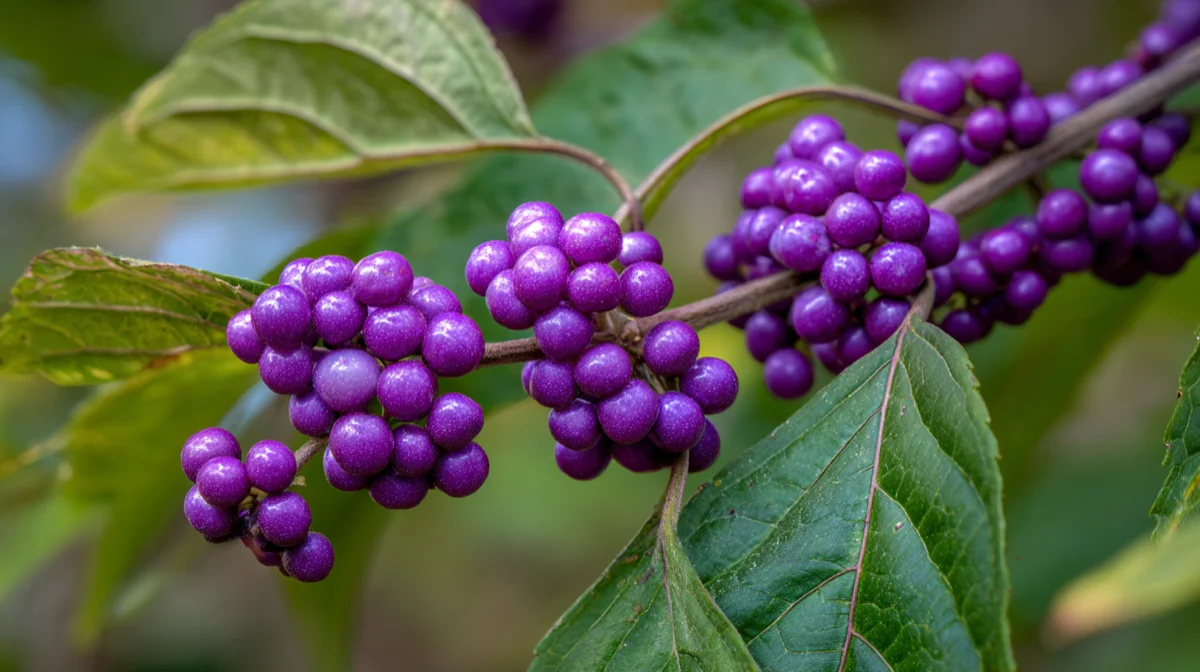
American beautyberry (Callicarpa americana)
- Light: UF/IFAS says it does best in full sun and tolerates heavy or filtered shade.
- Size: 3 to 8 feet tall and 4 to 8 feet wide.
- Drought: drought tolerant once established.
- Salt: treat this one as a not-on-the-water plant. UF/IFAS says it should not be grown in coastal areas because it isn’t salt tolerant. FNPS allows some tolerance to salty wind but not direct spray, and none to salty or brackish flooding.
- Wildlife: FNPS lists it as a host for spring azure butterflies and snowberry clearwing moths, and says many birds eat the fruit, including catbirds, mockingbirds and robins.
- Pruning: UF/IFAS suggests pruning between late fall and late winter for the best fruiting.
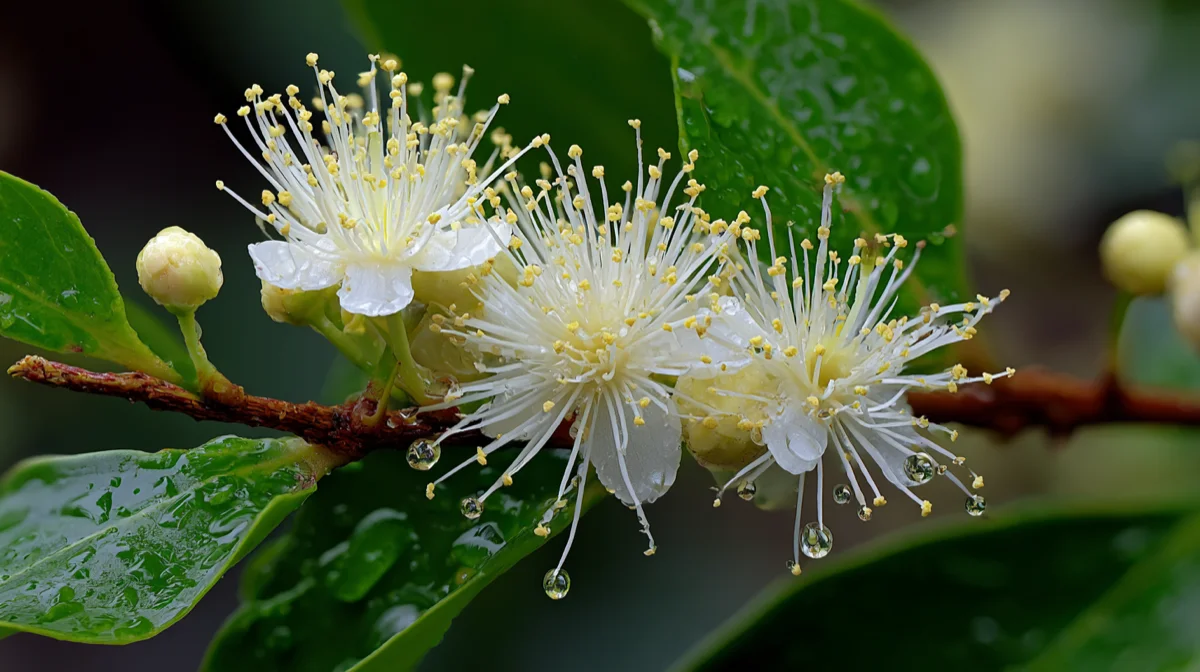
Simpson’s stopper (Myrcianthes fragrans)
- Light: full sun to partial shade, per UF/IFAS.
- Size: the standard form can reach about 20 feet, while the ‘Compacta’ cultivar stays near 5 feet. FNPS gives 5 to 20 feet tall.
- Drought: drought tolerant once established.
- Salt: UF/IFAS calls it tolerant of salt and alkaline conditions. FNPS is more cautious: some tolerance to salty wind, not direct salt spray or salty flooding.
- Zones: UF/IFAS recommends it for zones 8b to 11; FNPS lists 10A to 11. In a cooler 9b pocket, ask a local nursery first.
- Wildlife: UF/IFAS says the flowers draw pollinators and the orange-to-red berries feed birds such as cardinals and mockingbirds.
- Pests: very few insect or disease problems, though UF/IFAS says stressed plants can develop guava rust, a fungal disease.
Beach sunflower (Helianthus debilis)
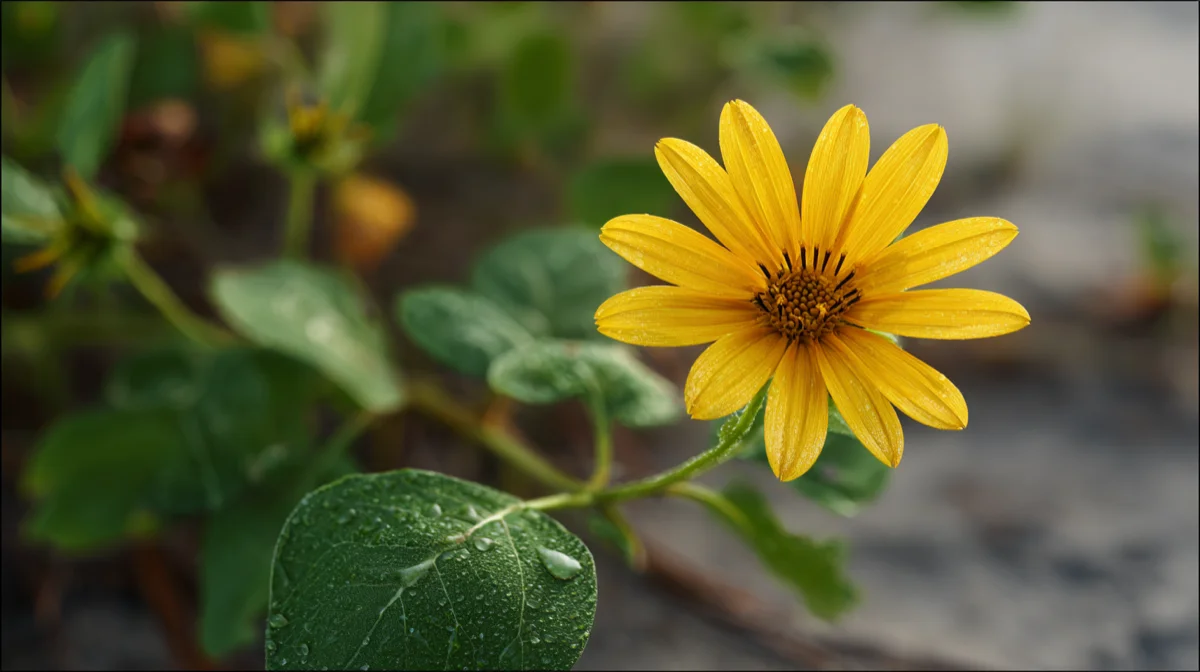
- Light and soil: full sun and sandy, well-drained soil, per UF/IFAS.
- Size: 2 to 4 feet tall and wide.
- Salt and drought: UF/IFAS says it handles salt in the soil and high salt spray, and is drought tolerant once established.
- Wet feet: overwatering can cause sunflower rust, a defoliating disease, so keep it off a busy sprinkler zone.
- Wildlife: several butterfly species visit the flowers and birds eat the fruits.
- Subspecies: for Manatee and Sarasota, look for the west coast dune sunflower (Helianthus debilis subsp. vestitus), which UF/IFAS says grows on Gulf Coast dunes from Pinellas County south to Lee County. UF/IFAS warns that west coast and east coast types shouldn’t be swapped, because a non-local type can hybridize with the local one. (The FNPS profile linked above is for the east coast subspecies.)
A legacy pick we dropped: blanketflower
Many older lists include blanketflower (Gaillardia pulchella). The Florida Wildflower Foundation says that 2020 studies concluded it is not native to Florida, and that most retail seed sold under the name is a nonnative species or hybrid. It’s still a sun-loving, drought-tolerant flower, but it isn’t a native pick.
Native plants and pests: what the sources actually say
None of the plant pages above claim these plants repel insects, and we won’t either. Native plants can still get pests, and some are meant to be eaten:
- Host plants get chewed. Larval host plants such as coontie (atala) and firebush (pluto sphinx moth) exist to feed caterpillars, so some leaf damage is part of the deal. UF/IFAS flags insecticide use on butterfly host plants as a conflict worth weighing.
- Milkweed and oleander aphids. UF/IFAS reports oleander aphids on oleander and on milkweeds, including scarlet (tropical) milkweed, leaving sticky honeydew and sooty mold. A UF/IFAS study found monarchs laid fewer eggs on aphid-infested tropical milkweed, a nonnative species. The researchers point to native species such as swamp milkweed as a better fit for monarch gardens.
- Natural enemies exist. UF/IFAS notes a parasitoid wasp and the larvae of syrphid flies, lacewings and lady beetles have been seen feeding on oleander aphid colonies. That’s about aphids, not a promise that any of these five plants will bring them.
- Light-touch aphid control. UF/IFAS lists pruning out infested shoots, dislodging aphids with a strong water stream, and easing off watering and fertilizer that push tender growth. The UF/IFAS study also mentions spraying aphids directly with insecticidal soap while avoiding caterpillars and butterflies. Follow the product label.
For more on aphids, see our aphid guide for Southwest Florida.
Planting and watering
UF/IFAS gives different windows by plant: firebush in late spring or summer, coontie year-round, beautyberry any time of year. The pages for Simpson’s stopper and beach sunflower don’t name a best season, so ask your nursery or Extension office. “Drought tolerant” in these sources means once established, so new plants still need water. Check your county’s current watering rules; new plantings may have an establishment allowance. The Southwest Florida Water Management District posts the current restrictions.
More ideas are in our drought-tolerant plants for Southwest Florida guide.
Frequently Asked Questions
What are the best native Florida plants for a Southwest Florida yard?
It depends on your light, soil and distance from the water. Firebush, coontie, beautyberry, Simpson’s stopper and beach sunflower are five documented options (coontie is poisonous, so keep it away from children and pets that chew plants), but their salt and cold tolerance differ, so match each to your spot and zone.
When should I plant native Florida plants in Bradenton or Sarasota?
UF/IFAS lists late spring or summer for firebush, year-round for coontie, and any time of year for beautyberry. It doesn’t name a best season for Simpson’s stopper or beach sunflower, so check with your nursery.
Do native plants keep pests away?
None of the sources cited here say so. Native plants can host caterpillars, attract pollinators and still get pests, such as oleander aphids on milkweed.
Is blanketflower a Florida native?
The Florida Wildflower Foundation says 2020 studies concluded it is not native to Florida, and that most retail seed sold as blanketflower is a nonnative species or hybrid.
Is tropical milkweed a good choice for monarchs?
UF/IFAS describes tropical milkweed as nonnative and found monarchs laid fewer eggs on aphid-infested plants. It points to native milkweeds such as swamp milkweed as an alternative.