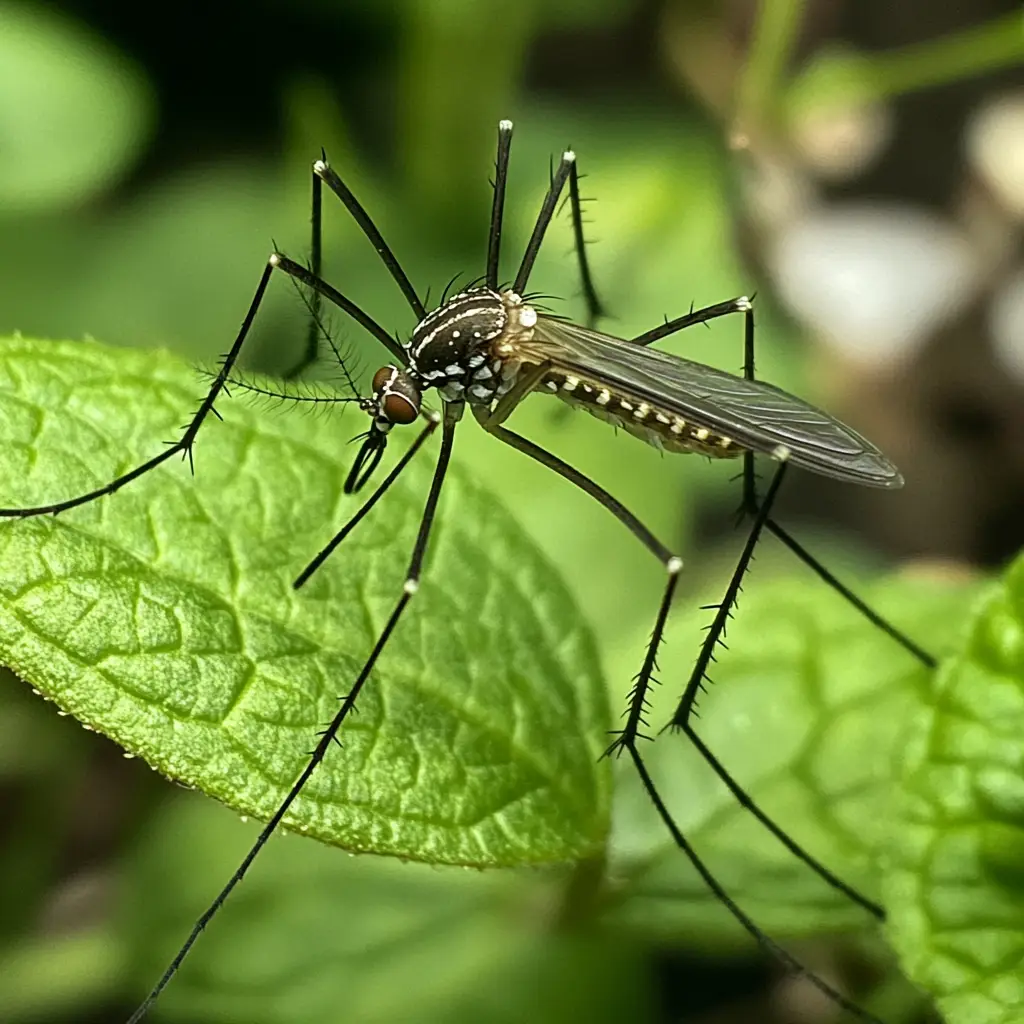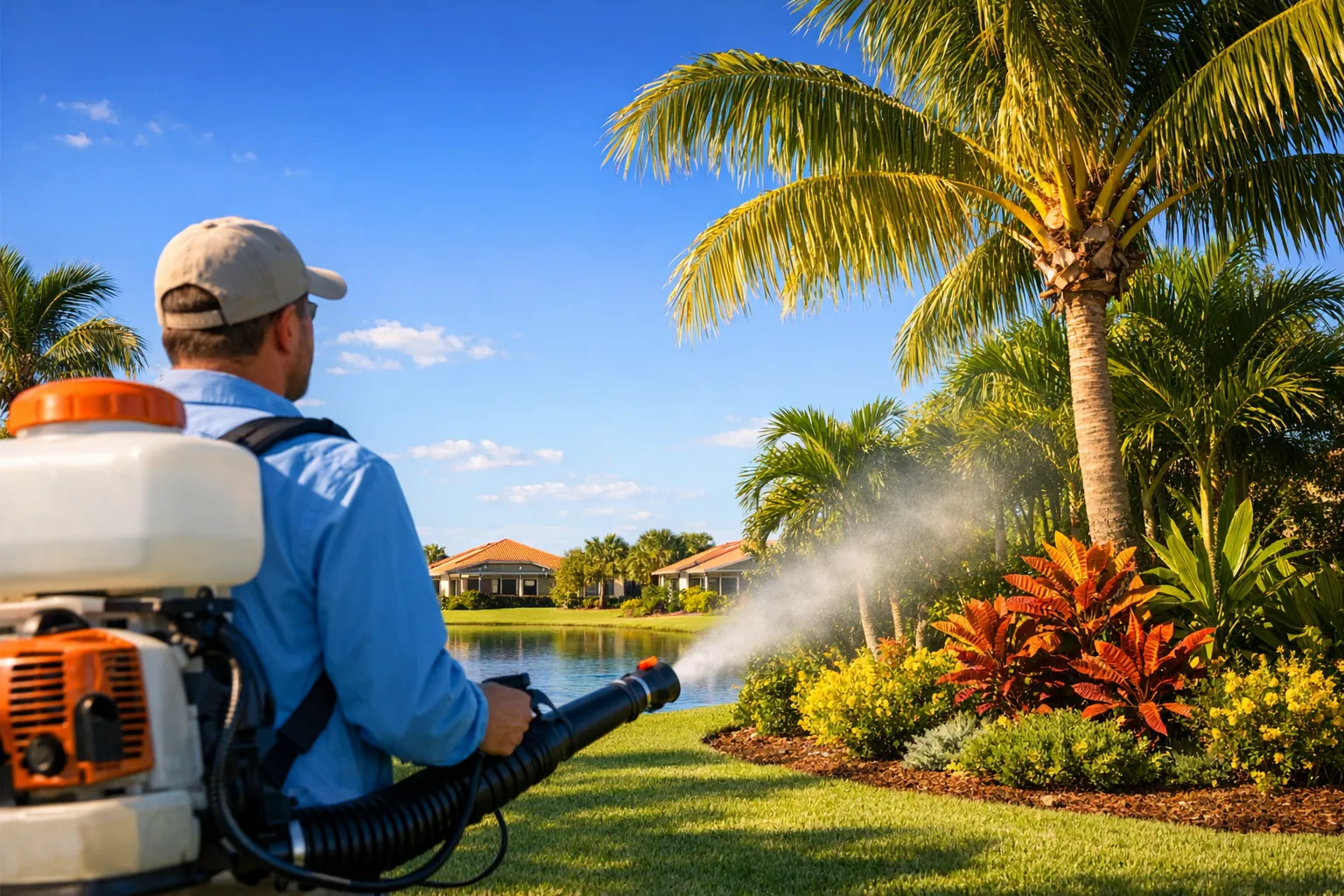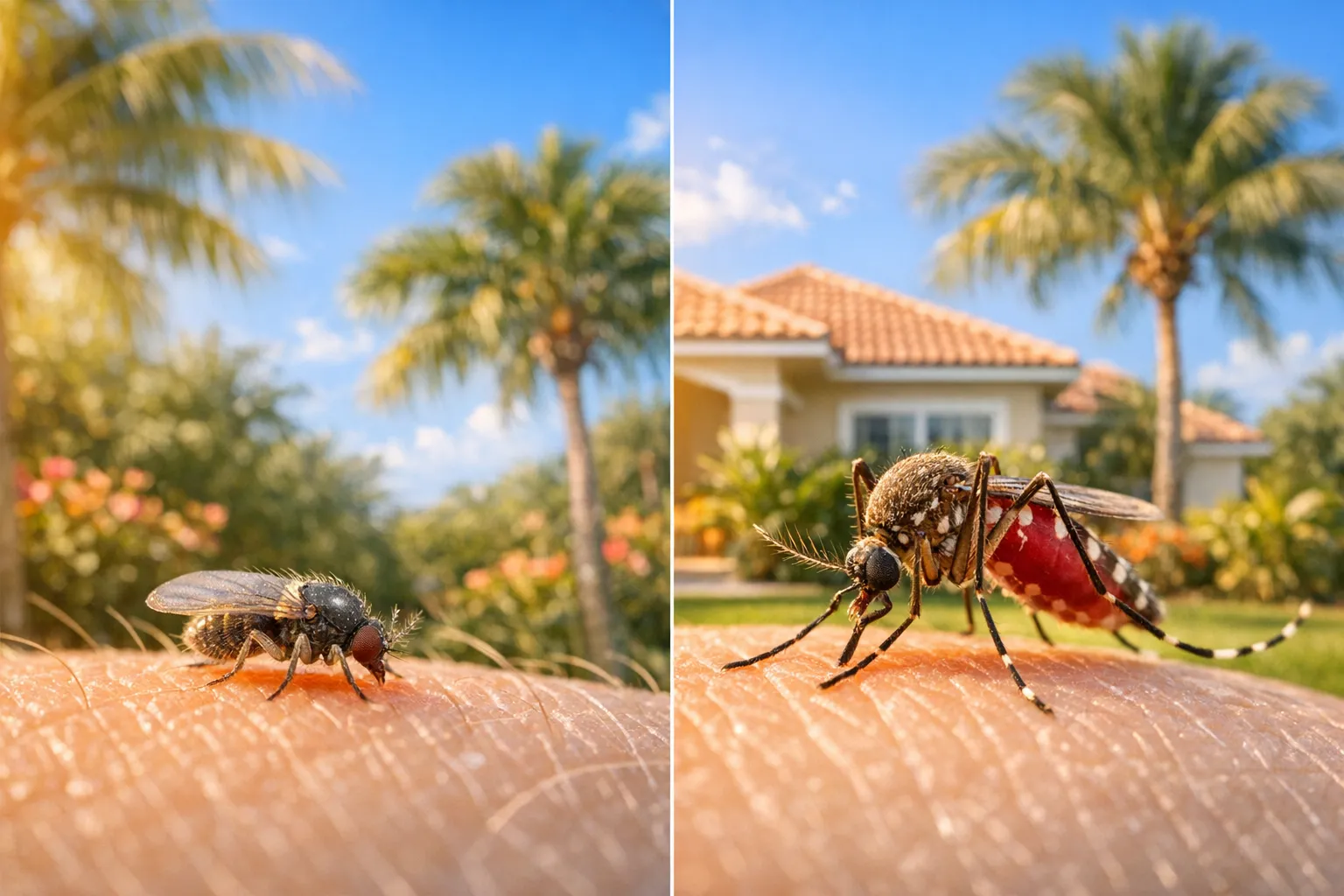
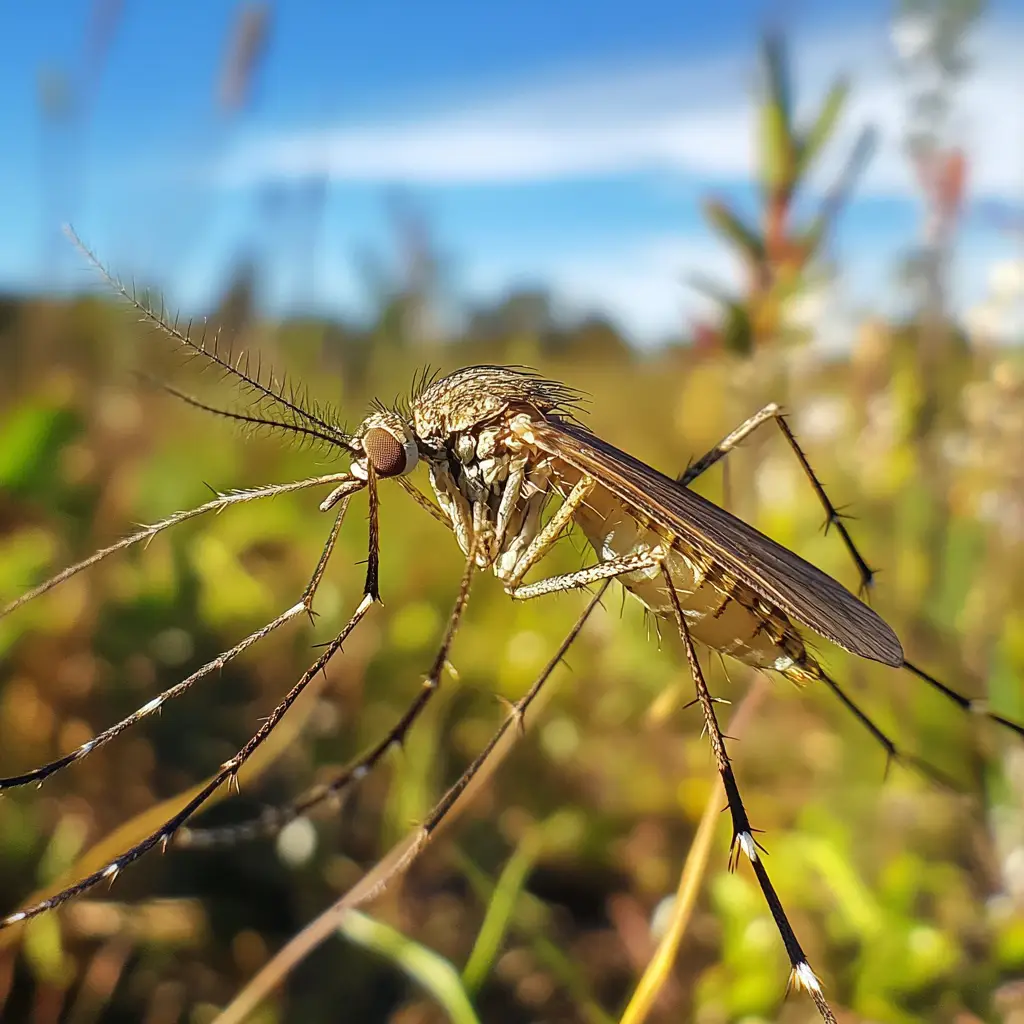
It’s a fair question, and it deserves a straight answer instead of a marketing one: a mosquito misting system sprays an insecticide labeled for misting systems around your property automatically, several times a day, with nobody standing there watching it happen. That’s genuinely different from a technician who’s present, trained, and watching where the spray lands. So the safety of the system comes down almost entirely to two things — what product it uses and how it’s installed and timed. Getting those right is how you keep people, pets, and the things you care about out of the mist — but it isn’t a blanket guarantee. EPA registers conventional misting insecticides for use under their labels (minimum-risk botanical products are exempt from federal registration, though they still carry label directions and many states regulate them); EPA does not regulate the misting equipment itself, and it notes these systems haven’t been studied enough to document their effectiveness. Get product, placement, and timing wrong and you have unattended pesticide equipment doing something nobody’s checking on.
Here’s what EPA and the American Mosquito Control Association (AMCA) actually say, where they disagree, and how the placement and timing rules address the real concerns.
What EPA says about mosquito misting systems
The EPA’s mosquito misting systems page is the baseline, and it’s worth reading in full if you’re installing one. The pesticide label is legally binding; the rest is EPA’s operating guidance:
- “The label is the law.” Only products specifically labeled for automatic misting system use may go in the reservoir, applied exactly at label rates — not a general-purpose pesticide, not a stronger mix than the label allows.
- Keep the reservoir and system locked. The insecticide reservoir should be secured so it isn’t accessible to children, pets, or anyone untrained.
- Nozzle height and aim. Nozzles should sit less than 10 feet off the ground and be aimed away from eating and cooking areas, pools, fish ponds and other water, and away from air conditioning or other air intakes.
- Nobody present. Don’t run a cycle when people, pets, or food are present, and set timers to spray during low-activity hours accordingly.
- Weather limits. Avoid spraying in wind over 10 mph, in rain or fog, or when temperatures are below 50°F — conditions that cause drift or reduce effectiveness.
- Sensors where practical. Wind, rain, and motion sensors that pause a scheduled cycle when conditions aren’t right are recommended.
- Non-target harm. EPA notes that pyrethrins and permethrin — the active ingredients in most misting system products — can kill beneficial insects like honeybees, ladybugs, and butterflies, and that permethrin is very highly toxic to fish.
- Be a good neighbor. Aim and drift matter beyond your own property line, too.
Treat these as the operating standard — they’re EPA’s own guidance for anyone installing or operating one of these systems, and every safety answer below traces back to one of these rules.
Kids and pets
The kid-and-pet question isn’t really about the chemistry, it’s about timing and location. A cycle running at dawn or dusk for 30 to 60 seconds, aimed at shaded resting sites along the perimeter rather than the lawn or patio where people actually stand, means there’s very little overlap between “spray happening” and “kids and pets in the yard.” We schedule cycles for the hours nobody’s typically out there, and every system we install can be paused from an app in seconds — before a birthday party, before the dog goes out, before anyone’s on the lawn for an extended stretch. If your family’s schedule doesn’t match the default dawn/dusk timing, the cycle should be adjusted to match, not the other way around.
Bees, butterflies, and other pollinators
This is the tradeoff worth being honest about. Per EPA, pyrethrins and permethrin can kill honeybees, ladybugs, and butterflies on contact — a misting system doesn’t distinguish a mosquito from a bee that happens to be in the mist at the moment it fires. The mitigations that actually matter:
- Dawn and dusk timing lands cycles outside peak pollinator foraging hours, when far fewer bees and butterflies are actively working flowers.
- Nozzles kept off flowering plants. A nozzle aimed at a resting site in a hedge is a different exposure than one aimed across a bed of blooming natives — placement is chosen to avoid the second scenario.
- Ask what’s in the product. “Botanical” products can still harm bees — pyrethrins are themselves plant-derived and EPA warns they can kill honeybees. If you keep a pollinator garden or manage hives, ask to see the specific product label and its pollinator precautions before choosing any formulation.
None of that makes the mist selective. It reduces the overlap between spray timing/location and pollinator activity, which is the honest scope of what placement and timing can do.
Fish, ponds, and canals
Per EPA, permethrin is very highly toxic to fish. If your property backs onto a canal, retention pond, or has a backyard water feature with fish, that’s a direct-line risk if a nozzle drifts or is aimed anywhere near the water. The fix is the same EPA rule as pools: nozzles aimed away from fish ponds and other water, full stop, with a wider buffer on properties where drift toward open water is a realistic outcome given wind exposure. For homes on a canal, pond, or with backyard koi, product choice matters too — check each product’s label for aquatic precautions (“botanical” alone doesn’t settle it), and on some of these properties the honest answer is no misting system at all.
Being a good neighbor about drift
Ten-mph wind limits and the 10-foot nozzle-height ceiling aren’t arbitrary — they’re both drift controls. A nozzle mounted higher than that, or firing in a stronger breeze, is more likely to carry mist past your property line onto a neighbor’s patio, garden, or pool. If your lot lines are close together, that’s worth discussing at the design visit — nozzle placement and cycle timing should account for who’s on the other side of the fence, not just your own yard.
What AMCA says — and how we answer it
The American Mosquito Control Association’s position on misting systems is more skeptical than EPA’s operating guidance, and it deserves a straight airing rather than a dismissal. AMCA discourages timer-based residential misting systems, citing several concerns: pesticide application without the kind of surveillance a mosquito control district uses to confirm there’s actually a mosquito population problem before spraying, limited independent efficacy data on how well these systems perform against a full mosquito life cycle, potential harm to non-target insects, the risk of contributing to pesticide resistance from frequent low-dose exposure, and human exposure risk from unattended, automatic pesticide application.
Those are legitimate concerns, and we’re not going to pretend a misting system is risk-free or that it makes disease prevention promises it can’t keep — because it can’t. A misting system reduces adult mosquitoes in the sprayed zone; it does not eliminate a mosquito population, it has no effect on larvae, and no responsible operator claims it prevents mosquito-borne disease.
Where our approach tries to answer AMCA’s specific concerns:
- Placement and timing rules, not “spray constantly” — nozzles aimed at resting sites, not blanket coverage of the yard.
- Dawn/dusk cycles only, sized to 30–60 seconds, not an all-day or high-frequency schedule that maximizes exposure and resistance pressure.
- Product choice made label-first. A minimum-risk botanical formulation is available for anyone who prefers not to use pyrethrins or permethrin — but “natural” is not a safety guarantee, so the choice is made against each product’s label and the property, not the marketing word.
- Source reduction as a companion, not a substitute — standing-water removal and larvicide for water you can’t drain address the surveillance and life-cycle gaps a misting system alone can’t close.
- Never a disease-prevention claim. We tell customers directly what the system does — knock down adult mosquitoes in the treated zone — and what it doesn’t do.
That’s an honest answer to AMCA’s position, not a rebuttal of it. If your priority is minimizing any automatic pesticide use around your home, a misting system may not be the right fit regardless of how carefully it’s operated, and barrier treatment or source reduction alone may suit you better.
What keeps a system operating safely over time
The rules above only work if the equipment is actually doing what it’s supposed to. A locked cabinet matters because EPA’s guidance is to keep the reservoir secured and inaccessible, and to use installers and service technicians who meet your state’s licensing requirements. Our own policy goes a step further: only our licensed technicians handle or refill the solution. Beyond that, the most common way a misting system drifts out of its safety design isn’t malice, it’s neglect: a nozzle that’s shifted after landscaping work now aims at a bed instead of past it, or scale buildup changes a nozzle’s spray pattern so it throws mist wider than intended. That’s why monthly checks and quarterly nozzle cleaning are part of a real service plan, not an upsell — a mis-aimed or degraded nozzle undermines every placement rule above without anyone noticing until a checkup catches it.
Frequently Asked Questions
Is it safe to be in the yard with a mosquito misting system installed?
Yes, when cycles are scheduled for times nobody’s typically outside and nozzles are aimed away from patios, pools, and dining areas per EPA guidance. If your plans change — a party, the kids playing later than usual — pause the system from the app rather than walking through an active cycle.
Are mosquito misting systems safe for dogs and cats?
The same placement and timing rules that protect people apply to pets: cycles run at dawn and dusk when animals typically aren’t out, nozzles are aimed away from where pets spend time, and the system can be paused any time. Products used are labeled for misting system use, per EPA’s “the label is the law” requirement.
Do mosquito misting systems kill bees?
They can. EPA notes pyrethrins and permethrin — common misting system active ingredients — are harmful to honeybees and other beneficial insects on contact. Dawn/dusk timing and keeping nozzles off flowering plants reduce the overlap with pollinator activity. Plant-derived products can still kill bees — pyrethrins are plant-derived — so if pollinators are a priority, check the specific product label’s pollinator precautions.
Are misting systems safe near a pool or fish pond?
EPA’s guidance is to aim nozzles away from pools, fish ponds, and other water, and permethrin specifically is very highly toxic to fish. That’s a placement rule, not a suggestion — any nozzle near water needs a wide, deliberate buffer.
Does the American Mosquito Control Association recommend misting systems?
No. AMCA’s published position discourages timer-based residential misting systems, citing concerns about pesticide use without surveillance, limited efficacy data, harm to non-target insects, resistance, and exposure risk. We think that position is worth taking seriously, which is why placement, timing, a botanical option, and never claiming disease prevention are all part of how we operate one.
Does a misting system prevent mosquito-borne disease?
No, and no responsible operator will tell you otherwise. It reduces adult mosquitoes in the sprayed zone. Reducing your risk further means pairing it with standing-water removal, larvicide where water can’t be drained, and personal repellent when you’re away from the treated property.
Plan Your System Around Safety
If safety is your main question before deciding on a system, that’s exactly what the free on-site design visit is for — we’ll look at your pool, water features, planting beds, and property lines and design nozzle placement around them, not just around mosquito pressure. See the full mosquito misting systems page for how installation and the maintenance plan work, or read mosquito misting system vs. barrier treatment if you’re still deciding whether you need the equipment at all.
Sources: U.S. Environmental Protection Agency, Mosquito Misting Systems; American Mosquito Control Association, Position on Misting Systems.