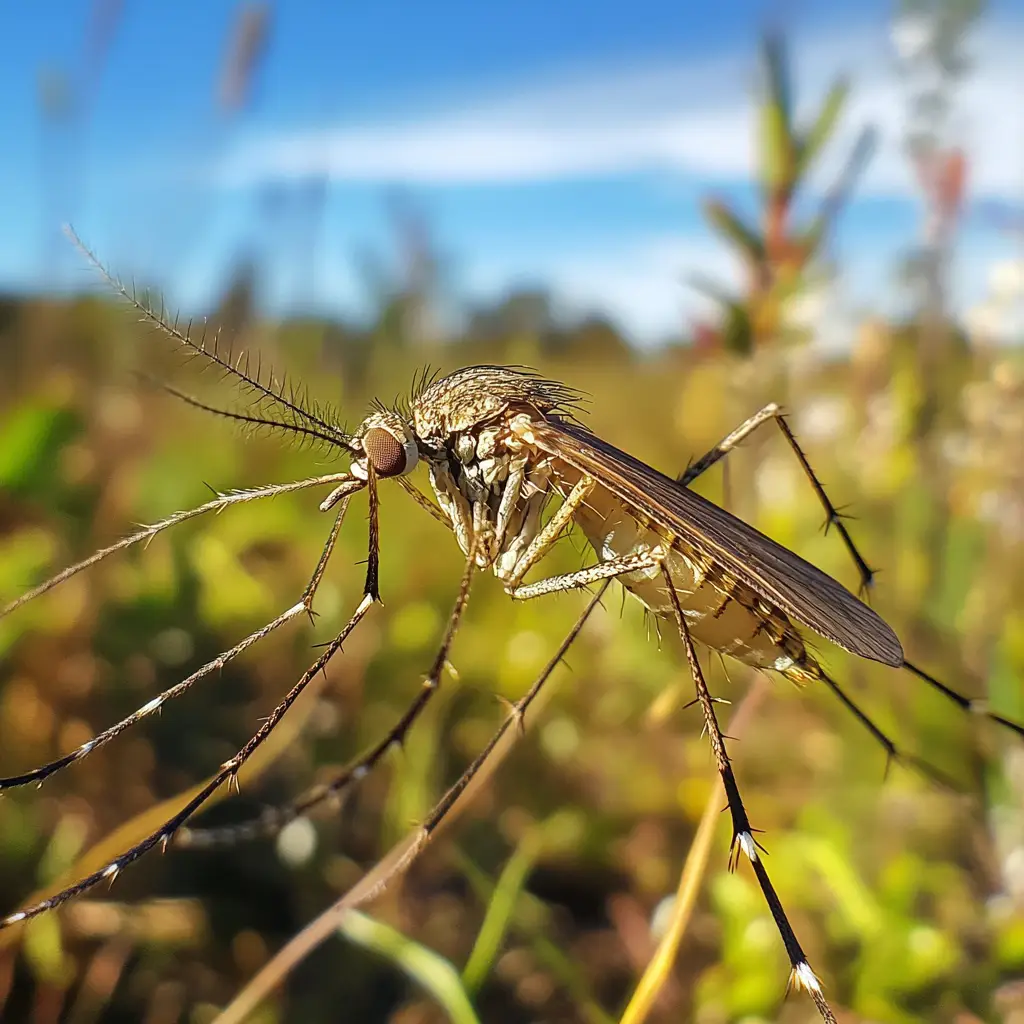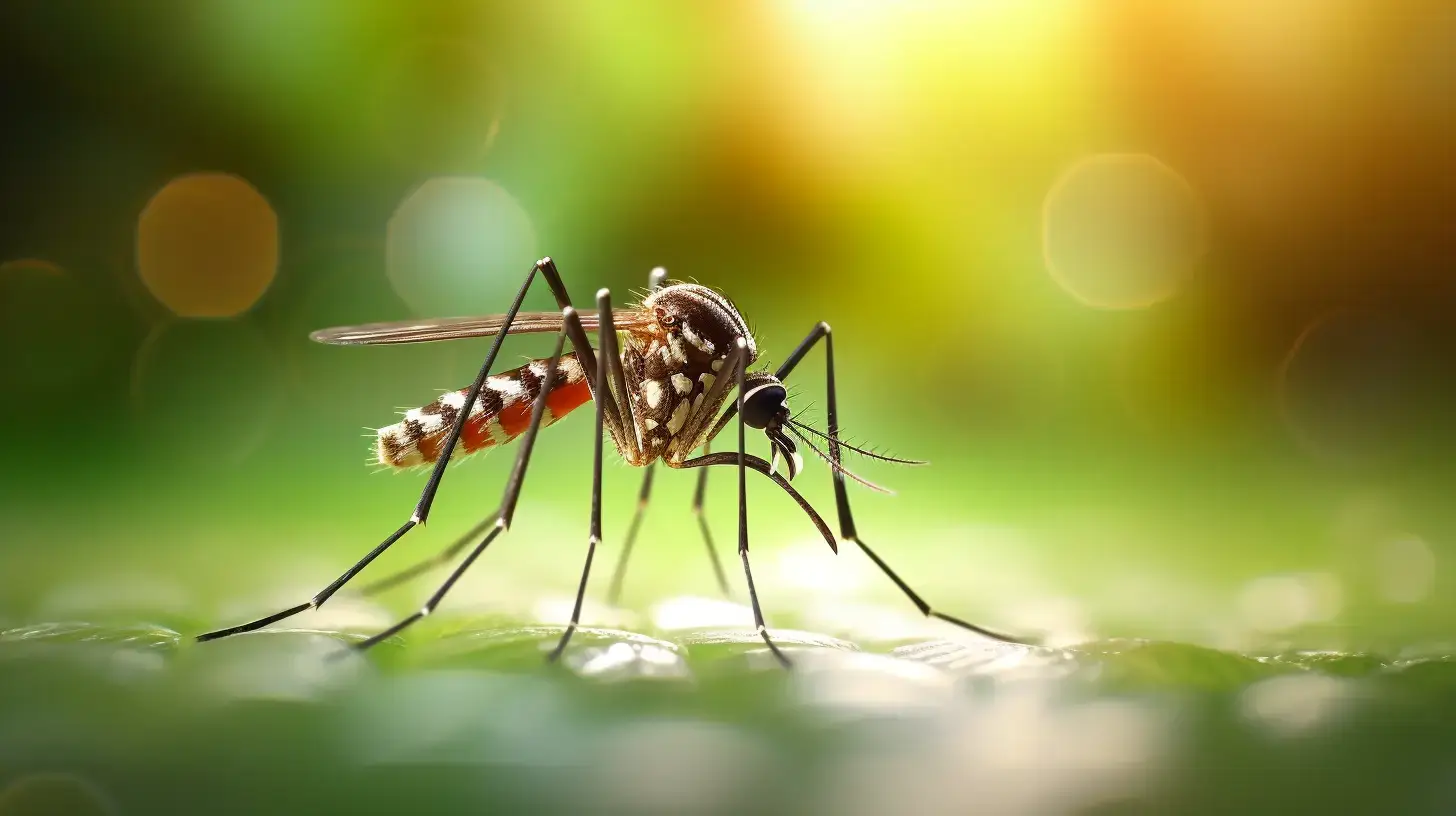
Mosquitoes dislike a short list of plant-based smells, and only a few of them come in a form that has been tested on skin. The CDC’s list of recommended repellent ingredients includes three that come from plants: oil of lemon eucalyptus (OLE), para-menthane-diol (PMD) and 2-undecanone. Citronella, cedar, geranium and peppermint oils show up in a lot of “natural” sprays, but the EPA says products made only from those ingredients have not been evaluated for effectiveness. In Southwest Florida, where afternoon storms refill every saucer and gutter from June through October, that difference matters. For the bigger picture on what a service visit covers, see our pest control services page.
What smells do mosquitoes dislike?
The smells with real evidence behind them are lemon eucalyptus (as OLE or PMD) and 2-undecanone, all sold as ingredients in registered repellents. The CDC’s mosquito bite prevention page lists six active ingredients to look for in an EPA-registered repellent:
- DEET
- Picaridin
- IR3535
- Oil of lemon eucalyptus (OLE), a plant-derived ingredient
- Para-menthane-diol (PMD)
- 2-undecanone, a plant-derived ingredient
DEET, picaridin and IR3535 don’t win any prizes for smell, but they sit on the same list. If a pleasant scent is what you are after, OLE, PMD and 2-undecanone are the plant-derived options on it.
The rest of the “mosquitoes hate this smell” list is a different category. The EPA’s page on skin-applied repellents explains that some ingredients, including citronella oil, cedar oil, geranium oil, peppermint oil and soybean oil, are exempt from registration because the EPA judged them minimal risk. The same page says products made from those ingredients have not been evaluated for effectiveness. The CDC puts it plainly: it does not know how well non-registered repellents work, including some natural ones.
Comparing a few options before the weekend? Get a mosquito control estimate and see what a yard visit would look like next to a can of spray.
Why mosquitoes find you anyway
Mosquitoes follow your breath and your skin, and a scent has to compete with both. UF/IFAS Extension in Leon County says mosquitoes can detect carbon dioxide from nearly half a football field away. They also pick up lactic acid, ammonia and uric acid in sweat, carboxylic acid on the skin, and body heat, and the same UF/IFAS article notes they are drawn to dark clothing colors like black and navy.
That is why a scent works close to your skin and not across the whole lanai. A candle on the table smells nice to you. A mosquito downwind is still following the carbon dioxide you breathe out.

Do candles, potted herbs and essential oils work?
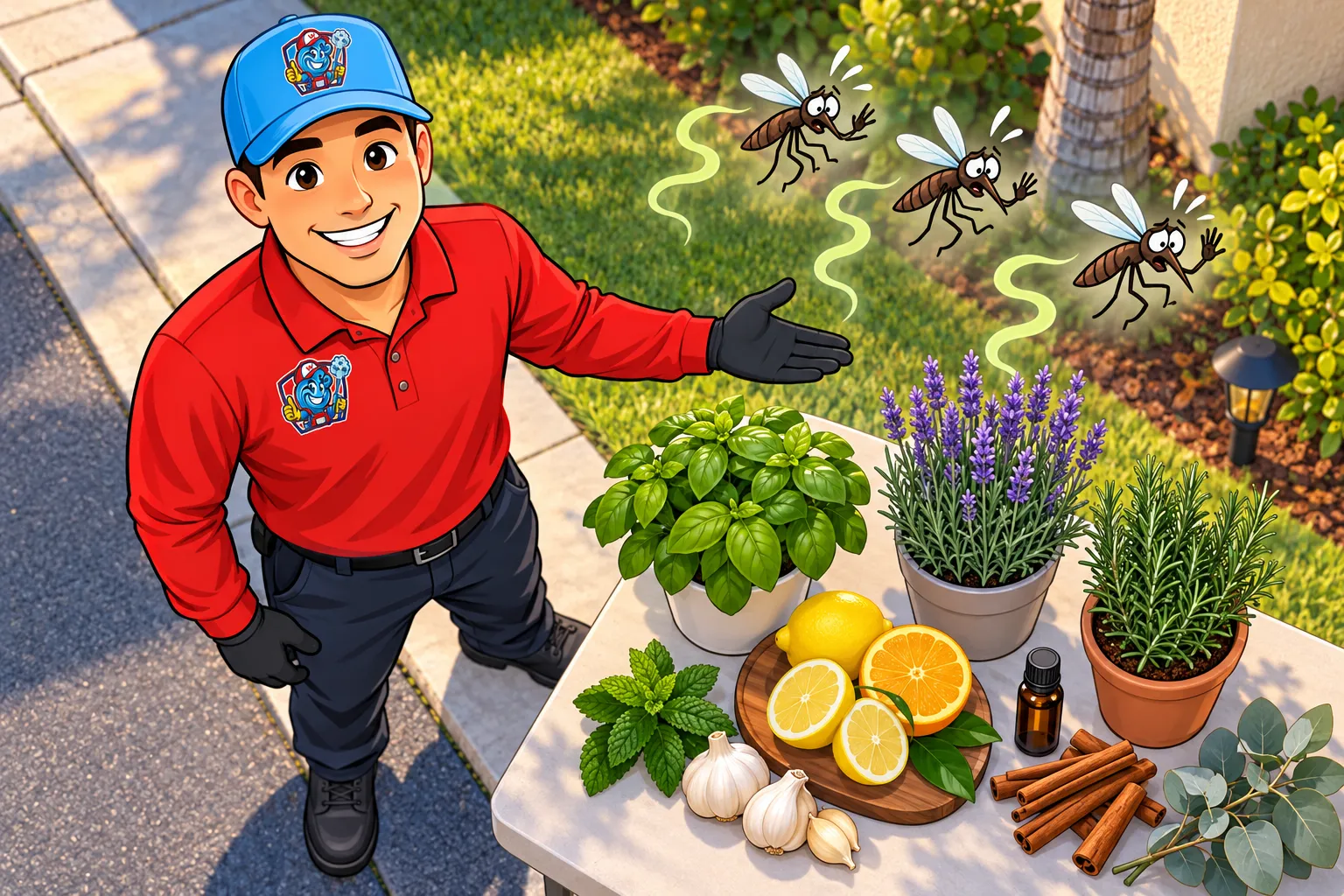
Mostly no, at least not the way people hope. UF/IFAS Extension in Duval County says citronella candles have not been shown effective in studies, and that growing lemongrass, rosemary or scented geraniums around a patio does nothing to repel mosquitoes. To get any benefit from a plant, you would have to crush the leaves and rub them on your skin.
A 2025 UF/IFAS news article makes the same point. Eucalyptus, citronella, mint, basil, lavender and marigolds have oils that can deter mosquitoes, but a UF/IFAS Extension agent in Monroe County says those compounds need to be extracted and used in concentrated forms, like sprays, to do much.
A few other popular fixes have even less going for them. The CDC Yellow Book calls vitamin B, garlic pills, sound-emitting devices and repellent wristbands ineffective. It also says the CDC does not recommend “pure” oil of lemon eucalyptus, the essential oil sold in little dropper bottles, because it has not had validated testing for safety and efficacy and is not registered with the EPA as a repellent. The registered OLE in a formulated repellent is a different product.
Pro tip: Put a strong box fan on the lanai or porch and aim it across where you sit. UF/IFAS Extension in Duval County points out that mosquitoes can’t fly well in strong wind, and the fan doesn’t care what anything smells like.
How to use a scented repellent that works
Pick a registered product, then use it the way the label says. Here is the order that works:
- Find the EPA registration number on the label. It is how to tell a tested repellent from an untested one. The EPA says that number means the company gave the agency technical information on the product’s safety and its effectiveness against mosquitoes, ticks or both. The EPA repellent search tool lets you filter by active ingredient and protection time.
- Choose the scent you can live with. OLE, PMD and 2-undecanone are the plant-derived ingredients on the CDC list. The CDC says not to use OLE or PMD products on children under 3.
- Read and follow the label. A repellent is a pesticide, and the label sets how much to use and where. Keep the bottle out of sight and reach of children and pets, and keep the spray off food and food-prep surfaces.
- Put sunscreen on first. The CDC says sunscreen goes on first and repellent second.
- Reapply as directed. The CDC says to reapply as the label directs, so check the label for how long it lasts.
The smell won’t fix the yard
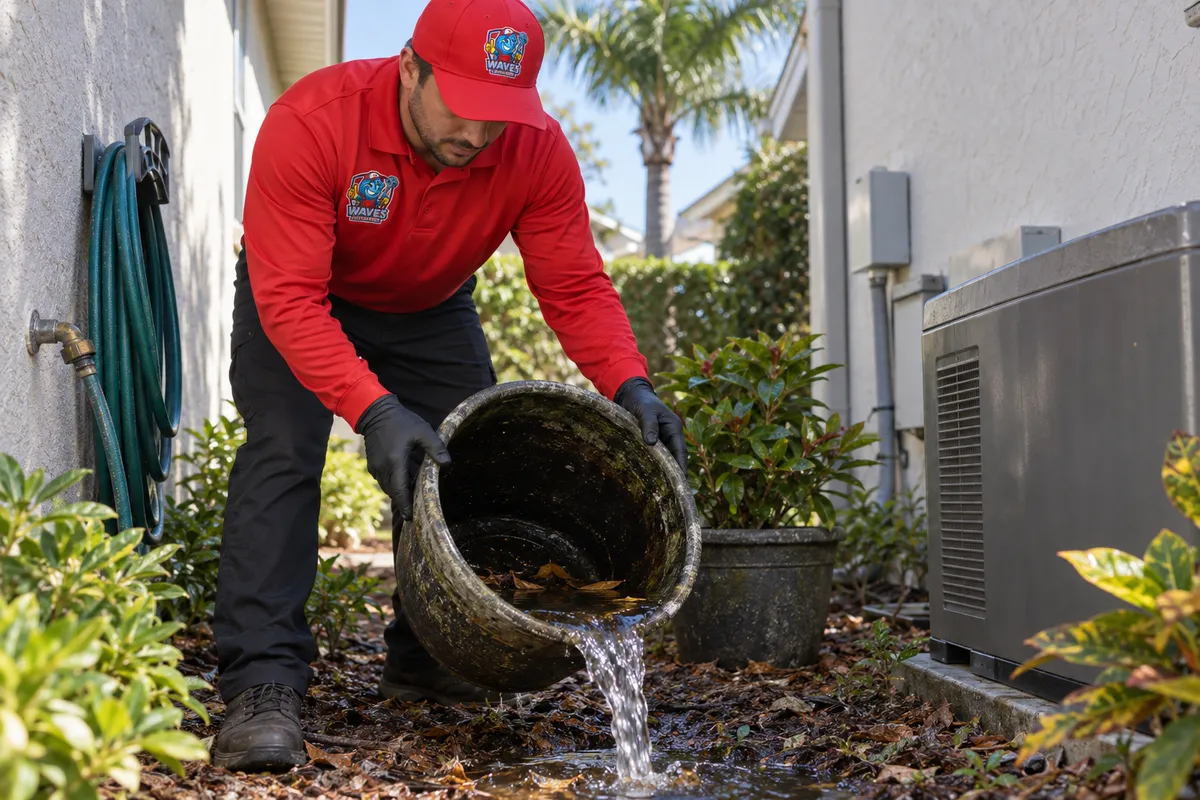
The yard is where the mosquitoes come from, so the water matters more than the scent. UF/IFAS recommends removing standing water, and putting mosquito-eating fish like Gambusia in ornamental ponds. After a summer storm in Sarasota or Venice, walk the yard and tip out anything holding water: buckets, toys, plant saucers, tarps and clogged gutters. Our standing water checklist for a Southwest Florida patio walks through the spots people miss, and our guide to screens and standing water covers keeping them outside the house. If the “mosquitoes” biting you near the water are tiny and hard to see, read up on no-see-ums vs. mosquitoes before you buy anything.
When to call a pro
Call a pro when you have dumped the water, you wear a registered repellent, and the yard is still unusable at dusk. Waves Pest Control services Sarasota for mosquitoes along with pest control, lawn care, termites and rodents. The mosquito control in Sarasota page explains what that service covers, and in South Sarasota County, start with mosquito control in Venice. For a number before anyone comes out, get a mosquito control estimate online.
Frequently Asked Questions
Can lavender repel mosquitoes?
Lavender has oils that can deter mosquitoes, per UF/IFAS, but the oil has to be extracted and concentrated to do much, so a potted lavender plant does little. A lavender spray with no EPA registration number has not been evaluated by the EPA for effectiveness.
Do dryer sheets keep mosquitoes away?
Dryer sheets are not EPA-registered repellents, and the CDC says the effectiveness of non-registered repellents is unknown. A registered product with OLE, PMD or 2-undecanone is the better bet if you want a plant-derived scent.
Do mosquitoes hate eucalyptus oil?
An EPA-registered repellent with oil of lemon eucalyptus (OLE) is on the CDC’s recommended list. The CDC does not recommend the “pure” essential oil, because it has not had validated testing and is not registered as a repellent.