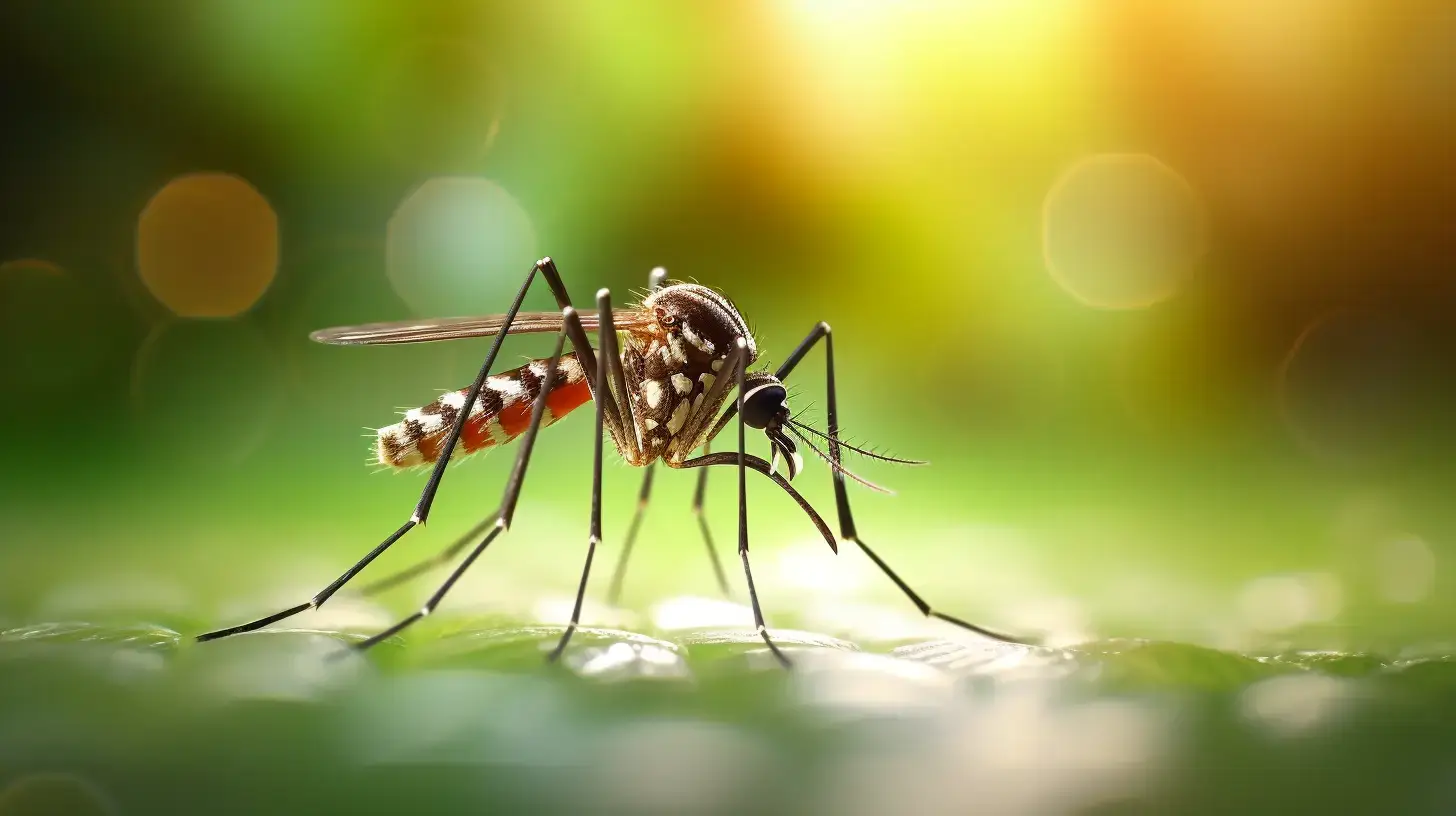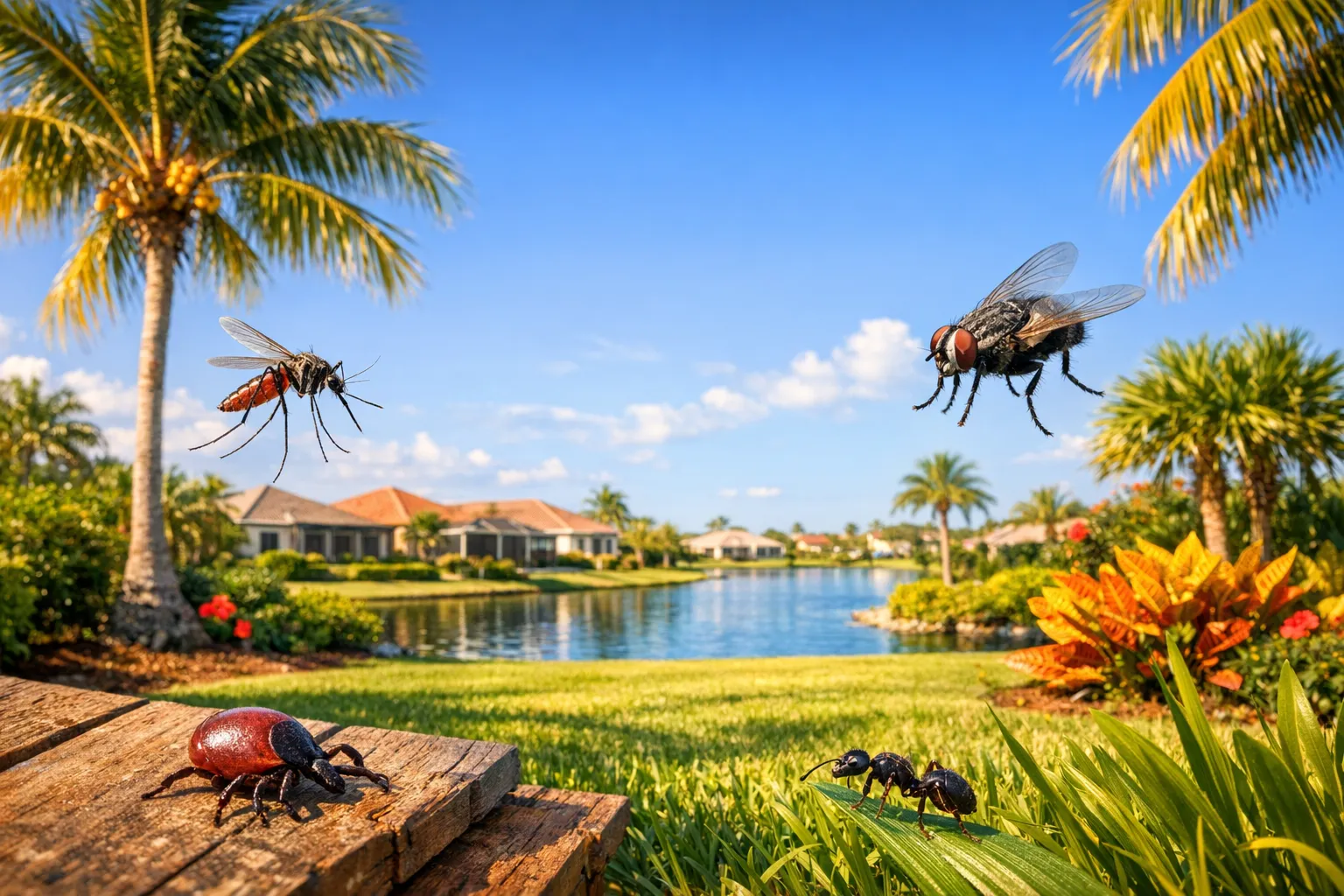
For most Lakewood Ranch yards, professional mosquito treatment is worth it, as long as you know what it can and can’t do. A good program knocks down the mosquitoes hiding in your landscaping and treats the water you can’t dump. It won’t make your yard mosquito-free, and it can’t stop mosquitoes that fly in from the lake or preserve behind your house.
Here’s how professional treatment works, where it falls short, and how to tell whether it’s worth the money for your home.
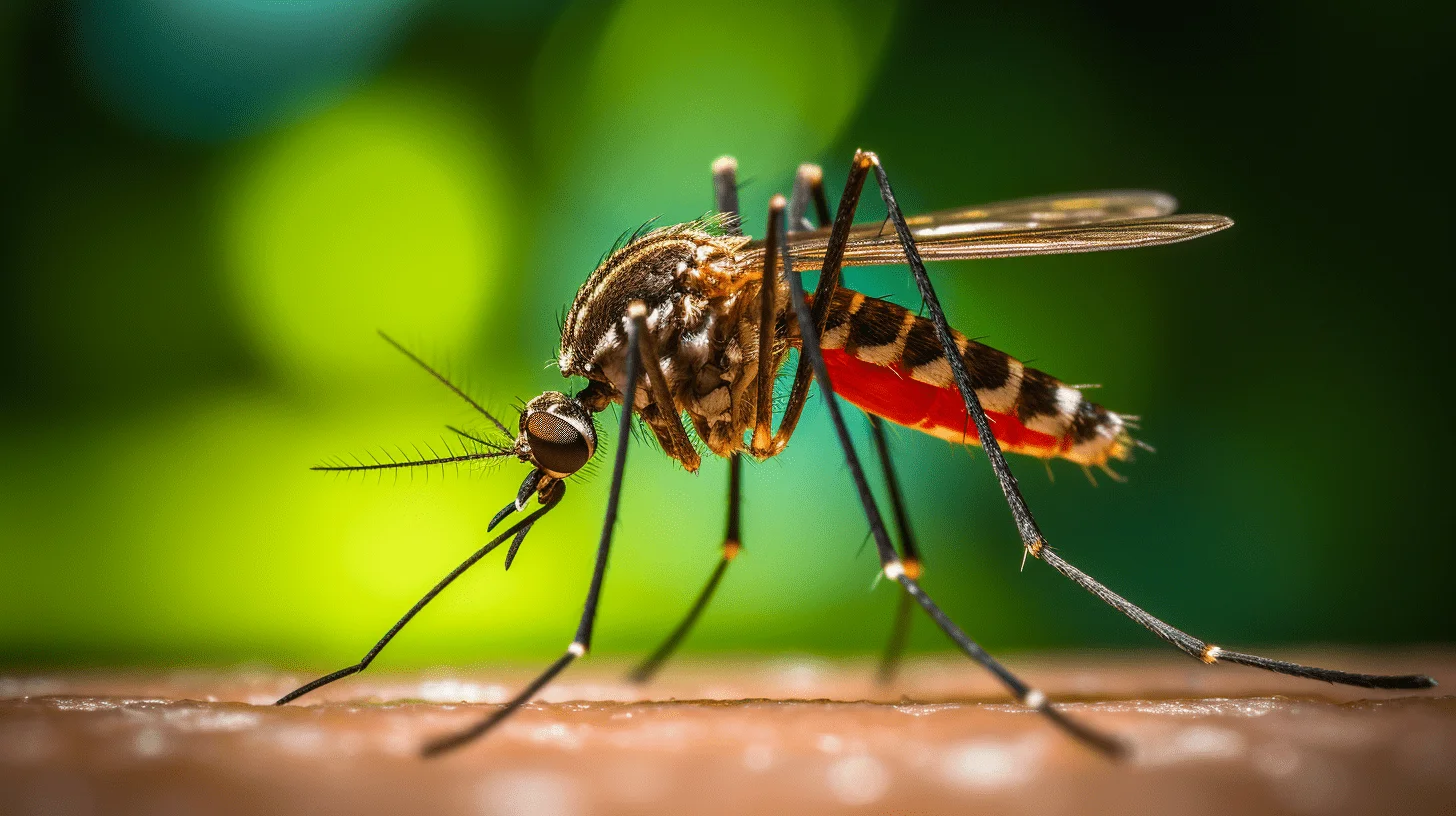
Why Lakewood Ranch has so many mosquitoes
Lakewood Ranch was built around water. Almost every village has stormwater retention lakes, and summer storms refill gutters, plant saucers, and low spots almost daily. Mosquitoes need only a little standing water to breed.
Two groups cause most of the trouble:
- Container breeders (Aedes mosquitoes, including the Asian tiger mosquito). These are the aggressive daytime biters on your lanai. They lay eggs on the inside walls of containers, just above the waterline, and the eggs can survive drying out for up to eight months (CDC). The next rain hatches them.
- Pond and ditch breeders (Culex mosquitoes). These bite mostly around dusk and at night. One female lays a floating raft of 100 to 300 eggs on still water: pond edges, storm drains, birdbaths, buckets (CDC).
Both can go from egg to biting adult in 7 to 10 days in warm weather. That’s how a yard goes from fine to miserable after a week of afternoon storms.
It’s not just the itch. Florida records locally acquired cases of mosquito-borne illness, such as dengue and West Nile virus, in most years. The Florida Department of Health tracks them in weekly reports.
What a professional treatment actually does
A good mosquito visit is more than a spray. It has four parts.
1. Find and remove breeding water
The tech walks the property looking for water: clogged gutters, bromeliads, tarps, toys, plant saucers, pet bowls, and low spots that stay wet. Dumping that water does more than any product can. It’s also the part you can keep up between visits.
2. Treat water you can’t dump
For water that has to stay, like a birdbath, a decorative pond, or a drain, a pro uses a larvicide:
- Bti is a soil bacterium. Its toxins target the larvae of mosquitoes, black flies, and fungus gnats, and EPA notes they don’t affect other insects, including honey bees (EPA).
- Methoprene is an insect growth regulator. It keeps larvae from developing into biting adults (NPIC).
3. Treat where adult mosquitoes rest
Adult mosquitoes spend the day in shade: under leaves, in dense shrubs, under decks and lanai edges. A barrier treatment coats those resting spots with a residual insecticide, usually a pyrethroid such as bifenthrin or lambda-cyhalothrin. Many pros add a growth regulator like pyriproxyfen to cut down the next generation.
Barrier sprays work, with limits. In a study of suburban yards, pyrethroid barrier treatments cut Asian tiger mosquito bites by about 85 to 90 percent four weeks after spraying. They did not reduce Culex mosquitoes (Journal of Medical Entomology, 2007). That study was in Kentucky, but the lesson holds here: barrier sprays are strongest against the daytime yard biters.
4. Repeat on a schedule
New leaves grow in untreated, and daily storms wear the treatment down. That’s why mosquito control is a recurring service, not a one-time fix.
What professional treatment can’t do
Set your expectations before you pay for anything.
- It won’t make your yard mosquito-free. Mosquitoes fly in from neighbors, preserves, and lakes.
- It doesn’t treat the lake behind your house. Retention lakes belong to your community, and public mosquito control is your county’s job.
- It won’t fix non-biting midges. The clouds of small flies around lakefront homes at dusk are usually aquatic midges. They don’t bite, and routine spraying doesn’t control them. Our midge guide explains what does help.
- It does less for no-see-ums. These tiny biting midges breed in wet soil and mangrove edges, and they slip through standard window screen.
How treatments stay on target
Mosquito products are pesticides, and the label is the law. Here’s what that means at your house:
- Keep people and pets off treated plants and surfaces until they dry.
- Pyrethroids are highly toxic to fish and very highly toxic to bees (NPIC). A careful applicator skips blooming plants and keeps spray out of ponds, pools, and storm drains.
- “Natural” doesn’t mean gentle. Many plant-oil mosquito products are “minimum risk” pesticides, which are exempt from federal registration, so they skip EPA’s product-by-product review (EPA). Concentrated essential oils can also poison pets (ASPCA), and cats are especially at risk (Pet Poison Helpline).
If you have a fishpond, beehives, or a pet with health problems, tell your tech before the first visit.
What you can do between visits
Your effort matters as much as the spray.
- Dump or flush water every three to four days in summer. UF/IFAS recommends this for birdbaths and bromeliads (UF/IFAS).
- Clean gutters, and pull tarps tight so they don’t hold puddles.
- Drop a Bti dunk in water you can’t drain, following the label.
- Wear an EPA-registered repellent with DEET, picaridin, oil of lemon eucalyptus (PMD), IR3535, or 2-undecanone.
- Skip the gimmicks. UF/IFAS lists bug zappers, ultrasonic devices and phone apps, “mosquito plants,” and repellent bracelets among the things that don’t reduce mosquitoes.
For a neighborhood-wide problem, call your county. The Manatee County Mosquito Control District takes service requests online or at 941-981-3895 (MCMCD). On the Sarasota County side of Lakewood Ranch, call Sarasota County Mosquito Management Services at 311 or 941-861-5000 (Sarasota County).
Is it worth it for your home?
It’s usually worth it if:
- Your yard backs onto a retention lake, preserve, or wetland.
- You have dense shrubs, bromeliads, or a shady, lush landscape.
- You spend a lot of time on the lanai or in the yard, or you have an event coming up.
It may not be worth it if:
- You live in a condo or a home with little landscaping.
- Your lot is open, sunny, and breezy.
- You’ll dump standing water twice a week and wear repellent outdoors.
Want something more hands-off? An automatic misting system is another route. We compare the two in misting system vs. barrier treatment, and Waves installs mosquito misting systems as well.
Our recurring mosquito control in Lakewood Ranch is month-to-month. If mosquitoes rebound between scheduled visits, the Waves guarantee covers a free re-treat.
See mosquito plans for Lakewood Ranch
Frequently Asked Questions
How long does a mosquito treatment last?
It fades over a few weeks. In the study above, barrier sprays still cut bites sharply four weeks after treatment, and the effect wore down as new leaves grew in untreated. With daily summer storms and fast growth, most Florida programs re-treat about once a month in the warm season.
Is professional mosquito treatment safe for my family and pets?
No honest company calls a pesticide “safe.” Professional treatments use EPA-registered products applied according to their labels. Keep kids and pets off treated plants and surfaces until they dry. Tell your tech about fishponds, beehives, or pets with health problems so the plan can work around them.
How fast will I notice fewer mosquitoes?
Adults resting in treated plants are hit within a day or two. Larvicides take longer to show because they work on the next generation. Since mosquitoes go from egg to adult in 7 to 10 days, give it a week or two.
Will rain wash the treatment away?
Heavy rain before a treatment dries can weaken it, so techs avoid spraying right before a storm. Once it dries, it holds up better. Daily summer storms are still one reason treatments repeat on a schedule.
Does mosquito spray hurt bees and butterflies?
It can. The pyrethroids used in barrier sprays are very highly toxic to bees. That’s why careful applicators skip blooming plants and aim for shaded resting spots under leaves. If you garden for pollinators, ask your tech to leave those beds out.
Can I treat my own yard?
You can do the parts that matter most: dump water, use Bti dunks in water you can’t drain, and wear repellent. Retail yard sprays exist, and their labels still apply. Full coverage of shaded resting spots is where do-it-yourself spraying usually falls short.
Is professional mosquito treatment worth it in Lakewood Ranch?
For most homes near water or with heavy landscaping, yes. You won’t get zero mosquitoes, but you should get a yard you can use again. If your lot is open and breezy and you keep up with dumping water, you may not need it.