
Jump to a section (10)
- 01Which openings are supposed to be there
- 02When copper mesh in a weep hole or a vent backfires
- 03Picking a material without buying the hype
- 04How to choose the right material
- 05Where copper mesh earns its spot
- 06Inspect from the ground, then know your limits
- 07Before you close anything, make sure nothing is home
- 08How Waves handles entry points
- 09Frequently Asked Questions
- 10The bottom line
You typed “copper mesh for weep holes” into a search bar, and somewhere a brick wall is quietly judging that plan. Weep holes are one of the few openings on a house that have to keep draining. Before you pack anything into a gap around your Sarasota home, it pays to know which openings were built in on purpose and which ones are just wear or sloppy construction. This post is about telling the two apart. Waves pest control services handle the treatment, and the part you can do yourself is finding the entry points and choosing an exclusion approach that cooperates with how your house is built.
If you’d rather have someone map those entry points with you, you can request a pest control quote and start there.
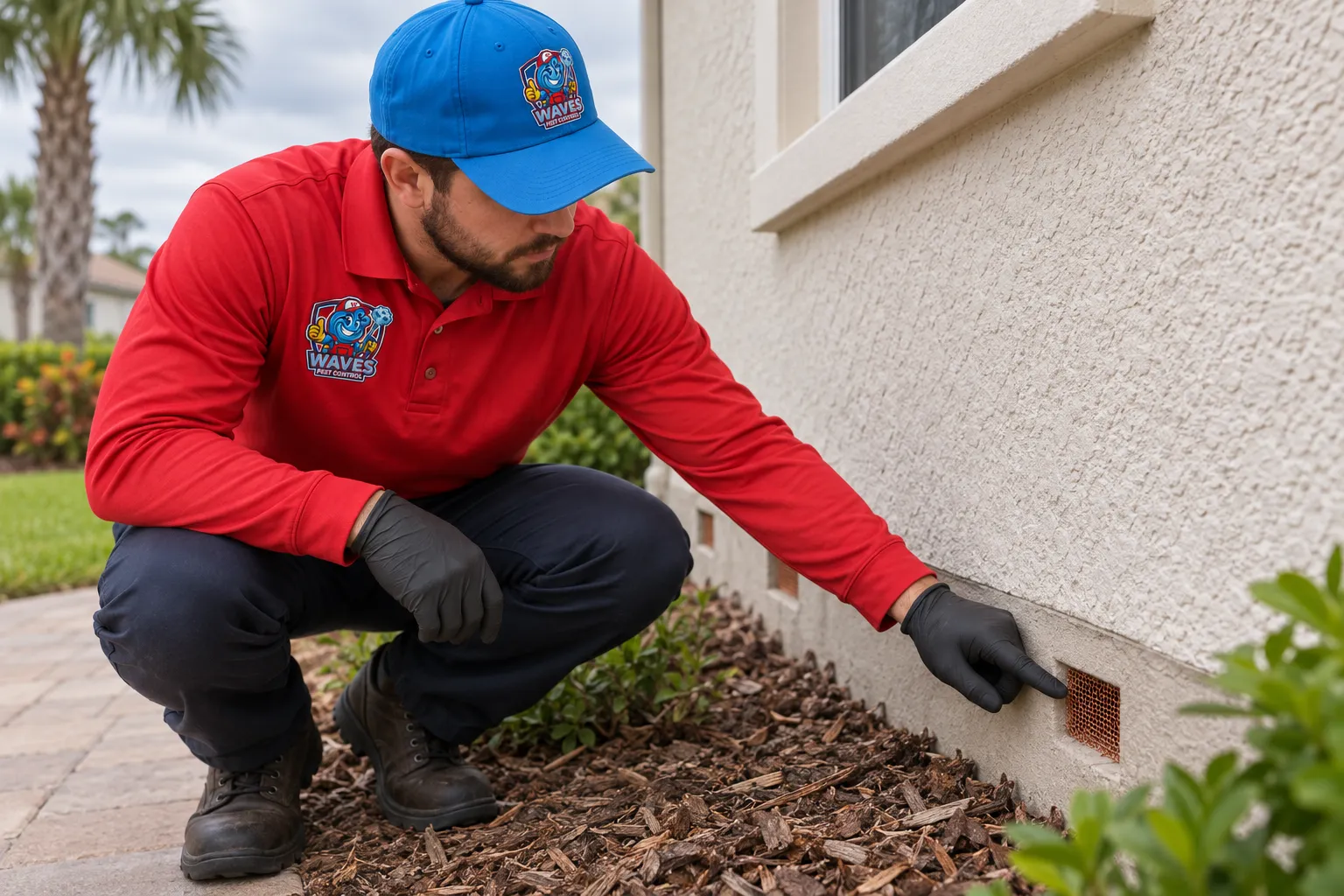
Which openings are supposed to be there
Houses are full of holes that belong. Brick veneer has weep holes near the bottom so the cavity behind the brick can drain and breathe. Soffit and foundation vents are there for airflow. None of that is a defect.
Then the accidents. A plumber oversizes the hole around a pipe, or a crack opens up in the stucco, and now there’s a real gap. Those are the openings exclusion materials are meant for.
Down here the soil is sandy and the afternoon storms roll through most summer days, which keeps moisture and the pests that chase it in steady supply. A lot of these openings also sit right at ground level, hidden behind St. Augustine grass that has grown thick against the slab. Pull the runners back and gaps turn up that you never noticed. When you can’t tell whether an opening is a drainage weep hole or just an incidental gap, settle that before you seal anything. Guess wrong and you either trap moisture in a wall or burn an afternoon for nothing.
When copper mesh in a weep hole or a vent backfires
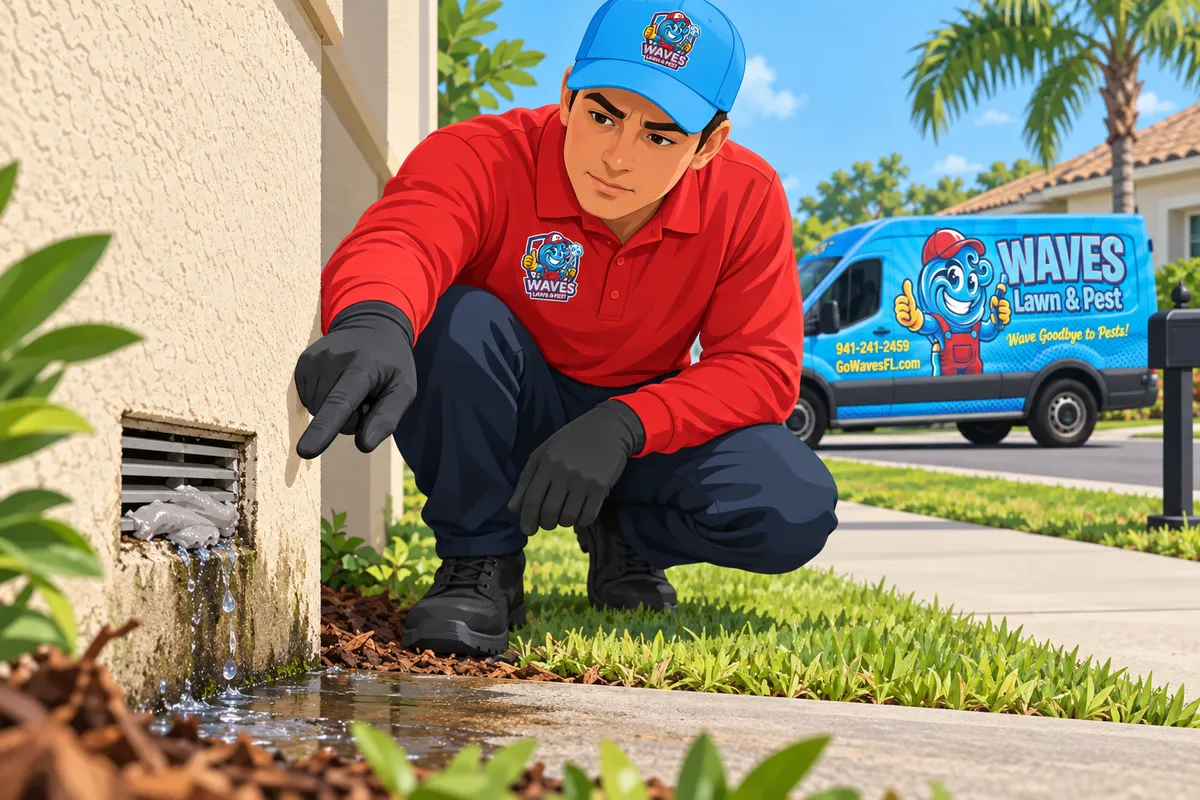
Here’s the part the product pages skip. These openings have a job. Block a weep hole and the wall loses its drainage path, and in our humidity that water has nowhere good to go.
That doesn’t mean a weep hole has to stay wide open to pests. Cornell’s New York State IPM program says weep holes must remain open for water to drain even as they exclude pests, and it points to screens designed for weep holes and to fill fabric cut to size. Texas A&M AgriLife Extension recommends copper mesh for weep holes in brick or stone walls. The line to hold is between a loose, permeable fit that still lets water and air through and a tight plug that doesn’t. If you can’t tell which one you’d be making, use a cover made for weep holes or ask a pro.
Cornell University’s IPM program lists caulk, sealant, copper gauze, and foam as materials for sealing cracks and other small openings. For vents it gives different advice, which is to replace a damaged or vulnerable vent with a design that resists animal entry rather than cramming something into the one that’s already there.
Utility penetrations are their own category. Sealing around a gas line or an electrical service is work for someone licensed, and improvising there is how a weekend project becomes a hazard. Hand those to a pro.
This is also why verifying the assembly comes first. The Cornell guidance that names copper gauze is describing cracks and small structural openings, not the drainage and ventilation openings a builder put in on purpose. So confirm what you’re looking at on your own wall before you treat any opening as fair game.
Picking a material without buying the hype
An honest materials comparison stays inside what the guidance supports and skips the sales copy. Cornell University’s IPM program covers a short list of materials and where each one fits. Here’s that, with the rust-proof and rodent-proof promises left out, because the cited guidance doesn’t back them.
| Material | What the cited guidance supports | Where it does not belong |
|---|---|---|
| Copper exclusion gauze | Cornell IPM lists copper gauze among materials for sealing cracks and other small openings | Packed tight into a weep hole or a vent. Gas and electrical penetrations are a job for a licensed pro |
| Caulk or sealant | Cornell IPM lists caulk and sealant, with sealant suited to movable joints, for cracks and small openings | Wide voids, and any opening meant to stay open |
| Foam insulation | Cornell IPM lists foam insulation for sealing cracks and small openings | Openings that need to drain or breathe |
| Hardware cloth (galvanized metal mesh) | Cornell IPM says it comes in quarter-inch and half-inch mesh, with quarter-inch the better fit for smaller animals such as mice and bats | Tiny cracks where it is overkill. Over a vent it has to be fitted as a screen that keeps airflow open, never packed in |
| Galvanized sheet metal | Cornell IPM calls it durable and, when attached with screws, resistant to removal by animals | Curved or detailed areas where it is hard to fit |
Material notes summarize general exclusion-material guidance from Cornell IPM's pest exclusion page, not performance guarantees.
How to choose the right material
Match the opening in front of you to what the Cornell guidance supports:
- A hairline crack too fine to pack: caulk or sealant handles it.
- An oversized gap around a pipe penetration with a draft coming through: copper exclusion gauze or hardware cloth fills a void like that, and caulk or foam over it finishes the seal.
- A damaged or flimsy vent louver: replace the whole vent with a sturdier screened design instead of packing the one you have.
- A wide structural void or rotted woodwork: that calls for a proper repair, with metal over it where it helps.
On the copper mesh versus steel wool question, since that’s the one everybody asks: the Cornell guidance names copper gauze for cracks and small openings and doesn’t weigh in on steel wool at all. I won’t hand you a corrosion verdict the source never made. If you’d rather have a pro price the work for your place, you can get a pest control estimate faster than guessing.
Where copper mesh earns its spot
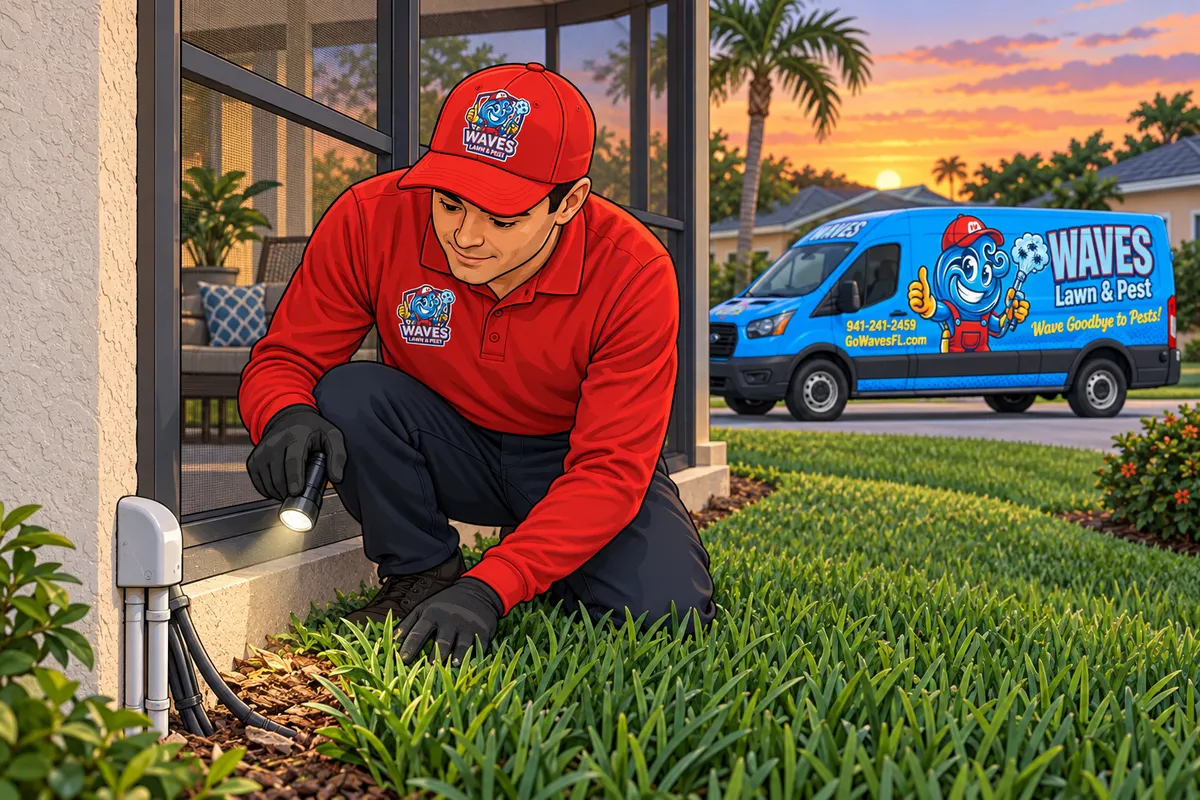
So where does the mesh belong? A genuine incidental gap. Picture an oversized opening where a pipe runs through the wall with a draft around it, or a crack that has grown too wide for caulk to bridge cleanly. For a void like that, packing in a material makes sense, and copper exclusion gauze is one of the options the Cornell guidance lists for small openings. The mesh is the infill, not the finished repair. The U.S. Department of Energy’s air-sealing guidance for pipe penetrations calls for caulk or spray foam on gaps, with rigid blocking sealed in place over larger ones. So seal over the mesh, or hand a large gap to a pro. If you want some on hand, a roll of copper exclusion meshAffiliate link packs into a gap by hand; view current price before you buy, since that moves around.
Two things before you start. Make sure the opening is an incidental gap and not a weep hole or vent wearing a disguise. Wear gloves and eye protection when you cut and pack the mesh, because cut wire ends are sharp. And if the gap is bigger than a handful of mesh can honestly fill, then it needs a proper repair before any mesh goes near it. Keep whatever you tuck into an opening out of reach of kids and pets while you’re at it.
Pro tip: Snap a phone photo of every gap before you touch it. If you end up calling a pro, those pictures save a walk-around, and months later they tell you whether a patch held.
Inspect from the ground, then know your limits
You can cover a lot from your own two feet. Walk the perimeter and look low, especially where pipes and wires come through, and peek behind that thick St. Augustine while you’re down there. What you shouldn’t do is start climbing. Roof lines and sealed utility penetrations are where a DIY afternoon turns into an ER trip or a safety problem.
UF/IFAS Extension makes the case for a pro plainly. Its homeowner’s guide to selecting a pest control service treats pest control as part of routine home maintenance in a state like Florida that runs under heavy pest pressure. It also says a company should send someone to inspect the property and home, and it calls monitoring for pests crucial. If you’re not sure what’s getting in, the pest library is a reasonable place to start on ID, and a recurring plan like WaveGuard folds that monitoring into scheduled visits.
Before you close anything, make sure nothing is home
One more step, and it matters more than people expect. If an opening has had traffic, sealing it can wall an animal inside, and a dead animal in your wall is a worse afternoon than the gap ever was. So note what you’re seeing first, like droppings or grease marks along a run, or scratching after dark. If any of it points to something living in there, get an inspection before you close the opening.
Still trying to name what left the signs? A couple of our guides help. Basement centipedes in Southwest Florida covers the damp-loving crawlers that slip in low, and can rats carry rabies tackles the question people panic-search the second they hear scratching overhead.
How Waves handles entry points
When rodents are the concern, a Waves rodent inspection starts by naming the species and finding the entry points. That means a full exterior walk of the roofline, soffits, vents, AC line penetrations and door sweeps, plus the attic. The findings are photo-documented, and they drive the exclusion plan. The sealing itself uses materials such as hardware cloth, sealant, vent covers and door sweeps. Trapping or baiting without sealing the building leaves the openings for the next rodent, so sealing is the core of the plan. When rodents are already inside, the sealing is coordinated with trapping so that nothing gets closed in. Our rodent control page has the details.
Frequently Asked Questions
Should I put copper mesh in weep holes?
Not packed tight. A weep hole is a drainage opening, and a plug can block the path water uses to leave the wall. Cornell’s New York State IPM program says weep holes must stay open to drain while they exclude pests, and Texas A&M AgriLife Extension recommends copper mesh for brick or stone weep holes, so the goal is a loose, permeable fit or a cover made for weep holes.
Is copper mesh better than steel wool for pest exclusion?
The Cornell IPM guidance cited here names copper gauze for sealing cracks and small openings and does not address steel wool. This post does not rank one over the other.
Which gaps can a homeowner seal?
Cracks and small incidental gaps you can reach from the ground, such as an oversized hole around a pipe. Never plug a weep hole or a vent, and leave roof-line openings and anything next to a gas or electrical line to a licensed professional.
What should I check before sealing a gap?
Check whether the opening is a weep hole or vent, which has to keep draining or breathing, and check that nothing is living in it. Droppings, grease marks or scratching after dark mean you should get an inspection first.
The bottom line
Sealing the right gaps the right way can cut down how often pests find their way in, especially once you pair it with treatment and keep an eye on things over the seasons. It won’t turn your house into a sealed box, and anybody promising that is selling something. Keep your own inspection low and be honest about which openings are meant to stay open, and bring in help for anything over your head or next to a gas or electrical line. When you want that help around your home, our Sarasota pest control help page is the place to start, or you can request a pest control quote and we’ll take the walk-around from there.