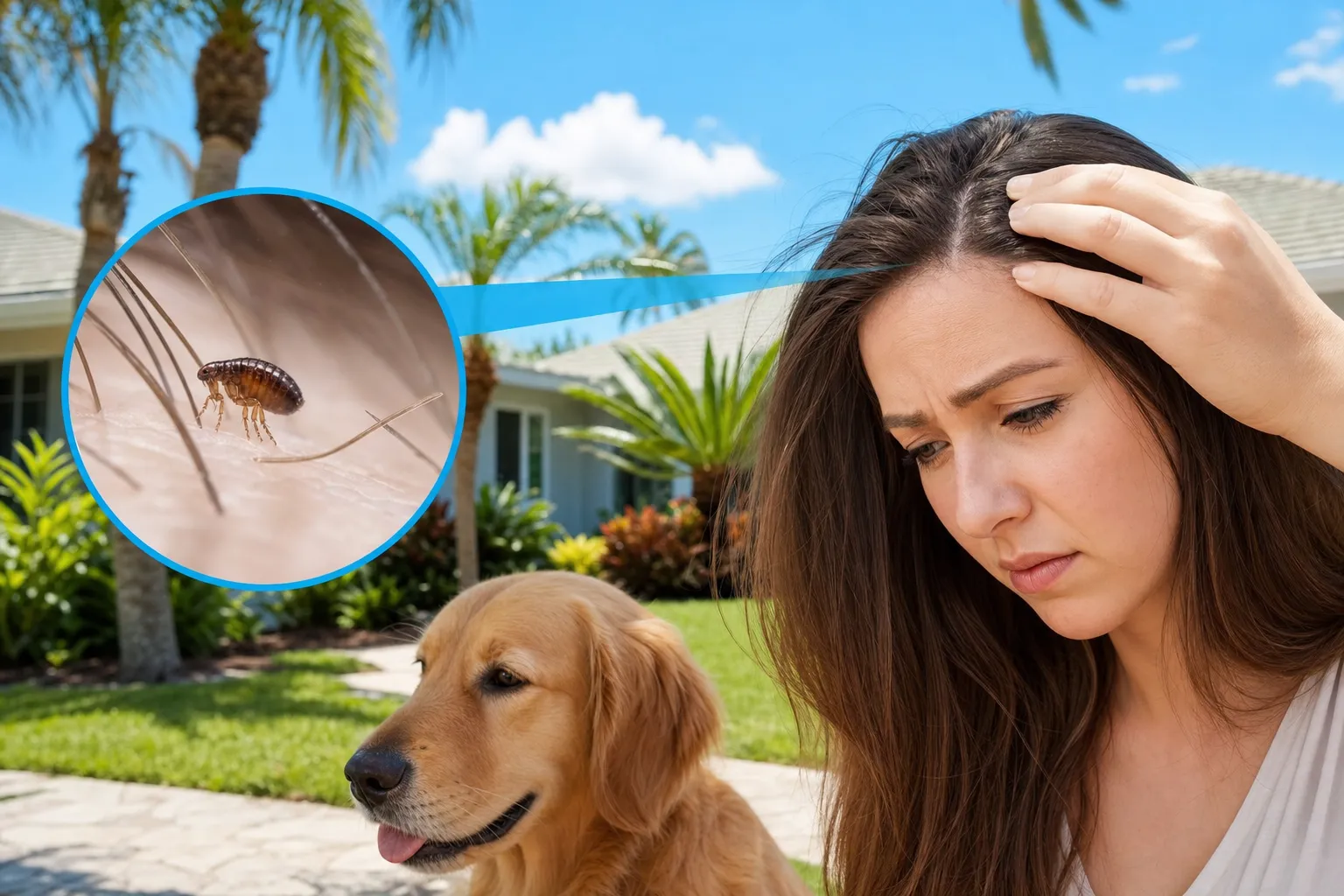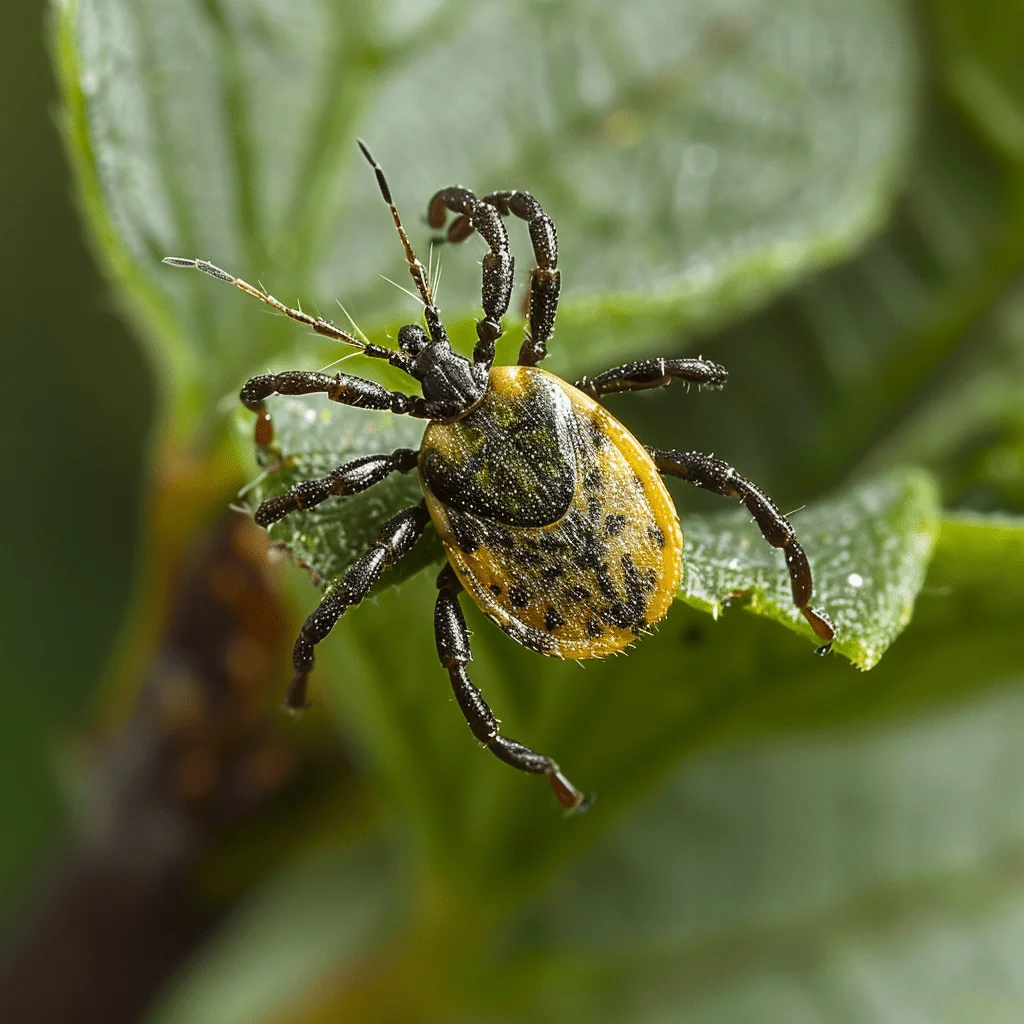
Short version? It depends on the tick and where it lands. An unfed tick might last a few days, or it might hang on for well over a year. Species, life stage, and humidity do most of the deciding, and here in Southwest Florida that last one carries a lot of weight. You found one crawling across the floor and you’re wondering if it’ll just starve out on its own. Fair question. The answer is a little annoying.
Ticks show up on the same yards we cover with our pest control services, so this question lands in our inbox a lot around Sarasota and the rest of the county. Before the biology, one quick thing: if you want a ballpark on what recurring coverage runs for your home, you can Get a Pest Control Estimate and skip the phone tag.
How long a tick lasts without a host
There’s no single number, which is why searching this gives you wildly different answers. Survival tracks with species and life stage more than anything else.
How long the immature stages hold on depends heavily on the species. For the brown dog tick, the one most likely to turn up indoors here, UF/IFAS reports that unfed larvae can survive roughly eight months and unfed nymphs roughly six months. American dog tick larvae and nymphs can go even longer. Once a tick reaches adulthood it gets stubborn, able to wait months and sometimes well past a year for a meal when conditions are right, going by UF/IFAS and CDC tick biology. Some hard-tick adults have gone two to three years between meals in study settings.
Species shifts the math too. Blacklegged ticks, the deer ticks people worry about for Lyme, need humid, sheltered spots to hold on. Lone star ticks favor brushy, wooded edges. You’ll turn up American dog ticks in grassy areas and along trails. The one that rewrites the whole indoor story is the brown dog tick, and it gets its own section below.
Why humidity decides everything in Southwest Florida
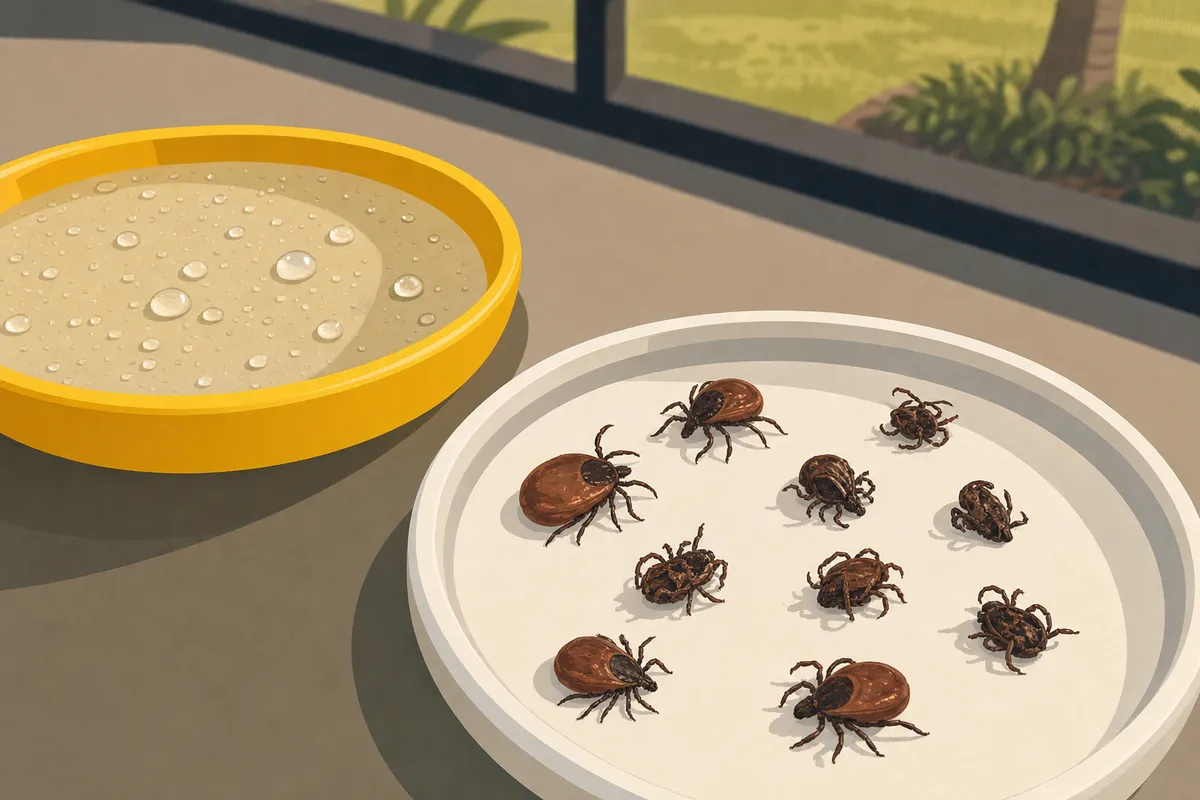
Ticks don’t drink water the way you do. They pull moisture straight out of the air, and when the air turns dry they lose water faster than they can claw it back. Below roughly 80% relative humidity, a lot of ticks dry out and die within days. That drying-out, called desiccation, is the main way ticks die in the wild.
This is where our climate cuts both ways. Afternoon storms and thick summer humidity hand ticks the moisture they love, whether you’re in Sarasota, Venice, or out toward Bradenton, and they settle into shaded St. Augustine turf, under mulch, and along the damp seam where your lawn meets a fence row or wood line. Open sandy soil in full sun dries fast and bakes them. The shady, moist pockets stay hospitable. Inside a climate-controlled house the air usually runs dry, so most ticks that ride in on a pant leg or the dog give out within a few days to a week.
Seasonal pressure
Tick pressure through the SWFL year
- Spring Mar–MayBuilding
Warming, humid days let ticks stay active along shaded yard edges and wood lines.
- Summer Jun–SepPeak
Thick humidity and afternoon storms keep the shaded, moist pockets ticks favor hospitable.
- Fall Oct–NovActive
Warmth and moisture linger, so ticks keep questing in sheltered vegetation.
- Winter Dec–FebLower (not zero)
Cool stretches slow ticks down, but our mild, humid winters rarely knock activity out entirely.
Summer runs hottest. Tick pressure across the year in Southwest Florida, driven by humidity rather than standing water.
The brown dog tick, the one that breaks the rules
The brown dog tick is the one that can set up shop inside your house. Per UF/IFAS, it can complete its entire life cycle indoors, going from egg to egg-laying female in a little over two months when hosts and conditions allow. It’s also the most widespread tick species in the world, and it’s the one most likely to turn a stray tick into a real infestation.
An indoor brown dog tick problem tends to start small. A dog picks up a few at a kennel, a groomer, or another infested home, carries them back, and the early stages slip by unnoticed. What finally gets your attention is ticks crawling up walls or along curtains, which is the tell that they’re breeding somewhere in the house instead of just hitching a ride. Favorite hiding spots are cracks, the backs of baseboards, carpet, and pet bedding.
Here’s the identification catch. The larvae, nymphs, and adults look so different in size that people often think they’ve got several kinds of ticks when it’s one species at different stages. Pinning down whether you’re dealing with brown dog ticks changes the entire plan, so ID comes before any treatment.
On every inspection
Signs a brown dog tick has moved in
- Ticks climbing walls or curtains Upward crawling usually means they are breeding inside, not just passing through.
- Clusters near where the dog sleeps Check baseboards, cracks, and pet bedding first.
- Several sizes at once Tiny larvae, mid-size nymphs, and larger adults are one species at different stages.
- Ticks back a few days after cleaning Reappearance points to an established source rather than a one-off hitchhiker.
Based on UF/IFAS brown dog tick guidance.
What to do about ticks in your yard and home
If ticks keep turning up on you or the dog after time outside, they’re most likely coming from the shady edges of the yard or riding in on a pet. Repeat sightings on interior walls point you toward brown dog ticks. Either way, a handful of safe steps help.
Out in the yard:
- Keep the grass cut and clear leaf litter, brush, and yard debris from the shaded spots where ticks wait out the heat.
- Run a gravel or wood-chip strip between the lawn and any wood line or fence row. A dry border like that makes the transition zone less inviting, since ticks avoid open, sun-baked ground.
- Talk to your vet about tick prevention for the dog. Pets are the number-one way ticks catch a ride indoors.
On you and the family:
- After yard work or a hike, check clothing, gear, skin, and the dog. CDC recommends a look-over any time you’ve been in tick habitat.
- Use an EPA-registered repellent on exposed skin and follow the label; DEET and picaridin are common options. For clothing and gear, use a repellent labeled for fabric rather than skin, and read that label too.
- Found ticks on your clothes? They can cling for a couple of days. A high-heat dryer cycle kills them. A normal wash sometimes doesn’t, so tumble the load on high heat.
Pro tip: Throw your outdoor clothes into a hot dryer for ten minutes before you even wash them. CDC’s ten-minute high-heat window is for clothes that are already dry; if the garments are damp or sweaty from outdoor work, they’ll need extra time, so run the cycle longer until everything is fully dry. Ticks can shrug off a lukewarm wash cycle, but high, dry heat finishes them. It’s the cheapest tick control you’ll ever run.
A couple of things not to do. Don’t grab a can of household bug spray and fog random indoor surfaces; if brown dog ticks are breeding inside, blind spraying without finding the harborage usually misses the source, and one vacuum pass won’t clear an established population. And skip the folk remedies until you know what you’re dealing with, because the right approach depends on the species.
When it’s time to call a pro: repeat ticks indoors, ticks on walls or curtains, or a suspected brown dog tick infestation all point past a DIY afternoon. Same goes if you’re finding them on pets and around the property at the same time.
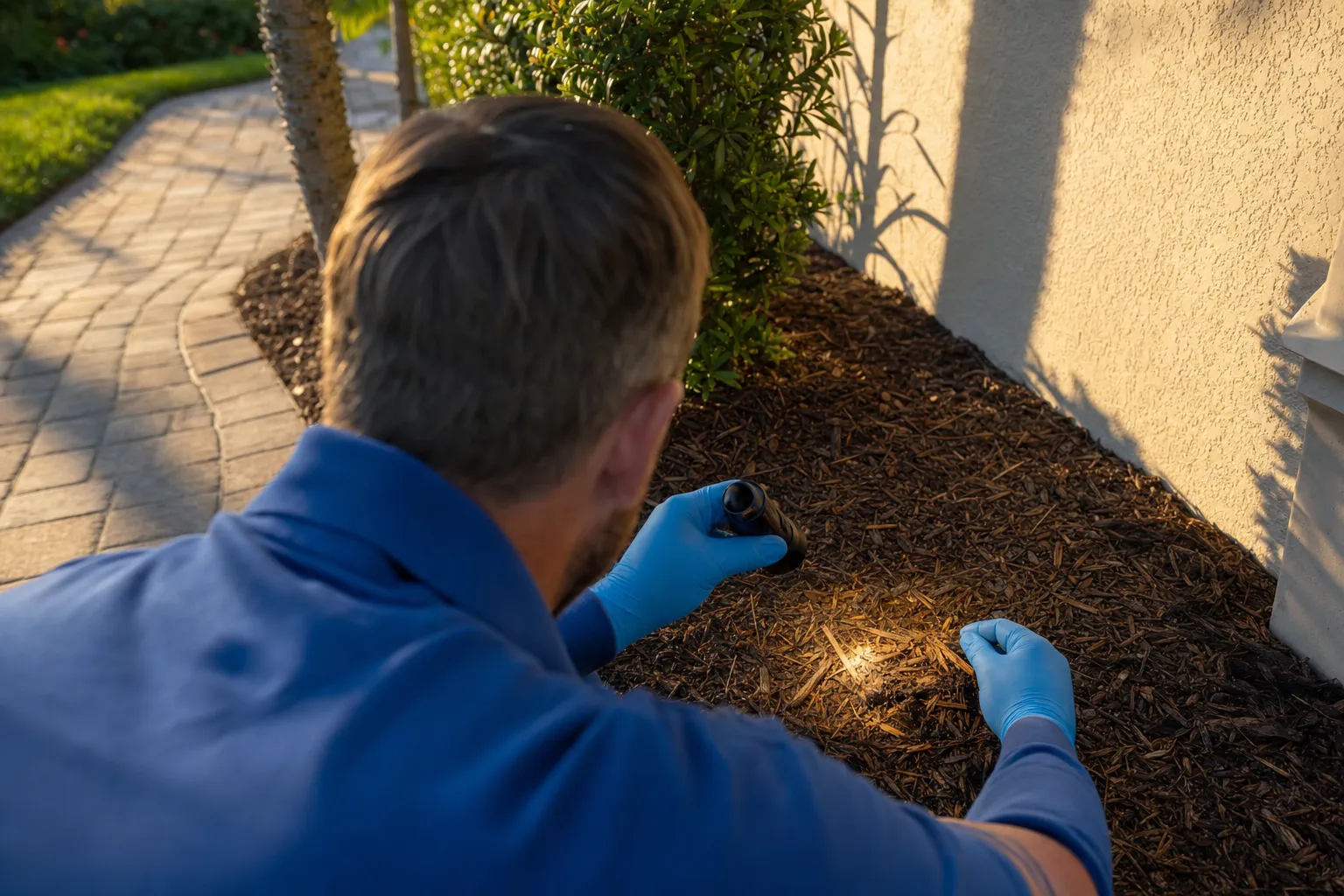
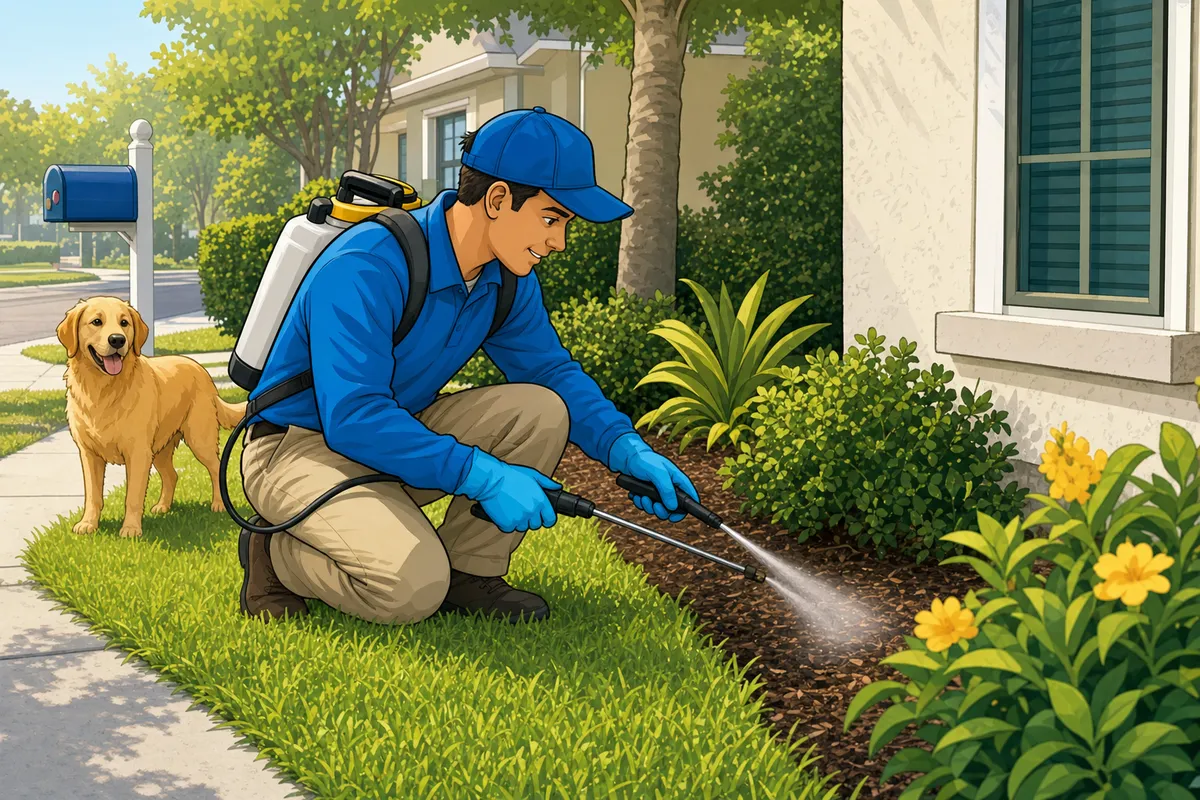
When Waves gets a tick call, we inspect where ticks and their hosts spend time, then focus on the shaded vegetation, property edges, and pet zones that keep them going. Indoors, confirming the species drives the whole plan. You can read up on the pests we see around here in our pest library while you wait on an inspection.
Because ticks lean on warm, humid conditions for a big chunk of the year here, plenty of homeowners go with recurring coverage instead of one-and-done visits. Our recurring pest, lawn, mosquito, and tree & shrub plans through WaveGuard membership include unlimited callbacks between scheduled visits at no extra charge, so if covered pests show back up between services, we come back out free. Recurring service won’t promise a tick never wanders onto your property, though it does keep pressure down and chip away at the yard conditions ticks need to settle in.
Frequently Asked Questions
How long can a tick live in my house?
In dry, air-conditioned air, most ticks give out within a few days to about a week because they can’t hold moisture. The exception is the brown dog tick, which can survive for months indoors and breed in cracks, carpet, and pet bedding. A single tick on the floor usually isn’t a long-term houseguest. Repeat sightings earn a closer look.
How long can a tick live on my clothes?
Usually a couple of days, and at least 24 hours. Ticks tuck into the folds of collars and cuffs, so check those spots first. A high-heat dryer cycle is the reliable way to kill any hiding in the laundry, since a wash alone doesn’t always do it.
Do ticks die off in winter around here?
Rarely. Southwest Florida stays warm and humid enough to support tick activity through much of the year. A cool stretch can slow ticks down and send them into shelter, but a quiet tick isn’t a dead one, so it pays to stay consistent with pet prevention and yard upkeep in every season.
Getting eyes on it early
A tick’s clock without a host runs anywhere from a few days to more than a year, and humidity is the dial that sets it. Most strays that come inside dry out fast. The brown dog tick is the one worth taking seriously, since it can move in and multiply behind your baseboards. If you’re spotting ticks indoors or the dog keeps hauling them home, get ahead of it. Take a look at what comes with Waves pest control services and get an inspection on the calendar before a few ticks become a household of them.