If a cloud of small flies has taken over your porch light, lanai screen, or the wall by your garage, and you live near a lake, retention pond, or canal, you’re probably dealing with an insect that came out of the water. It may be a mayfly. Just as often, it’s a different non-biting fly that looks a lot like a mosquito. Neither one bites: UF/IFAS says these midges don’t bite or transmit disease, and adult mayflies can’t feed. They’re mostly a nuisance, though heavy swarms can leave slick piles of bodies and can bother people with allergies (more on that below). The biggest lever you have is your outdoor lighting.
Here’s what University of Florida researchers say about mayflies, how to tell them from “blind mosquitoes,” and what actually lowers the nuisance around a Southwest Florida home.
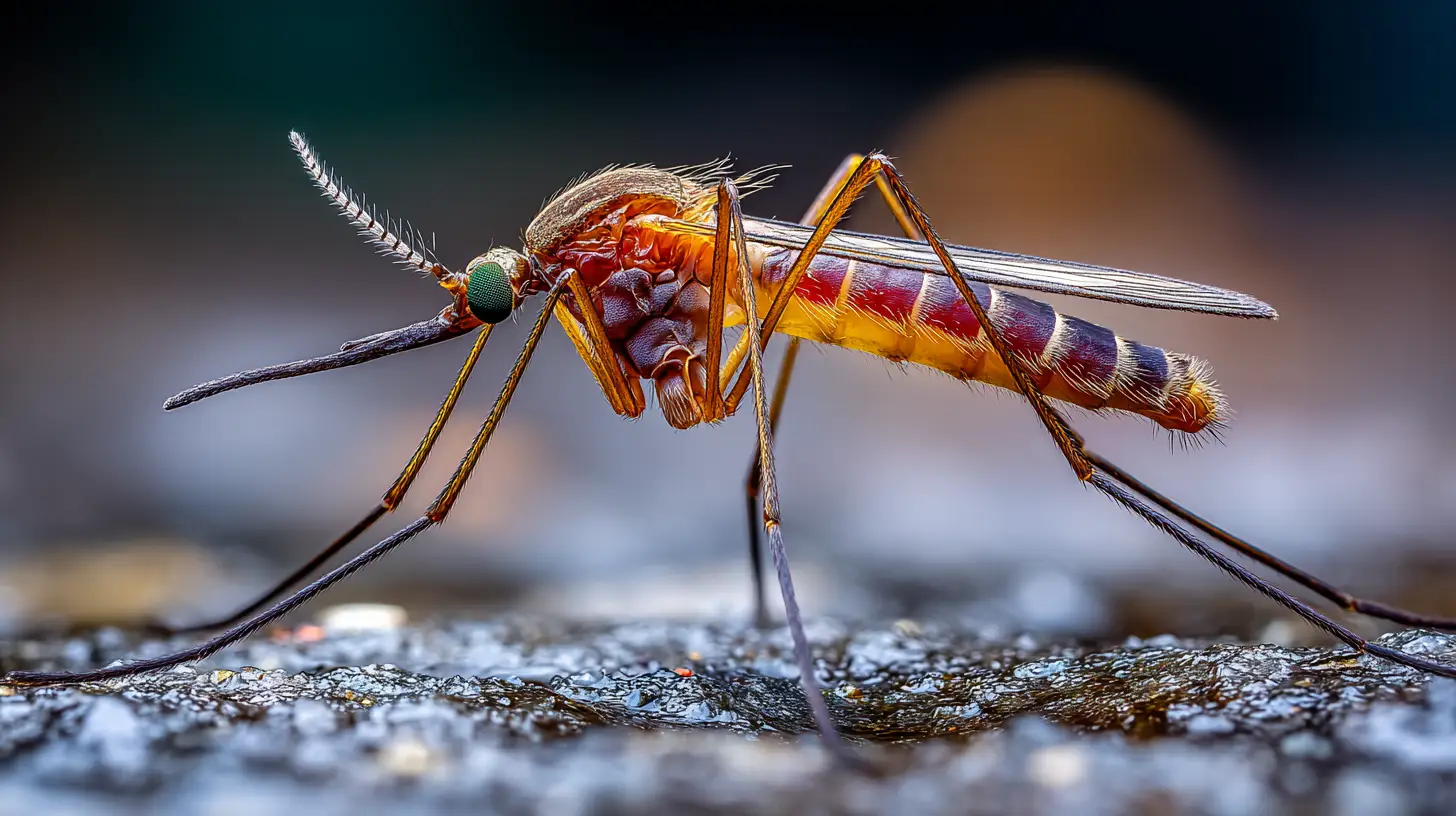
What mayflies are, and what they do
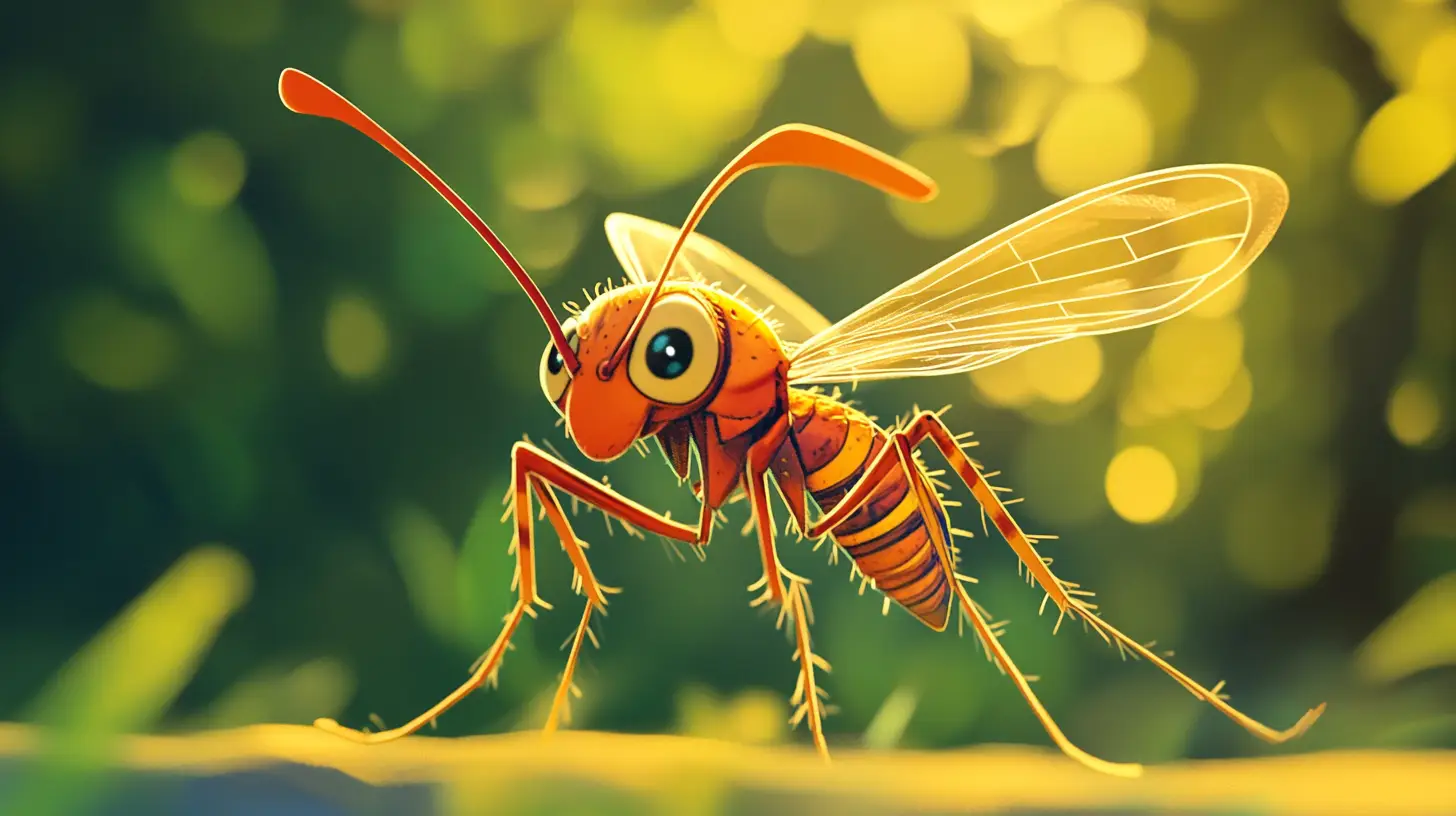
Mayflies live in the water until they grow up. According to UF/IFAS, the giant burrowing mayfly (a species found across the U.S., Florida included) lives in lakes and the slower stretches of streams. Its adults live “no more than two days” and can’t feed, because their mouthparts are too reduced to use (UF/IFAS). That’s why they’re not biting insects: the adults spend their short life mating, not eating.
The same UF/IFAS sheet describes how they show up. They emerge in a rush, and at sunset large groups of freshly hatched adults meet in the air and mate. “Massive adult numbers” are drawn to lights near waterways. After the swarm, you may find dead mayflies on walls, screens, and the ground, and UF/IFAS notes that very large emergences can leave piles of dead insects that smell as they decay.
UF/IFAS also notes that mayflies as a group don’t tolerate poor water quality, which is why scientists use them to monitor water health. A mayfly emergence isn’t a sign something is wrong with your property.
One caution: that UF/IFAS sheet covers one species. Florida has other mayflies, and no UF/IFAS source we found names which species or months cause the most nuisance in Manatee, Sarasota, or Charlotte County. So this post sticks to what’s documented instead of guessing at a calendar.
Mayflies or blind mosquitoes?
This is the mix-up that matters most near Southwest Florida’s retention ponds and lakes. “Blind mosquitoes” are aquatic midges, a separate group of flies. UF/IFAS describes adult midges as “the size and shape of medium to large mosquitoes” (UF/IFAS News). They come from the muck at the bottom of lakes and ponds, and UF/IFAS Extension says they’re attracted to the lights around houses and businesses at night (UF/IFAS Extension Polk County).
On lakefront and retention-pond homes, the clouds of small flies at dusk are often one of these two, non-biting aquatic midges or mayflies, though only a closer look at the insect confirms which.
A few clues to sort out what you have, though none is a sure test:
- Wings and tails. The UF/IFAS description of the giant burrowing mayfly says its adults hold their wings pressed together above the body at rest, with two long tail filaments. Midges are mosquito-shaped.
- Biting. Adult chironomid midges “do not bite or transmit disease,” and mayfly adults can’t feed. If you’re getting bitten, it’s something else.
- Timing. UF/IFAS Extension says midge numbers are highest from April to November, and a UF/IFAS expert adds that on the subtropical Florida peninsula “a progression of species can emerge year-round.”
If you can’t tell, catch a few in a jar and take them to your county UF/IFAS Extension office, or ask a pest professional to look. For the midge side of the story, see our guide to aquatic midge flies in Sarasota.
If you’re getting bitten, it isn’t a mayfly or a blind mosquito
Tiny biting flies called no-see-ums (biting midges) breed in moist soil, mangrove edges, and pond margins, and they bite hardest at dawn and dusk. They can pass through standard window screening. Our biting midges guide covers them, and our mosquito guide covers true mosquitoes.
What lowers the nuisance
The honest answer from UF/IFAS is that these insects can’t be fully controlled. For midges, UF/IFAS Extension says it’s “impossible to completely control” them and that partial control is often too expensive or complicated to be practical. Lighting is the part of the problem you control directly.
Change your lighting first
UF/IFAS Extension in Sarasota County says “turning the light off during the night is the best option although not always feasible,” and that decreasing or changing the type of artificial lighting is a simple way to decrease the number of insects (UF/IFAS Extension Sarasota County). Some specifics from that article:
- Insects see roughly 300 to 650 nanometers, including ultraviolet, and prefer the 300 to 420 range.
- “Bug lights” are yellow or yellow-coated LED bulbs with a peak wavelength of 550 to 600 nm, and they’re effective at decreasing unwanted insects.
- UF/IFAS recommends LED bulbs labeled “warm white” or “ultra warm white” (above 550 nm, color temperature under 3,600 K).
Beyond the bulb, shielding or reducing outdoor lights helps more than routine spraying, and lights you don’t need can simply stay off. This lowers how many insects gather at your doors and screens. It won’t stop a big emergence from happening.
Keep the swarm away from where you sit
UF/IFAS Extension in Charlotte County notes that “light traps have also been suggested to divert midges from homes and reduce numbers” (UF/IFAS Extension Charlotte County). That advice is for midges, and none of the UF/IFAS pages cited here recommend it for mayflies.
Clean up afterward
Spent bodies and shed skins can pile up on walls, screens, and patios. Sweep or rinse them off. UF/IFAS notes that the bodies of midges from big emergences “have caused sidewalks and roads to become slick and cause falls or vehicle accidents” (UF/IFAS News), so take care on walkways and driveways under thick layers.
Water-side steps for midges
These steps are for private or man-made ponds. On a natural freshwater lake, UF/IFAS says residents may not use any chemical treatment without an approved permit from the Florida Fish and Wildlife Conservation Commission (UF/IFAS Extension Polk County). For man-made ponds, UF/IFAS Extension in Charlotte County lists steps for owners dealing with midges: keep a fertilizer-free buffer around the pond, keep grass clippings out of the water, add six-foot buffers of suitable plants, introduce insect-eating fish, and use insect growth regulators applied by certified professionals (UF/IFAS Extension Charlotte County). If your pond is managed by an HOA or community association, let them know so they can look at pond-side options.
Why spraying your house doesn’t solve it
Midges and mayflies are aquatic insects, so routine perimeter spray doesn’t address where they come from. UF/IFAS says midge larvae live in the organic muck at the bottom of the lake, which makes them very hard to control, so set your expectations accordingly. If you use any insecticide product on the exterior of your home, follow the label exactly. If you’d like a professional to look at what’s landing on your walls and lights, start with our pest control in Lakewood Ranch page.
What about health?
Mayflies and adult midges don’t bite. UF/IFAS notes, though, that during big midge emergences some people with arthropod allergies get mild reactions such as red, itchy eyes and a runny nose from the scales and hairs the insects shed (UF/IFAS News). If symptoms bother you or don’t clear up, see a doctor. If anyone has trouble breathing, swelling of the face or throat, or fainting, get emergency care right away.
Frequently Asked Questions
Do mayflies bite?
No. UF/IFAS says adults of the giant burrowing mayfly can’t feed, and adult midges, the other common look-alike near Florida lakes, don’t bite either. If something is biting you at dusk, it’s more likely a mosquito or a biting midge (no-see-um).
Why are mayflies swarming my lights?
UF/IFAS says massive numbers of adults are drawn to lights near waterways. UF/IFAS Extension says insects see ultraviolet light and prefer short wavelengths, from 300 to 420 nanometers, which is why warm, yellow bulbs draw fewer of them.
How long do mayflies live?
UF/IFAS says the giant burrowing mayfly adult lives no more than two days. Other mayfly species may differ, so treat that as the documented example.
Are mayflies the same as blind mosquitoes?
No. Blind mosquitoes are aquatic midges, a different group of flies that look like mosquitoes but don’t bite. Both come from lakes and ponds and both are drawn to lights, so they’re easy to confuse. If you can’t tell, have a county Extension office or a pest professional identify a sample.
Will switching to yellow bulbs get rid of them?
It lowers the number gathering at your doors and screens, according to UF/IFAS, but it won’t stop an emergence. Turning off unneeded lights and shielding the rest helps too.
Can a pest company stop mayflies from swarming?
Not completely. These are aquatic insects that come from the pond, so the water is the source. UF/IFAS says complete control of midges is impractical, and the lasting steps are the lighting changes above and, for midges, pond management.