Jump to a section (8)
- 01To get rid of wasps, start with the nest
- 02Paper wasp nests: often fine to leave, easy to remove when small
- 03Yellowjackets and hornets: not a DIY job
- 04Honey bees are a different job
- 05When wasp nests get big in Southwest Florida
- 06If you are stung
- 07What Waves Pest Control does
- 08Frequently Asked Questions
If there is a wasp nest on your Southwest Florida house, the first step to get rid of wasps is not a can of spray. It is finding out which nest it is. The right move changes with each kind: some nests are fine to leave alone, some are easy to knock down while small, and one kind should not be a do-it-yourself job.
This guide covers what to do. For help telling the wasps apart, use our Florida wasp identification guide and our field guide to stinging wasps in Southwest Florida.
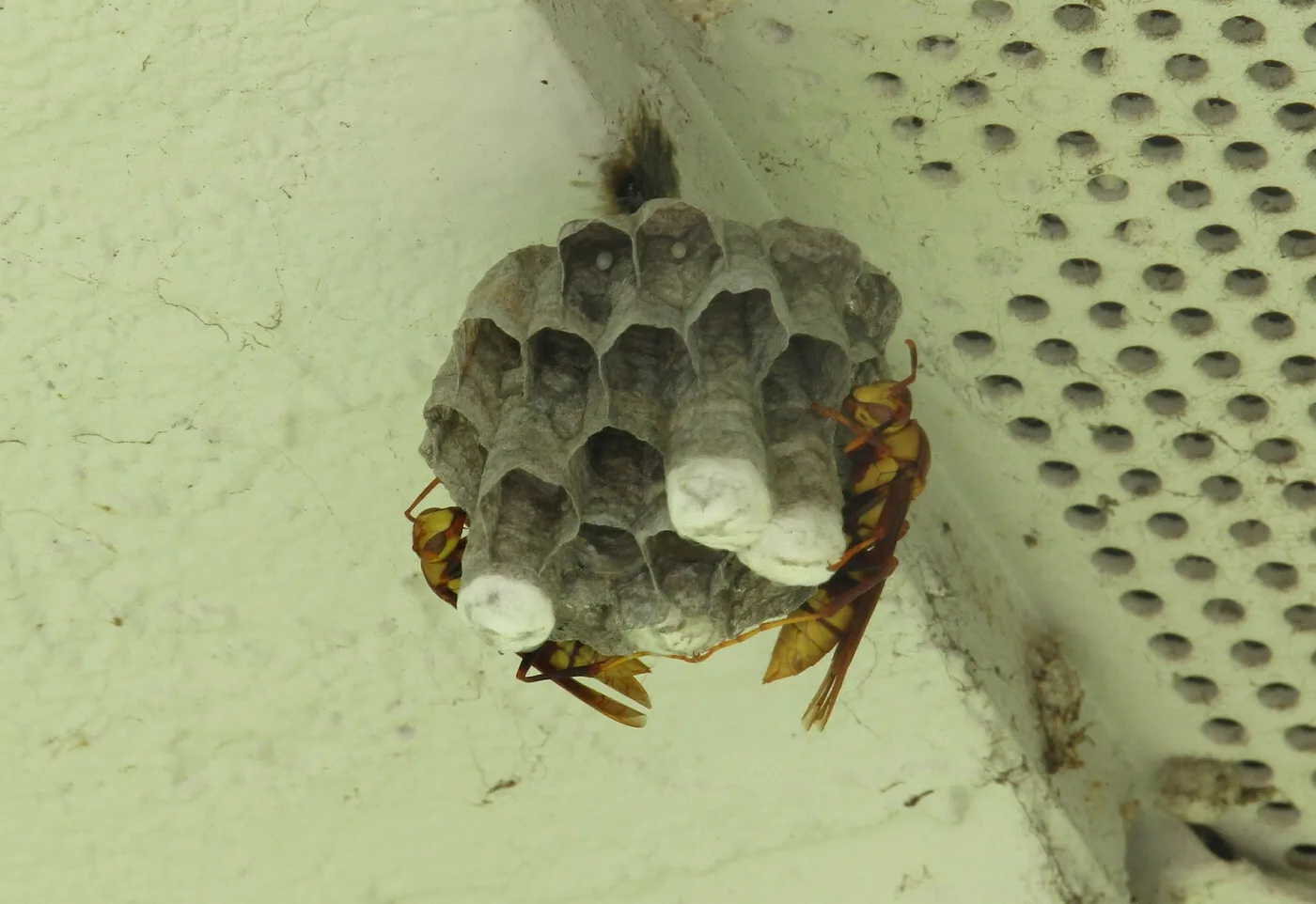
To get rid of wasps, start with the nest
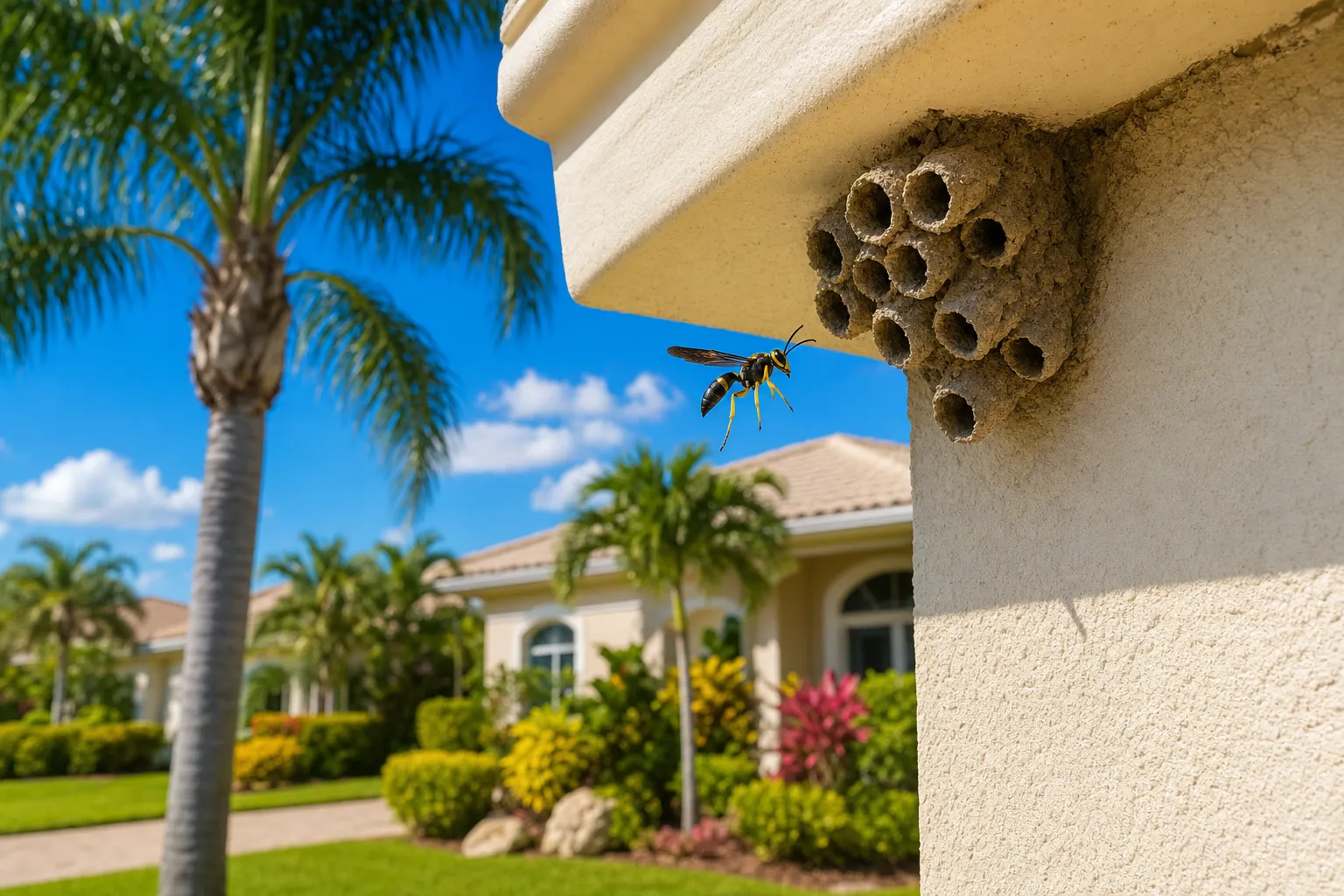
UF/IFAS sorts the stinging insects around Florida homes by the nest they build. In its guide to stinging insects, hornets and yellow jackets “build football-shaped, paperlike nests,” paper wasps “build paperlike nests that resemble a honeycomb,” and mud daubers build clay or mud-cell nests (UF/IFAS). The same guide says hornets, yellow jackets and paper wasps will sting, while mud daubers “usually are not as aggressive and will not sting unless touched or accidentally caught in clothing.”
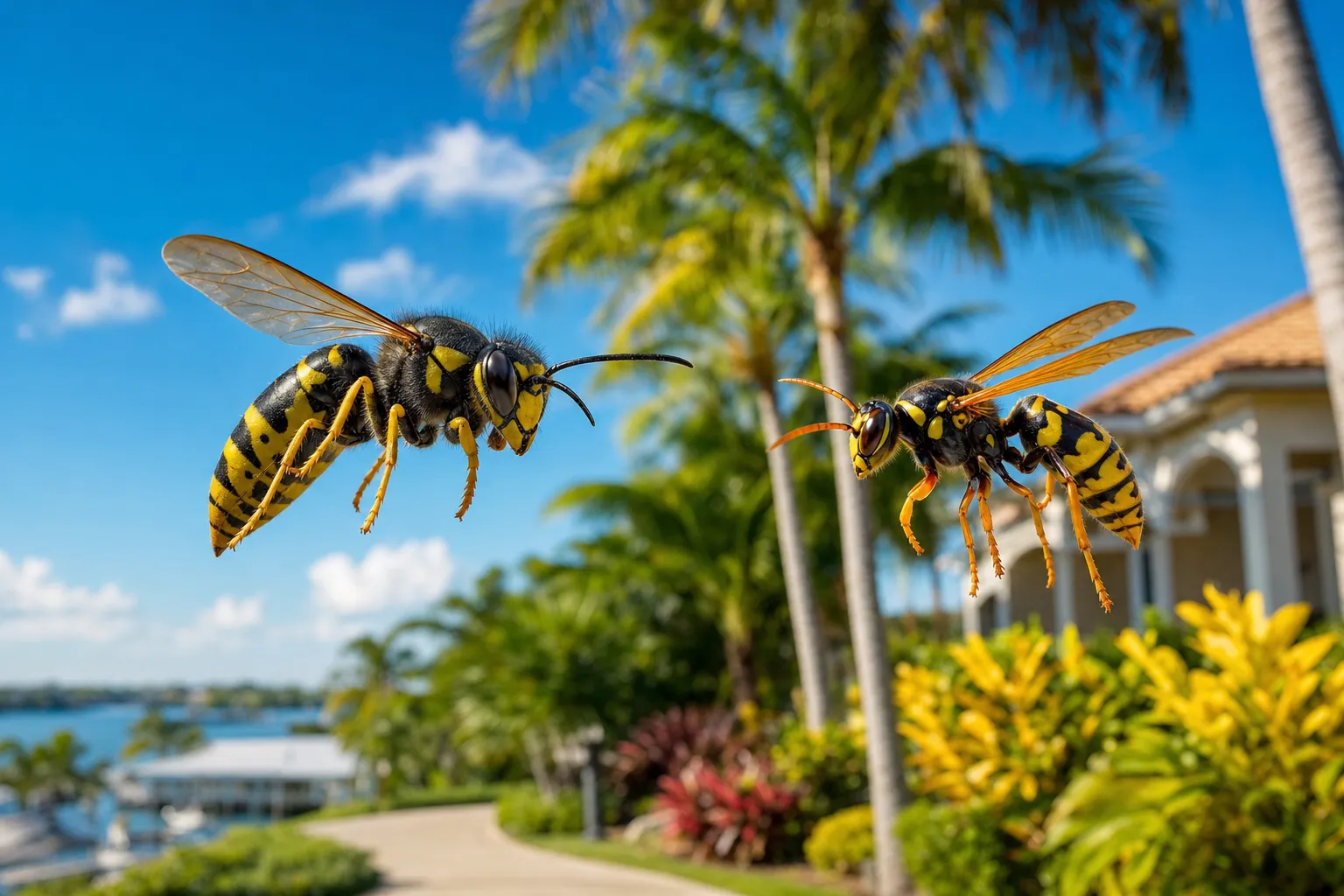
Yellowjackets are the exception to the “look up under the eave” rule. UF/IFAS says they typically nest underground, and the clue is wasps “flying low to the ground, with individuals going underground and coming up from below” (UF/IFAS Gardening Solutions).
If you cannot tell what you have, do not guess with a can of spray. UF/IFAS Extension in St. Lucie County puts it plainly: “Don’t spray or destroy a wasp nest simply because you are unsure what it is,” because Florida’s native paper wasps, yellowjackets, bald-faced hornets and cicada killers can control other insects or help pollinate (UF/IFAS Extension St. Lucie County). The same page says the yellow-legged hornet has not been detected in Florida, and asks anyone who thinks they have found one to report it to the state agriculture department instead of handling it.
Paper wasp nests: often fine to leave, easy to remove when small
Paper wasps are the umbrella-shaped combs under eaves, soffits, porch ceilings and lanai corners. UF/IFAS describes the Carolina paper wasp, a Florida species, as “not particularly aggressive” and says it “typically stings only when threatened.” It also preys on plant pests such as caterpillars (UF/IFAS).
That makes the nest’s location the practical test. A nest high in a back corner, away from doors and seating, is a different call than one over the front door or the lanai slider.
If a paper wasp nest has to go, UF/IFAS gives these points:
- Pick the evening. “It is easiest to do so in the evening when the wasps are inactive.”
- Cover up. People who regularly deal with wasps may wear long sleeves, pants, gloves and a beekeeping veil.
- Only a starter nest can be knocked down. UF/IFAS says that if the nest “is just starting with a single queen,” you can remove it or knock it down with a broom, and that “the queen will likely start a nest elsewhere.” A nest that already has several wasps on it is an active colony: use a product labeled for wasps, as the label directs, or call a professional.
- Aerosols exist. UF/IFAS notes that many commercial aerosol insecticides are made for hornets and wasps. Use any product only as its label directs.
UF/IFAS also says that in subtropical and tropical areas, paper wasp colonies “may produce many foundresses and maintain nests for multiple seasons.” In Southwest Florida, an ignored nest does not necessarily die back on its own. The broom advice fits only a starter nest with a single queen. It does not fit a nest that already has workers.
Yellowjackets and hornets: not a DIY job
UF/IFAS is cautious here, and the reasons are specific:
- They defend hard. When a yellowjacket is hurt it “often releases an ‘alarm pheromone’ which quickly results in an aggressive, defensive behavior” from the rest of the colony (UF/IFAS).
- They keep stinging. Unlike a honey bee, “vespid wasps may sting as often as they find a target.”
- Nests can be big. The largest documented nest in that fact sheet had more than 2,800 wasps.
- Quiet is not safe. UF/IFAS Gardening Solutions says that while nests are largely inactive at night, any disturbance brings “instant activity,” and it recommends hiring a professional (UF/IFAS Gardening Solutions).
The older UF/IFAS fact sheet says that if a homeowner attempts removal at all it should be done at night when activity is lowest, and that for large or inaccessible nests “the safest procedure would be to hire a pest control operator.” UF/IFAS Extension in Leon County adds that colonies near buildings or busy areas are worth handing to a professional (UF/IFAS Extension Leon County).
Until someone deals with it, keep people and pets away from the area. Do not mow, hose or poke near a suspected ground nest.
Honey bees are a different job
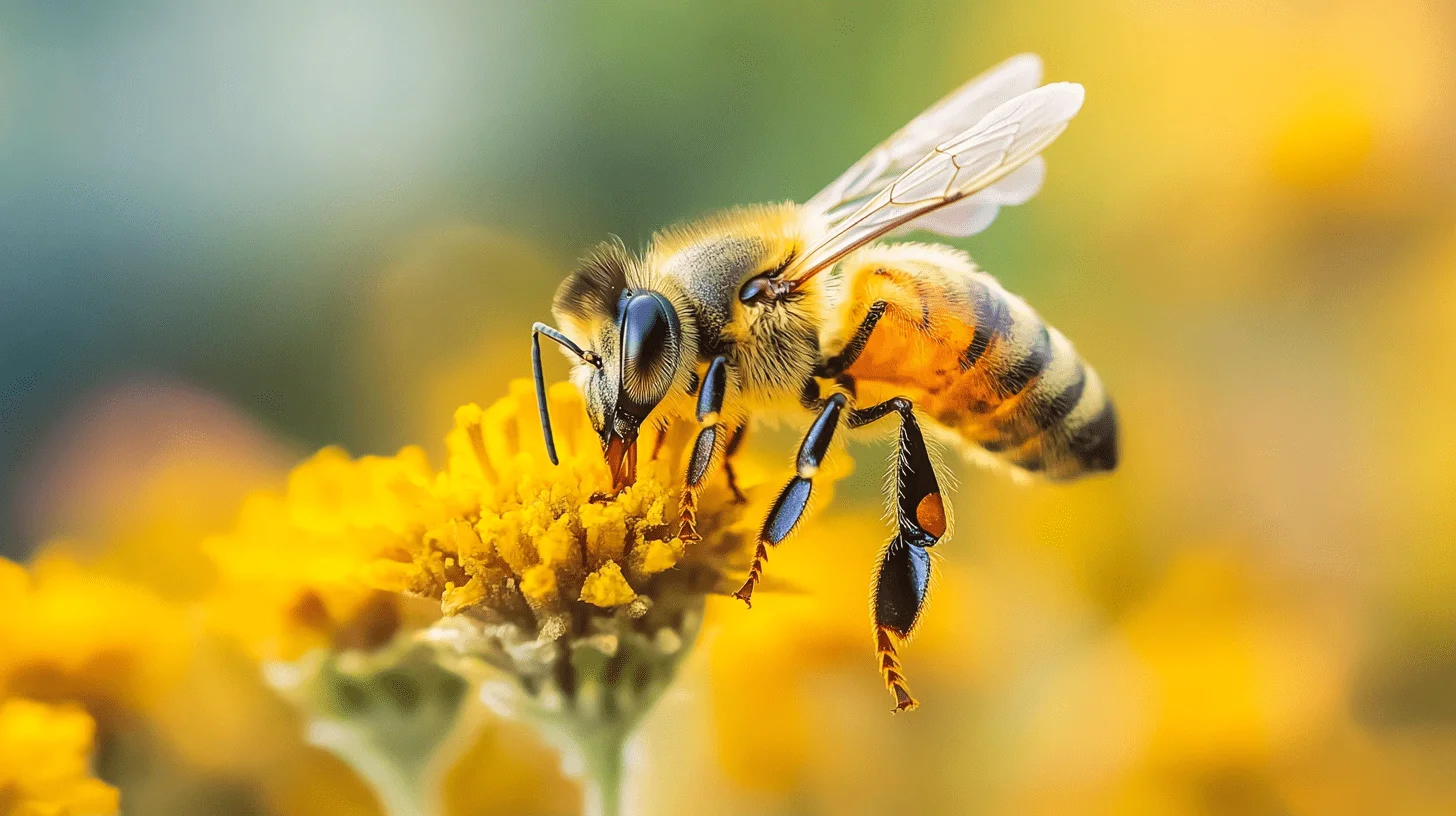
Wasps and honey bees get mixed up, and the rules differ. The Florida Department of Agriculture says live honey bee removal can be done by a registered beekeeper, while eradication of a colony can only be done by a licensed pest control company. It also says that without proper equipment and training you should never try to remove or eradicate a nuisance honey bee colony yourself (FDACS).
Waves Pest Control does honey bee eradication of nuisance colonies and swarms, plus comb removal and clean-out after the bees are dead. It does not do live removal or relocation. What can be done at a given property is decided on inspection, and colonies inside walls or roofs, or in high or hard-to-reach spots, may be referred to a specialist. Our honey bee versus yellow jacket guide helps with the first step of telling them apart.
When wasp nests get big in Southwest Florida
Wasp nest founding peaks in spring. Colonies then mature through the summer, and removal calls peak in late summer and fall. A small nest you noticed in April can be a very different job by October.
That is why regular checks matter. Look under eaves, soffits, porch and lanai ceilings, and around outdoor furniture and grills on a regular basis through spring and summer. UF/IFAS says paper wasp nests are usually attached to the protected underside of overhangs such as house eaves. Finding and removing a nest the size of a quarter beats facing a nest the size of a dinner plate. This lowers the odds of a big problem. It does not prevent wasps from building.
If you are stung
The CDC says that while most stings cause only mild discomfort, some can cause severe allergic reactions that need immediate medical care (CDC/NIOSH). For first aid, the CDC advises:
- Have someone stay with the person to watch for an allergic reaction.
- Wash the site with soap and water.
- If a stinger is in the skin, wipe gauze over it or scrape it with a fingernail. Never squeeze the stinger or use tweezers.
- Apply ice to reduce swelling.
- Do not scratch. Scratching can increase swelling, itching and the risk of infection.
Call 911 or get emergency care right away if you have trouble breathing, swelling of the throat or face, fainting, or chest pain after a sting.
See a doctor if swelling or pain keeps getting worse, if the sting site shows signs of infection, or if you have a history of allergies or asthma. UF/IFAS advises contacting a doctor right away in that last case (UF/IFAS).
What Waves Pest Control does
Waves Pest Control treats stinging wasp nests directly and removes them, with the approach set by the nest type and where it is. Paper wasp combs, mud tubes and a yellowjacket entrance in the ground or a wall are three different jobs. Your technician confirms what is needed once they see the nest. Our local pages cover wasp and hornet control in Bradenton and in Sarasota, plus pest control in Lakewood Ranch. For pricing, use the pest control calculator.
Header photo: paper wasps (Polistes major) on their comb in Martin County, Florida, by Zakqary Roy via iNaturalist, licensed CC BY 4.0, cropped.
Frequently Asked Questions
Do I have to get rid of a wasp nest?
Not always. UF/IFAS describes the Carolina paper wasp as not particularly aggressive and typically stinging only when threatened, so a paper wasp nest well away from doors may be left alone. A yellowjacket or hornet nest near your home is a different matter, and UF/IFAS recommends a professional.
What is the best time of day to remove a wasp nest?
UF/IFAS says evening, when wasps are inactive, and with clothing that covers your skin. That advice is for paper wasp nests, and UF/IFAS limits broom removal to a nest that is just starting with a single queen. It does not make a yellowjacket nest a safe DIY job.
Can I remove a yellowjacket nest myself?
UF/IFAS Gardening Solutions recommends hiring a professional, because any disturbance brings an instant, aggressive response from the colony. Ground nests are the hardest to spot until you are close to them.
Is every hornet I see a yellow-legged hornet?
No. UF/IFAS Extension says the yellow-legged hornet has not been detected in Florida. The bald-faced hornet, yellowjackets and paper wasps are native. Do not spray a nest only because you are unsure what it is.
What should I do if I get stung and feel unwell?
Call 911 or get emergency care right away if you have trouble breathing, swelling of the throat or face, fainting, or chest pain after a sting. For other symptoms, or if you have allergies or asthma, see a doctor.