Brown patches in a Bradenton lawn do not automatically mean chinch bugs. Confirm insects and compare the damaged area with irrigation and disease clues before selecting a treatment. A lawn photograph is a useful starting record, not a complete diagnosis.
Which clues are worth checking?
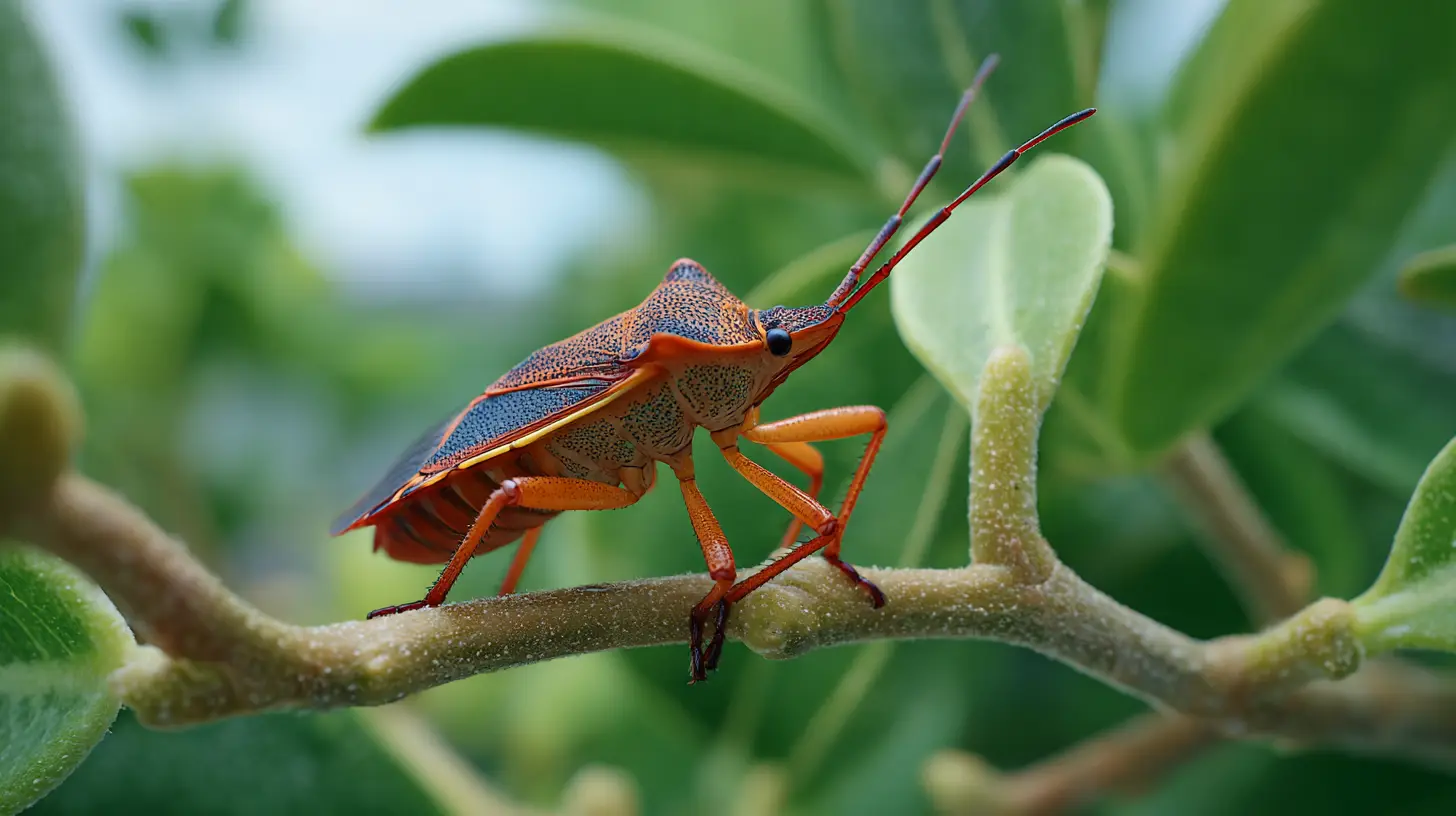
UF/IFAS identifies the southern chinch bug as an important pest of St. Augustinegrass. Damage often begins in sunny areas and can resemble drought stress. Small bugs near the edge of affected turf can provide evidence, but the pattern needs to be considered alongside lawn conditions. UF/IFAS southern chinch bug management
Compare visible insects with the southern chinch bug profile. Record uncertainty when the photograph is unclear; do not label every insect in damaged grass as the cause.
What should you record before a lawn assessment?
Use the lawn observation worksheet to note when the patch appeared, its location, grass type if known, and recent watering or maintenance changes. Take one overview and a close-up at the boundary between affected and healthy grass.
Repeat photos from the same position. A sequence showing the change is more useful than separate pictures taken from unrelated angles.
What else could explain the damage?
Check for irrigation coverage differences, standing water, shade changes, and recent applications. If there are expanding rings or changes at the base of the leaf, compare the large patch guide as another possibility. Neither a ring shape nor a dry location confirms a cause by itself.
Bring product names and application dates to the assessment. Avoid stacking additional treatments while the cause remains uncertain; ask which finding the proposed treatment is intended to address.
Give each observation a location
| Record | Useful comparison |
|---|---|
| Overview photo | Where the affected area sits within the lawn |
| Close-up at the boundary | What the affected and adjacent grass look like on the same date |
| Irrigation notes | Whether the pattern follows a zone, missed area, or overlap |
| Visible insect photo | Whether identification can be checked separately from the patch shape |
| Repeat photograph | Whether the boundary changed between dated observations |
For example, a patch beside a driveway and a separate patch in a shaded corner should each have their own location note. Do not assume that both have the same cause simply because they are brown. Ask the assessor to explain which observations support one explanation and which may need a different check.
Common questions
When should a professional assess it?
An assessment is useful when the area keeps expanding, insect identification is uncertain, or previous work has not explained the damage. Ask what evidence separates insects, disease, and water stress, and whether a sample would help.
Explore lawn assessment options after collecting those observations. Ask how the recommended work fits your grass and site conditions, what maintenance responsibilities apply, and which changes should be monitored afterward.
Does treating insects immediately restore brown grass?
Pest activity and lawn recovery are different things to evaluate. Ask the technician what can be concluded about the cause and what follow-up observations are needed before making promises about appearance or recovery.